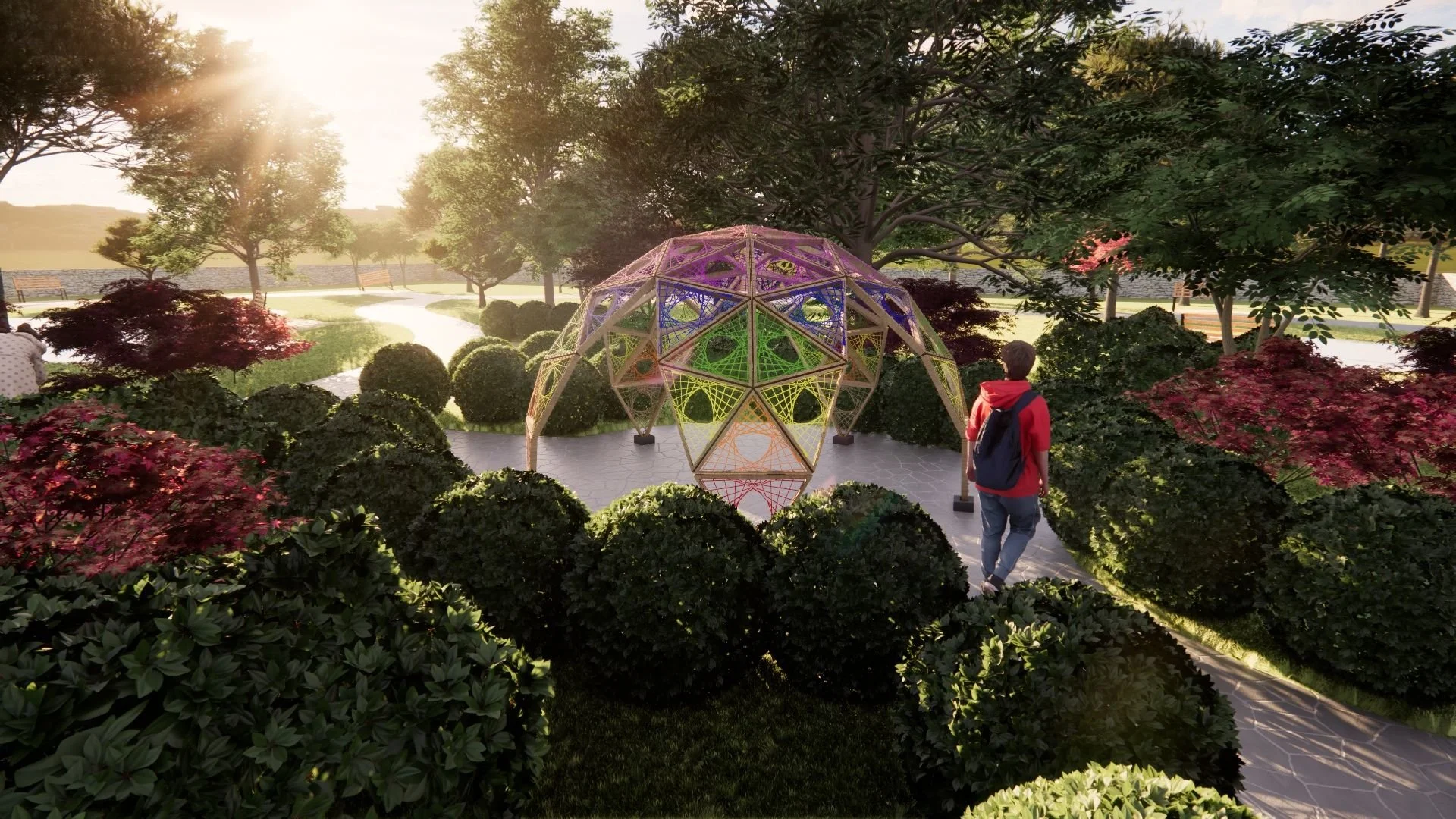
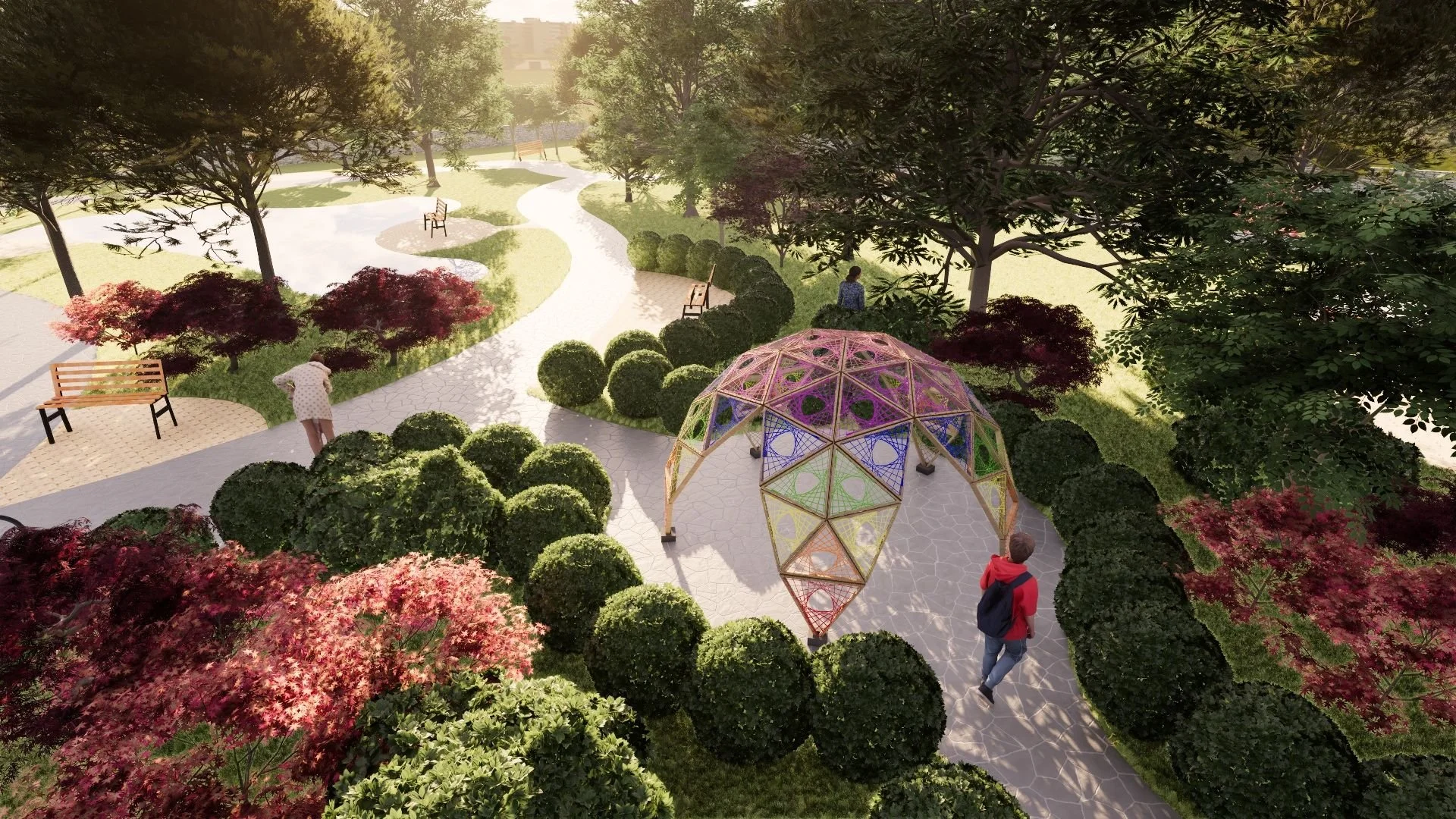
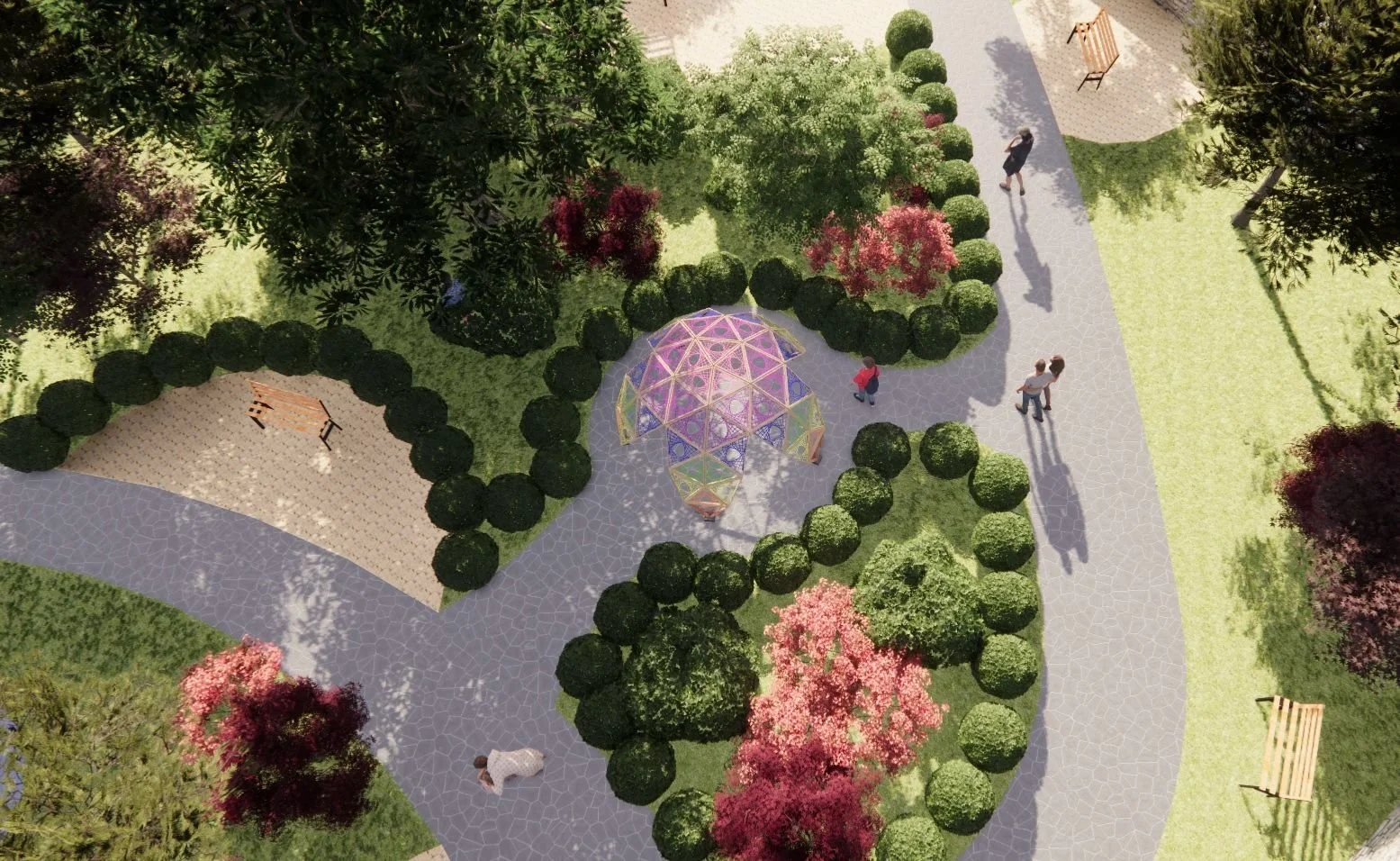
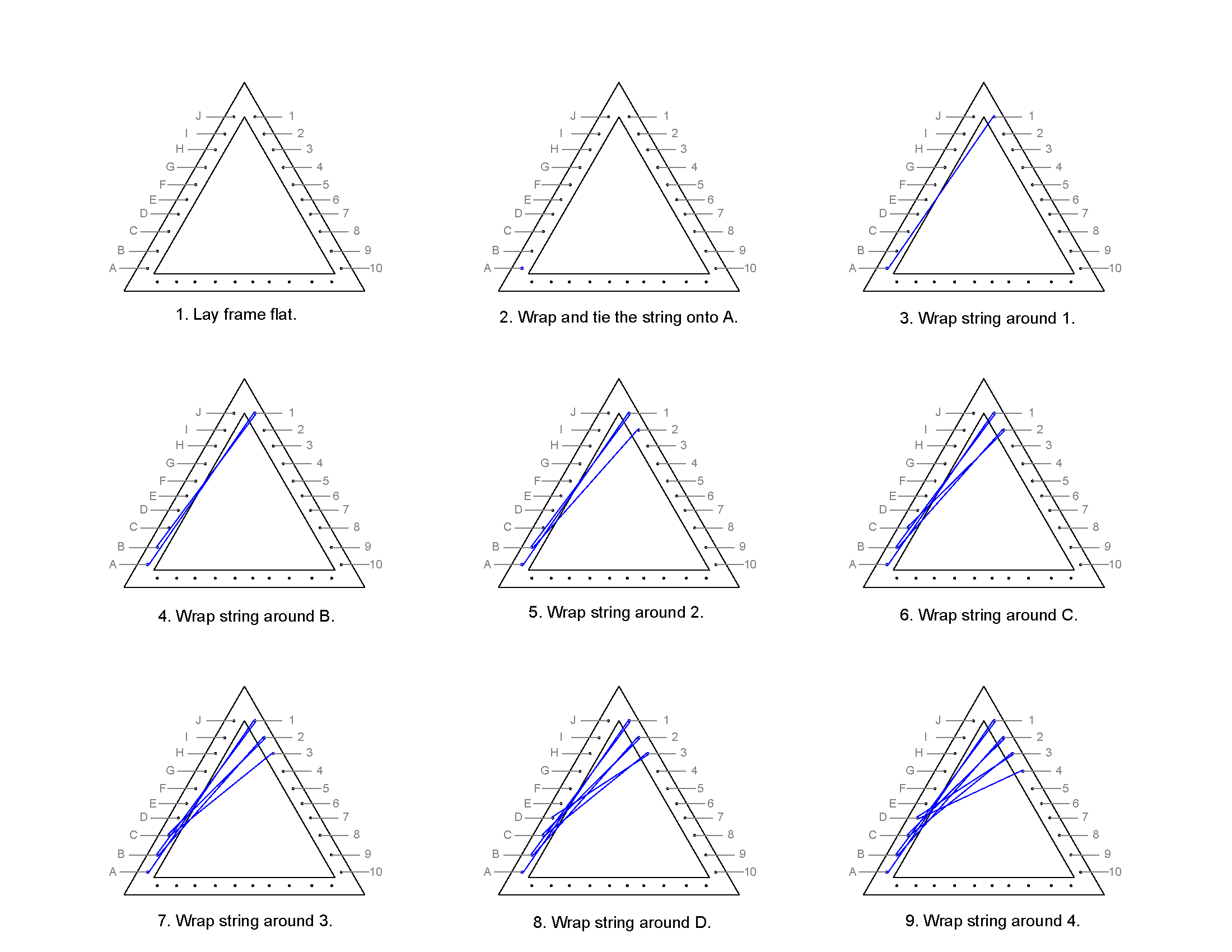
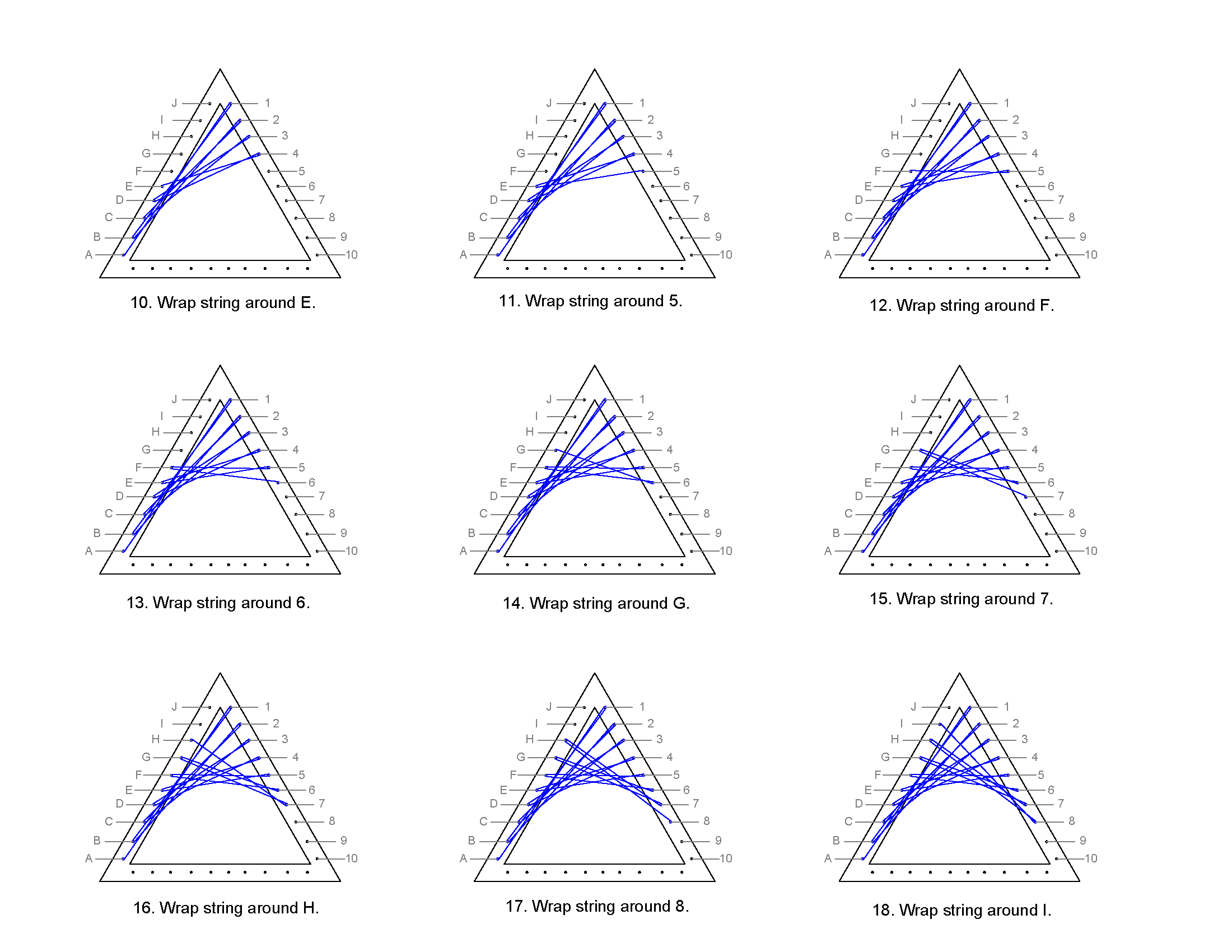
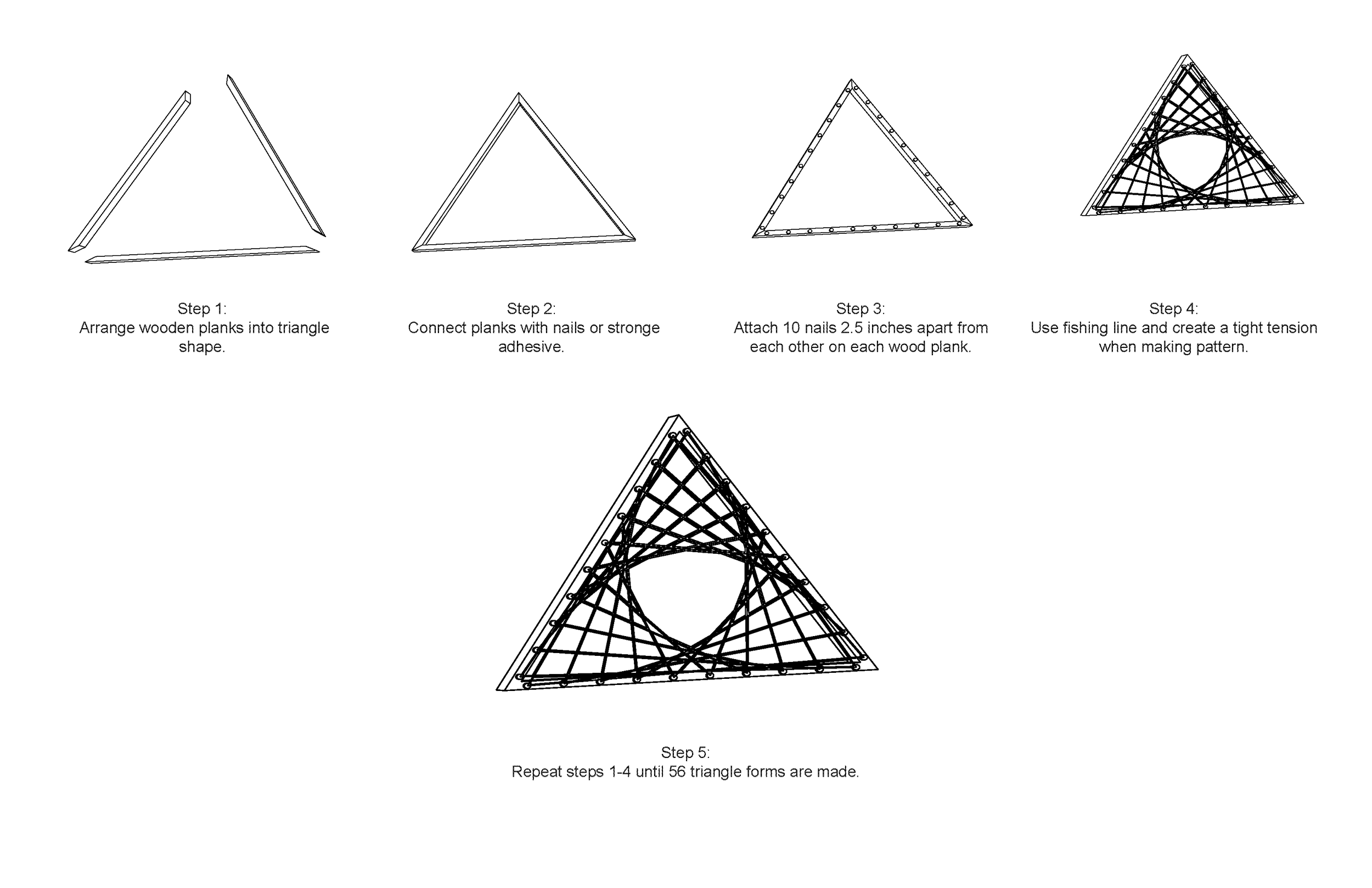
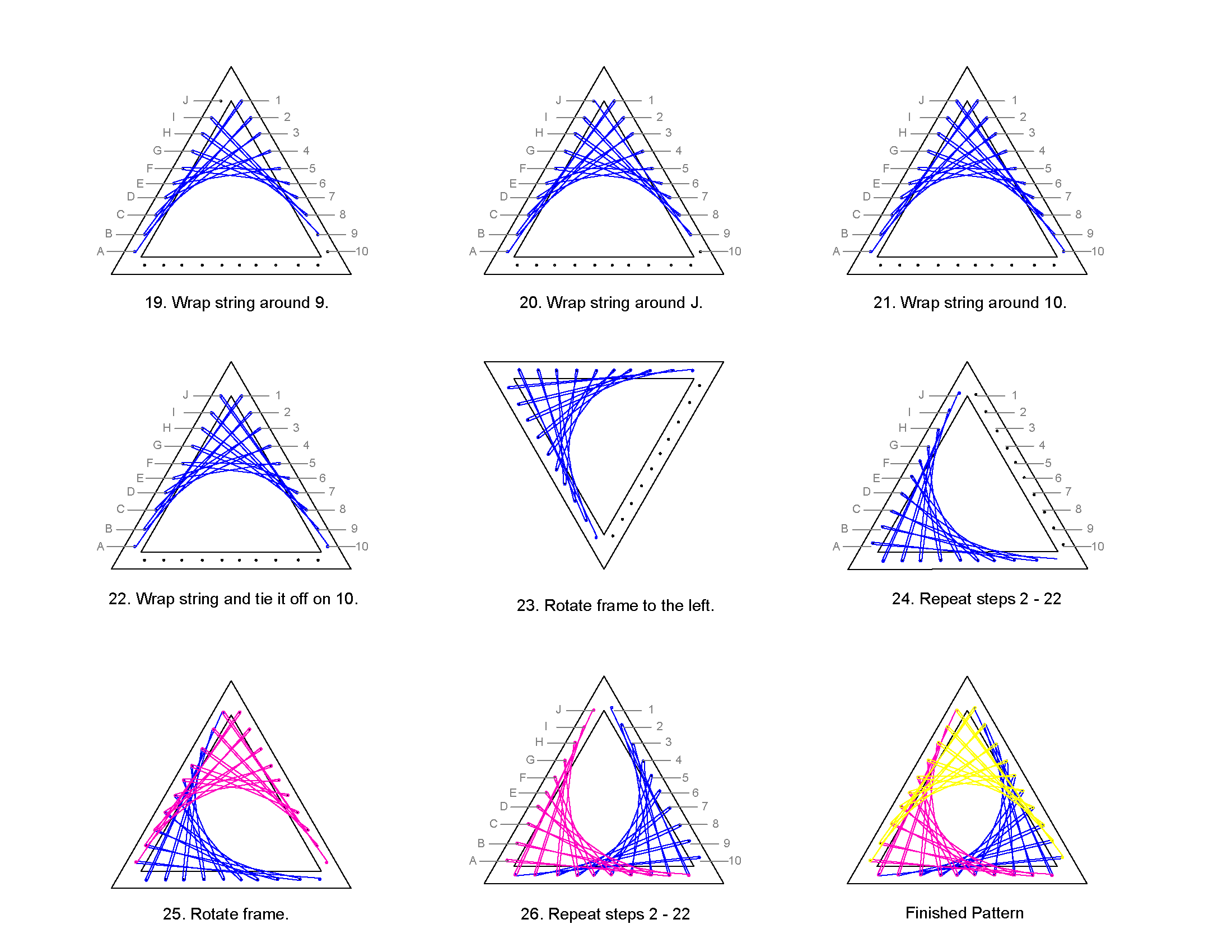
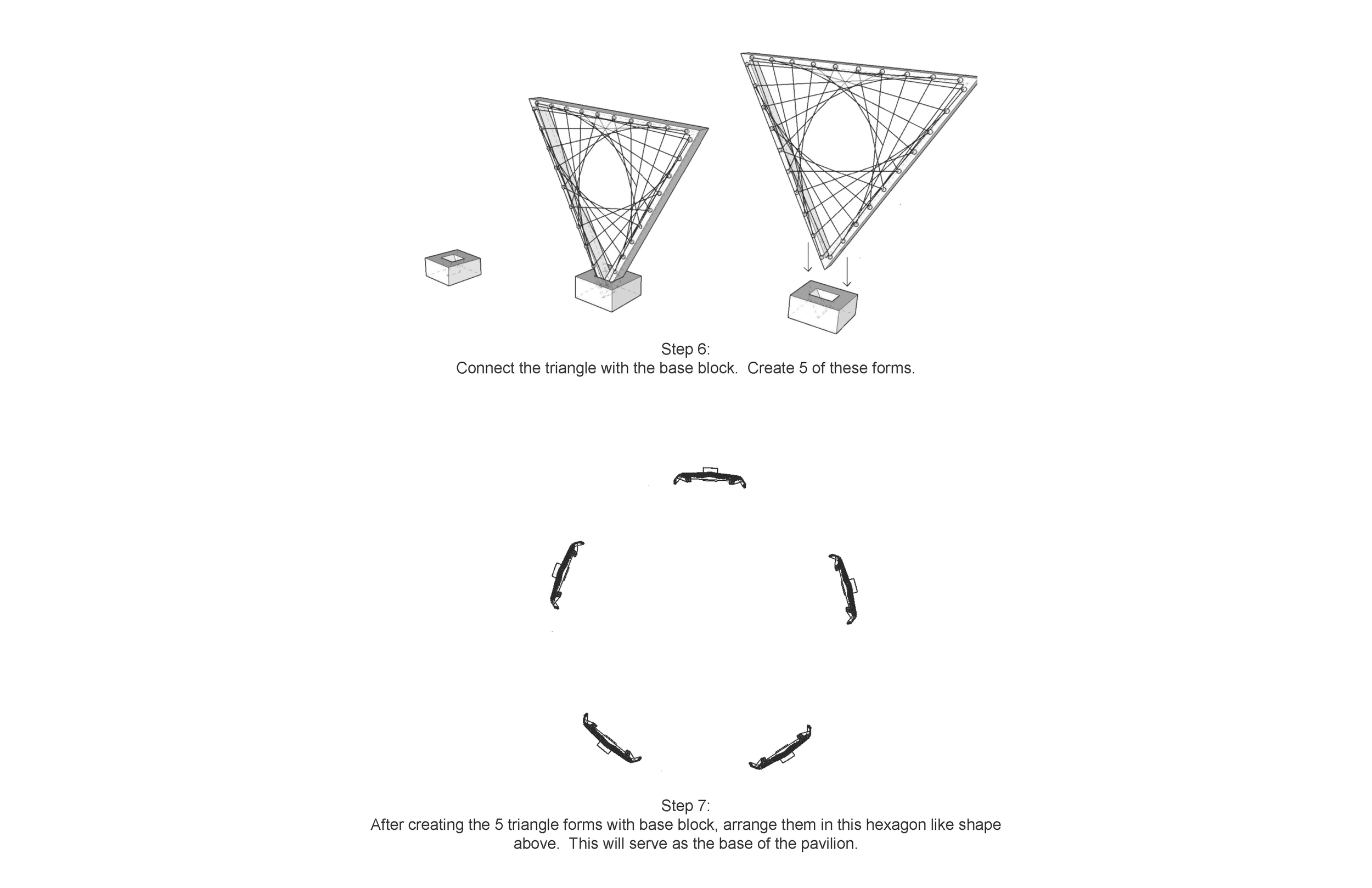
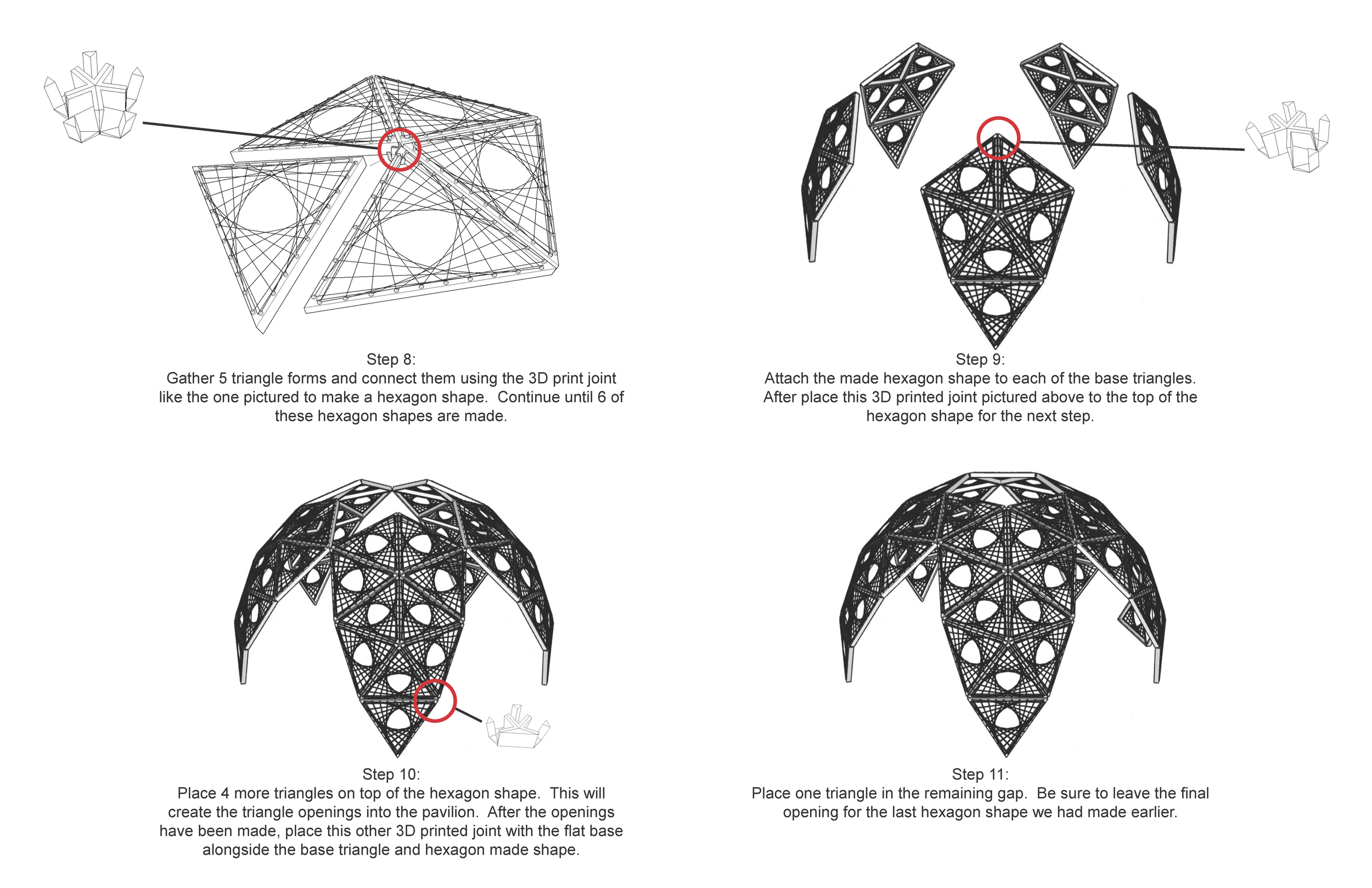
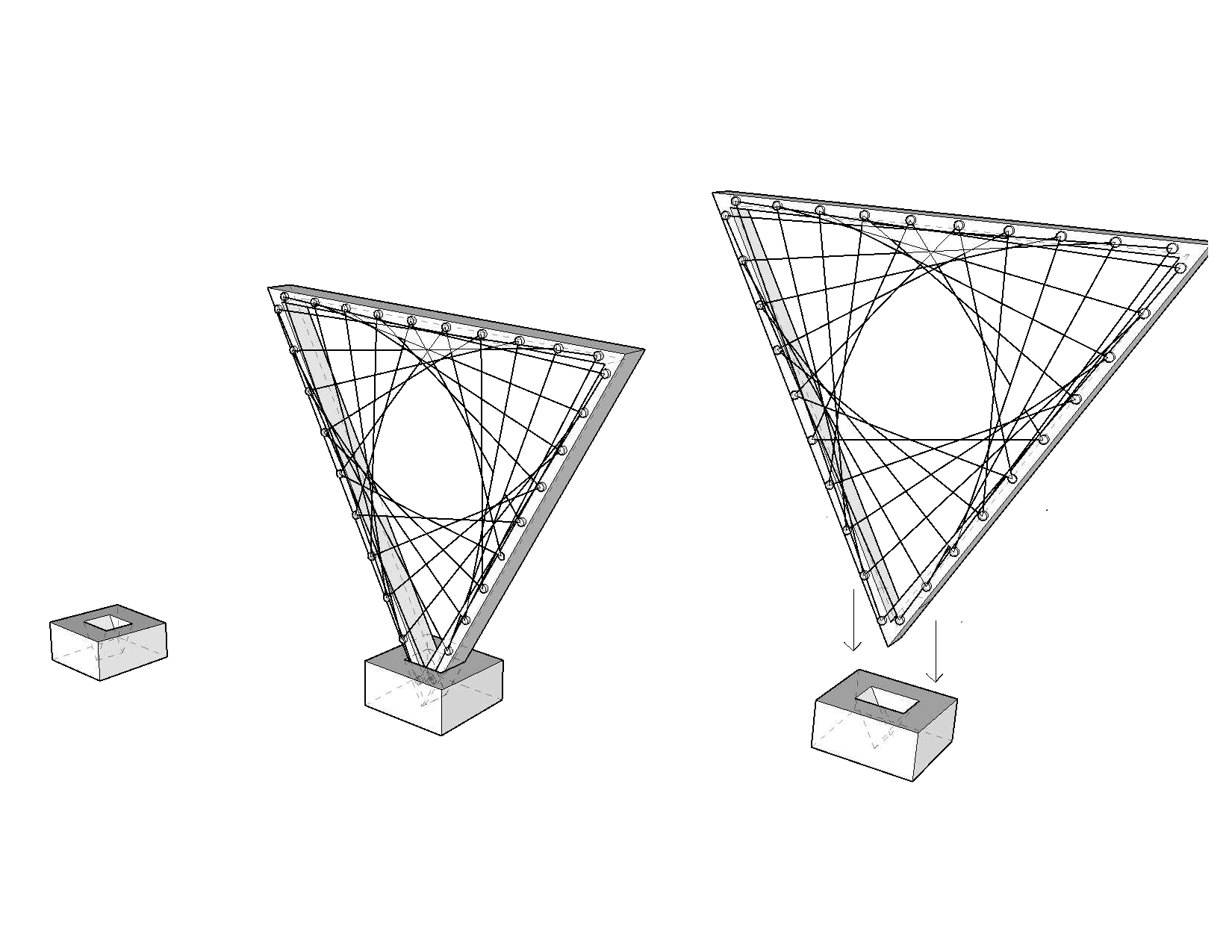
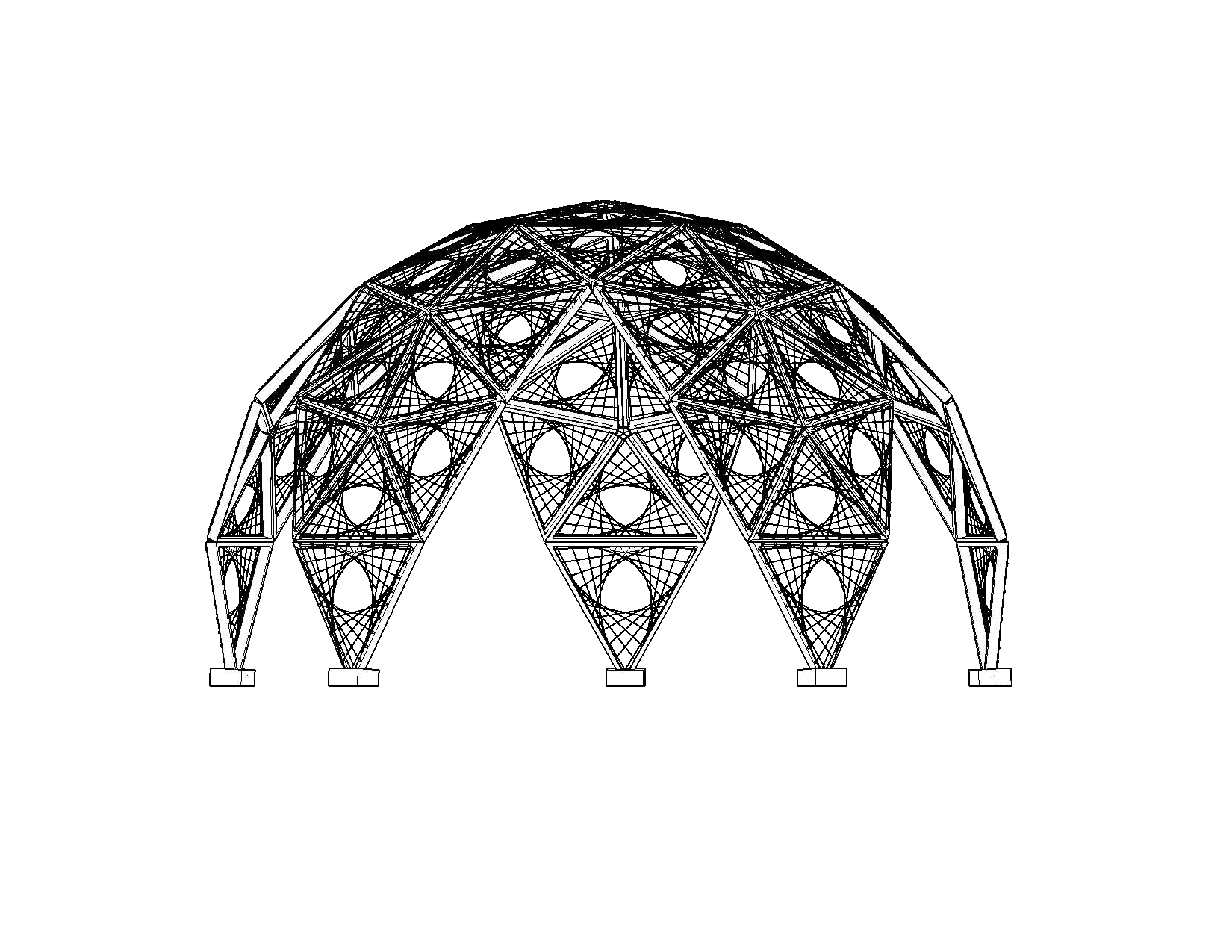
This project explores the use of parametric design as a method for generating modular architectural systems that are both structurally expressive and spatially engaging. Students employed Rhino and Grasshopper to develop a pavilion composed of repeatable triangular modules, translating simple rule-based logics—such as point spacing, string connections, and rotational sequences—into complex geometric assemblies. What begins as a two-dimensional patterning exercise evolves into a three-dimensional pavilion through systematic aggregation, rotation, and connection of modules, demonstrating how local design decisions can produce emergent global form.
The pavilion is conceived as a lightweight, open structure situated within a landscaped public setting, where structure, pattern, and enclosure are integrated into a single geometric language. Parametric workflows allowed students to test variations in density, curvature, and aperture size, linking digital control to spatial performance such as light, porosity, and human scale. By emphasizing modularity and rule-based design, the project highlights how computational tools can support adaptable construction strategies while maintaining strong formal coherence. Ultimately, the pavilion serves as a physical and visual record of a parametric process—bridging abstract algorithms, fabrication logic, and inhabitable space.