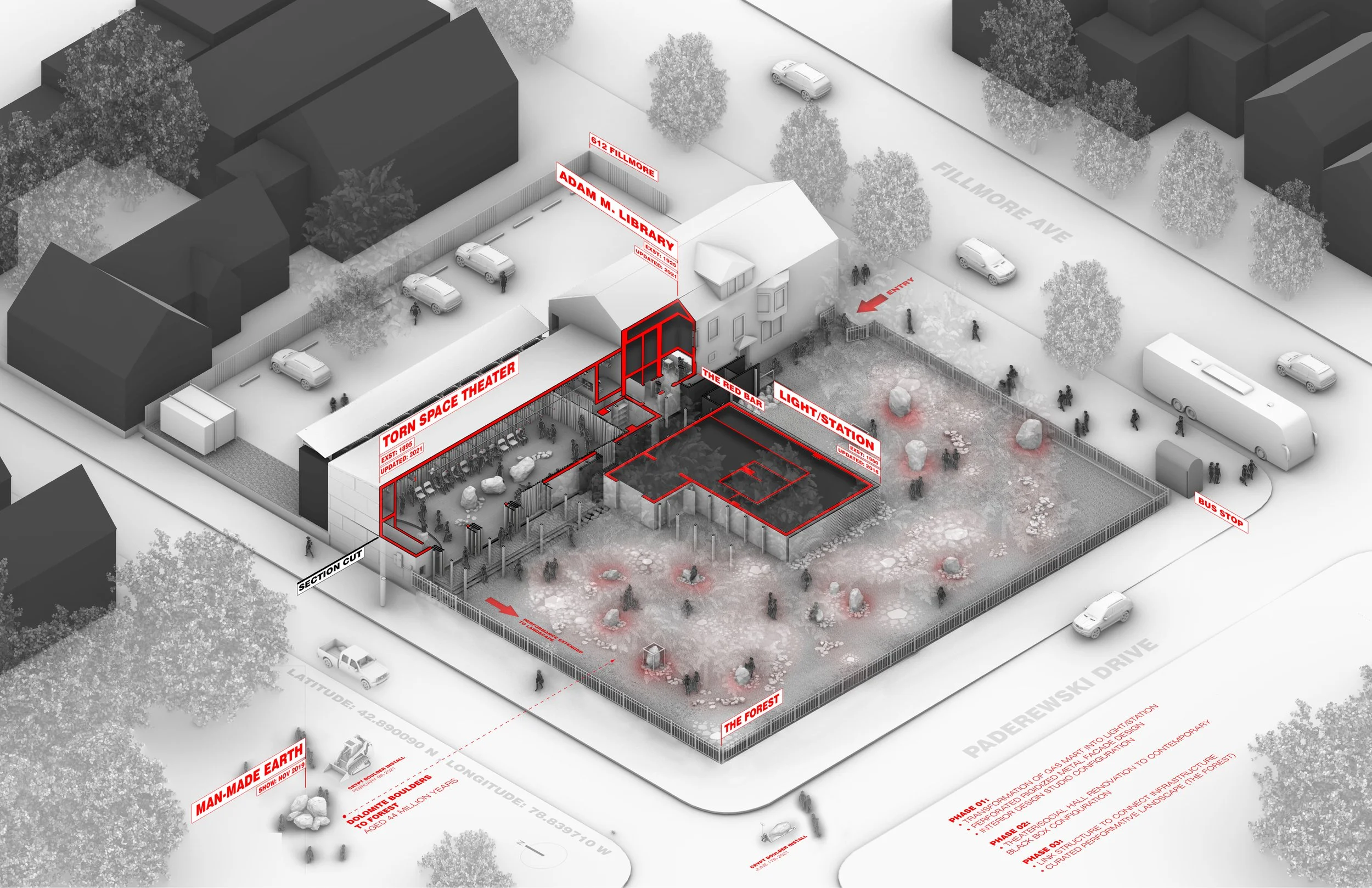
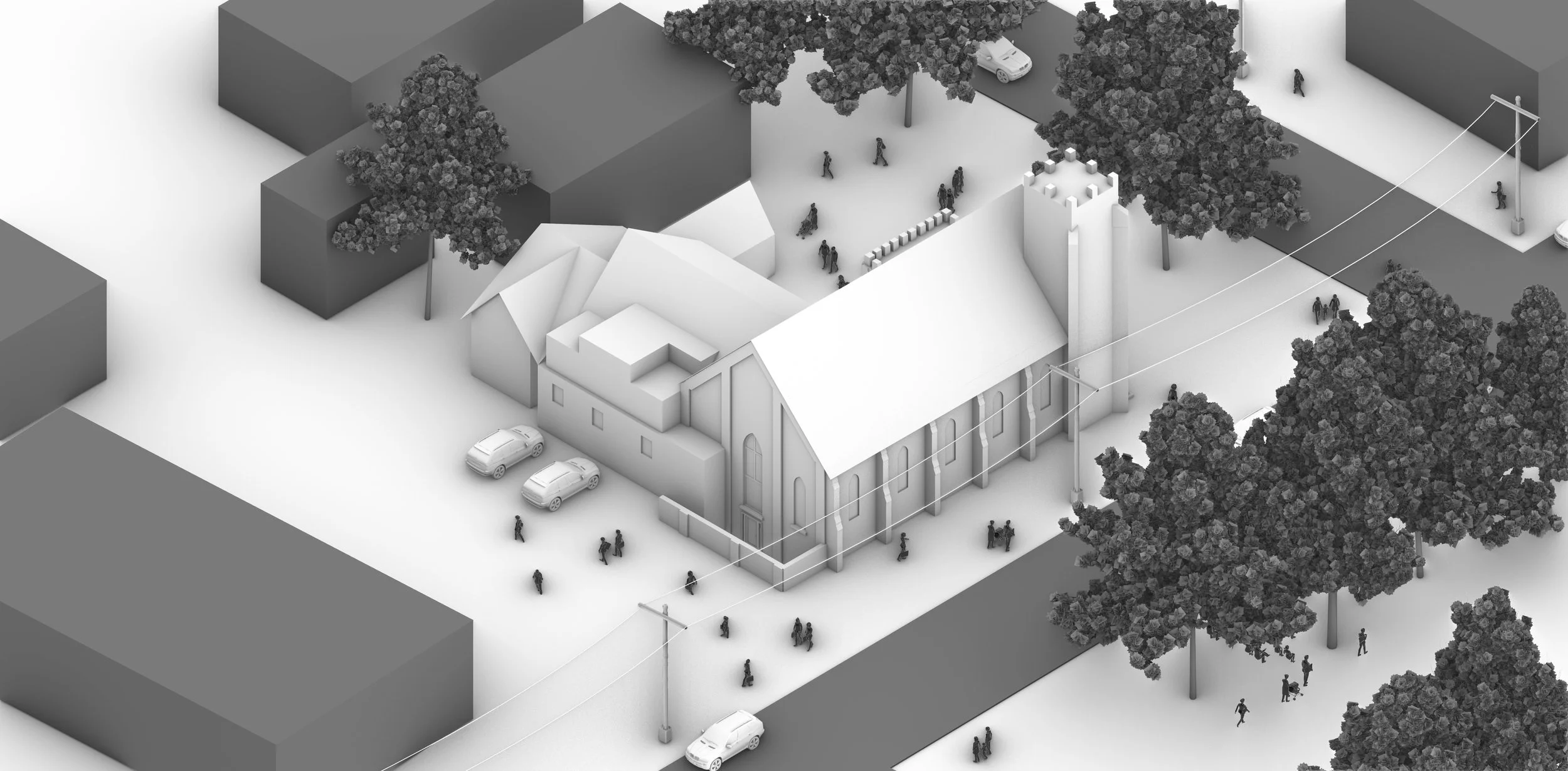
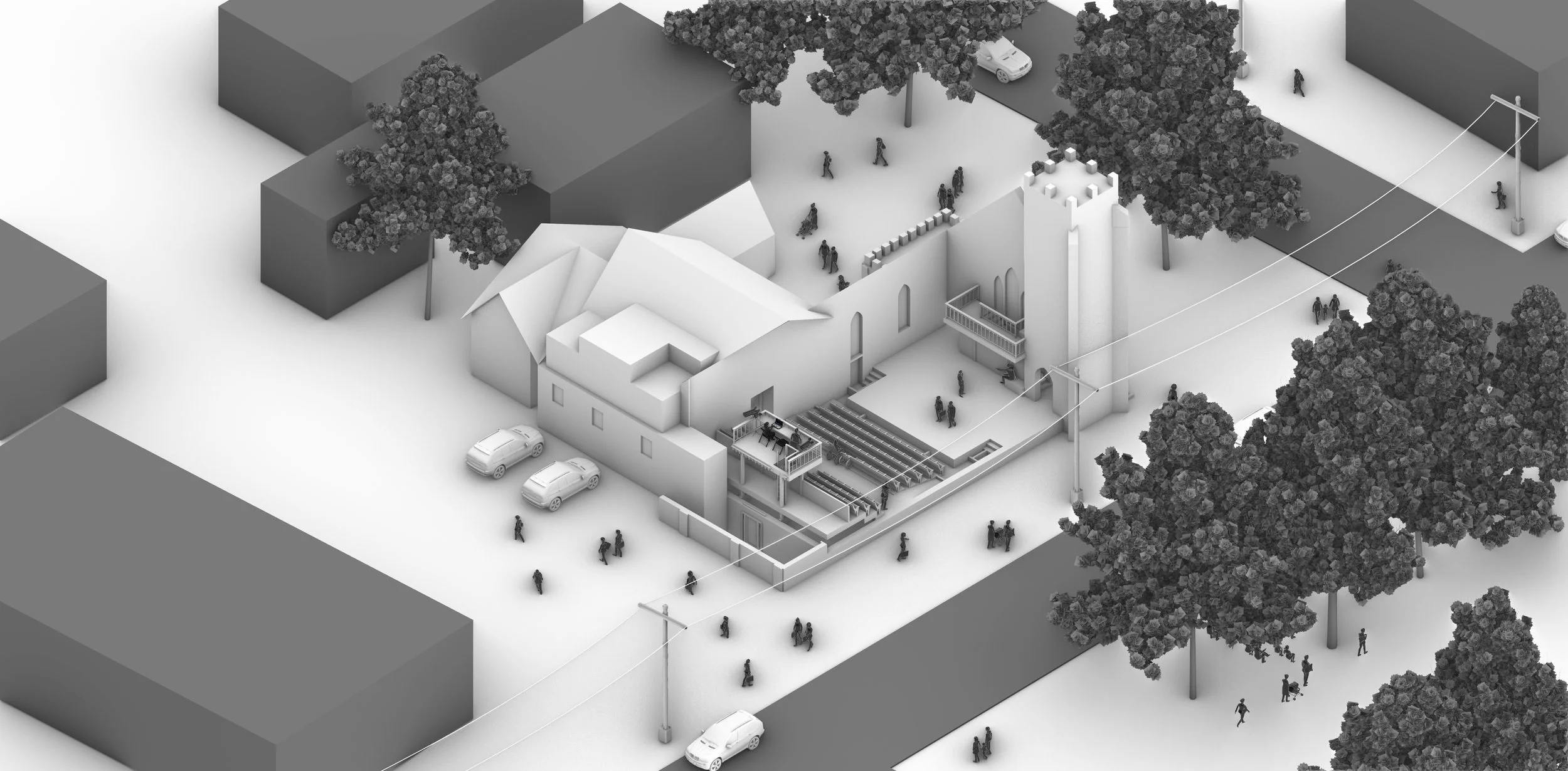
Advanced 3D Modeling
We provide advanced 3D modeling services that support complex design thinking, rapid iteration, and seamless transitions from concept to fabrication and construction. Our workflows integrate parametric, polygonal, and BIM-based modeling to match the specific goals and scale of each project.
Using Rhino3D with Grasshopper, we develop highly controllable parametric systems—allowing geometry to respond to data, performance criteria, material constraints, and design intent. These models are ideal for generative design, complex surfaces, modular systems, and fabrication-ready outputs.
We complement this with:
Blender for high-resolution mesh modeling, sculptural form development, animation, and advanced visual exploration
Revit for coordinated building models, documentation-ready geometry, and integration with architectural production workflows
SketchUp for fast conceptual modeling, massing studies, and early-stage spatial testing
Our advanced modeling services support:
Parametric and generative design systems
Conceptual massing and iterative form studies
Fabrication-ready geometry for CNC, robotic fabrication, and 3D printing
Cross-platform model translation between design, visualization, and construction environments
Custom workflows tailored to the project’s scale, timeline, and technical demands
We approach 3D modeling as more than representation—it is a design engine. By combining precision, flexibility, and creative control, our models become active tools for testing ideas, coordinating teams, and realizing complex architectural and spatial outcomes.
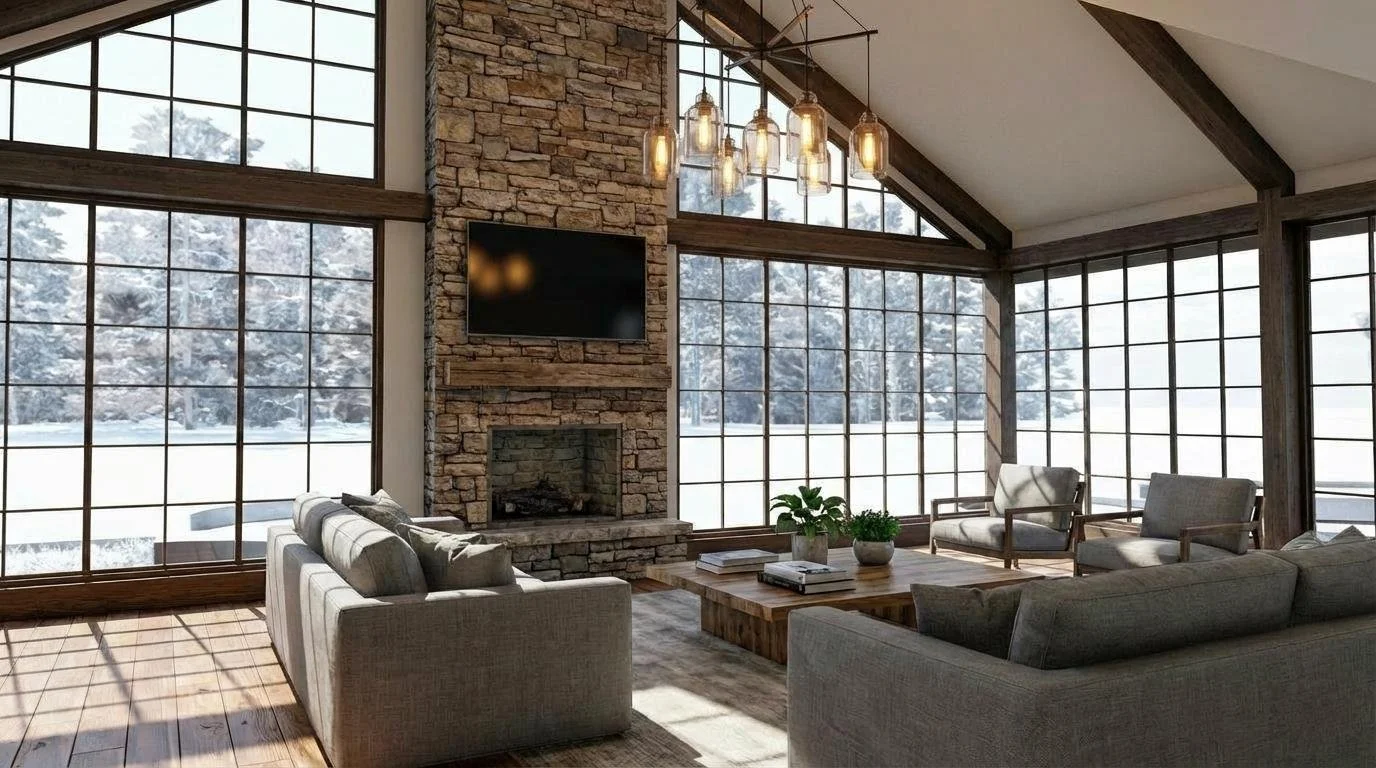
Visualization
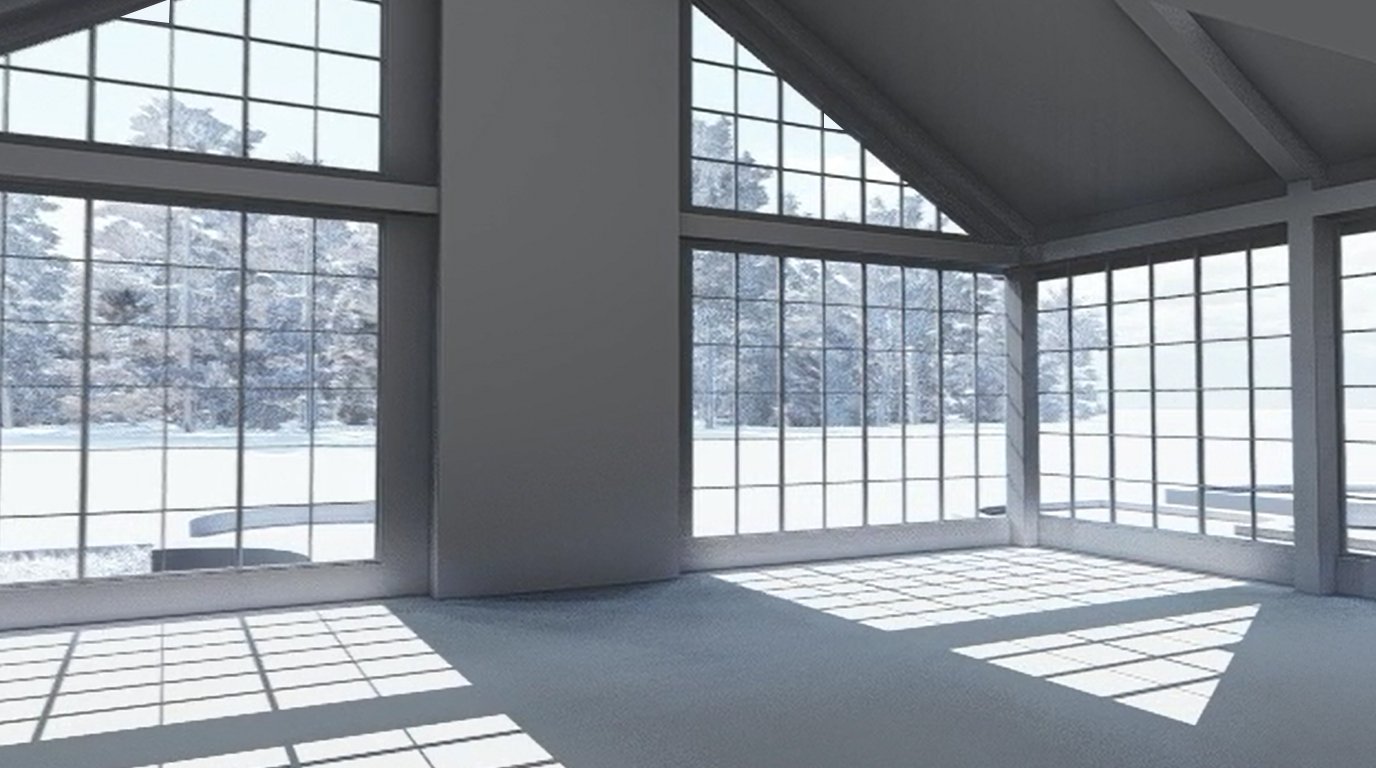
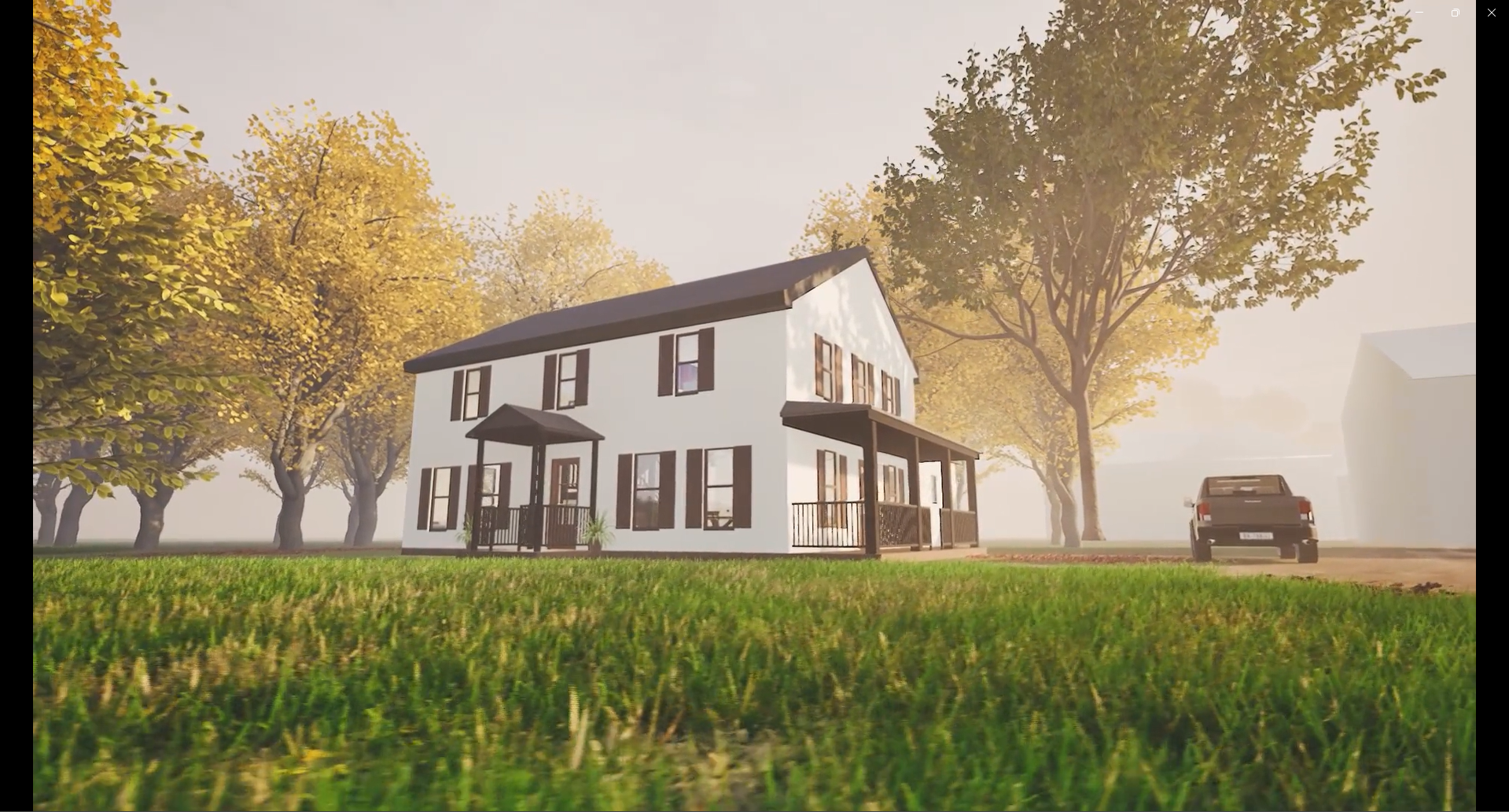
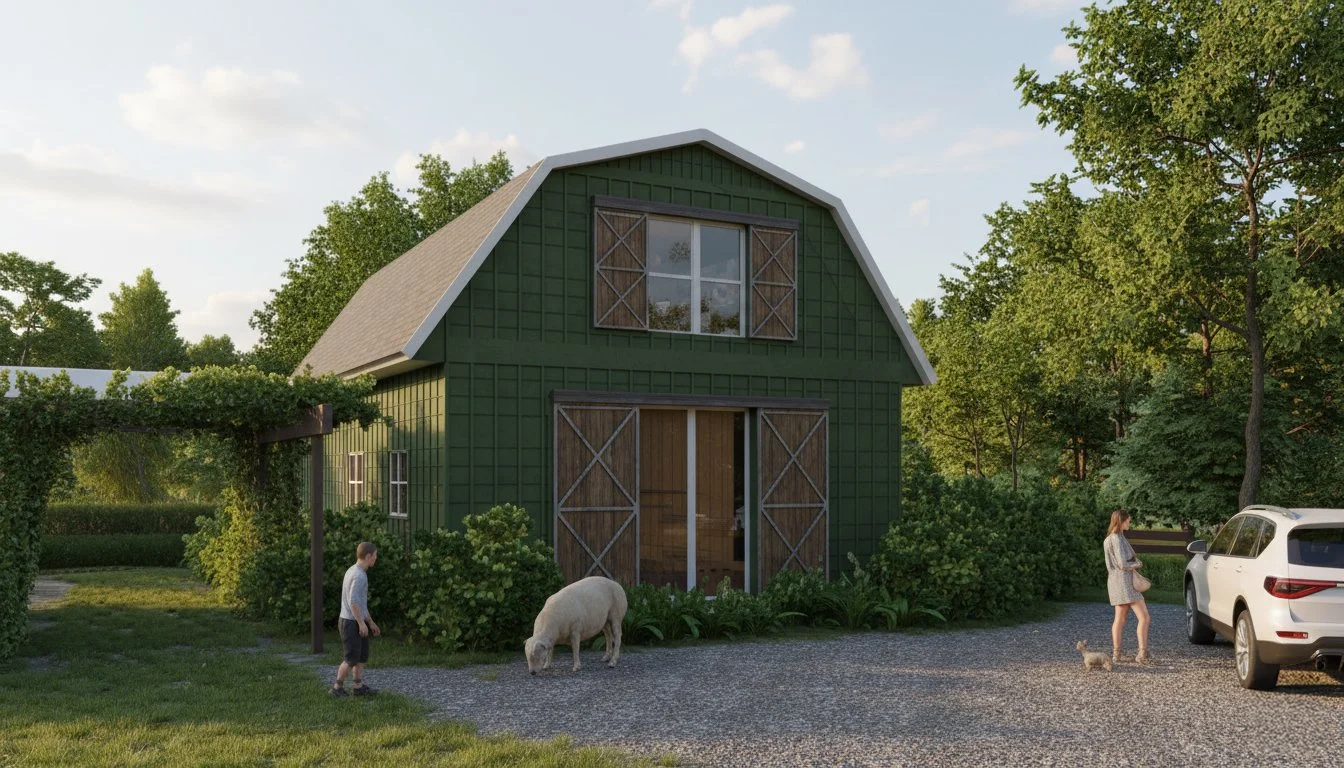
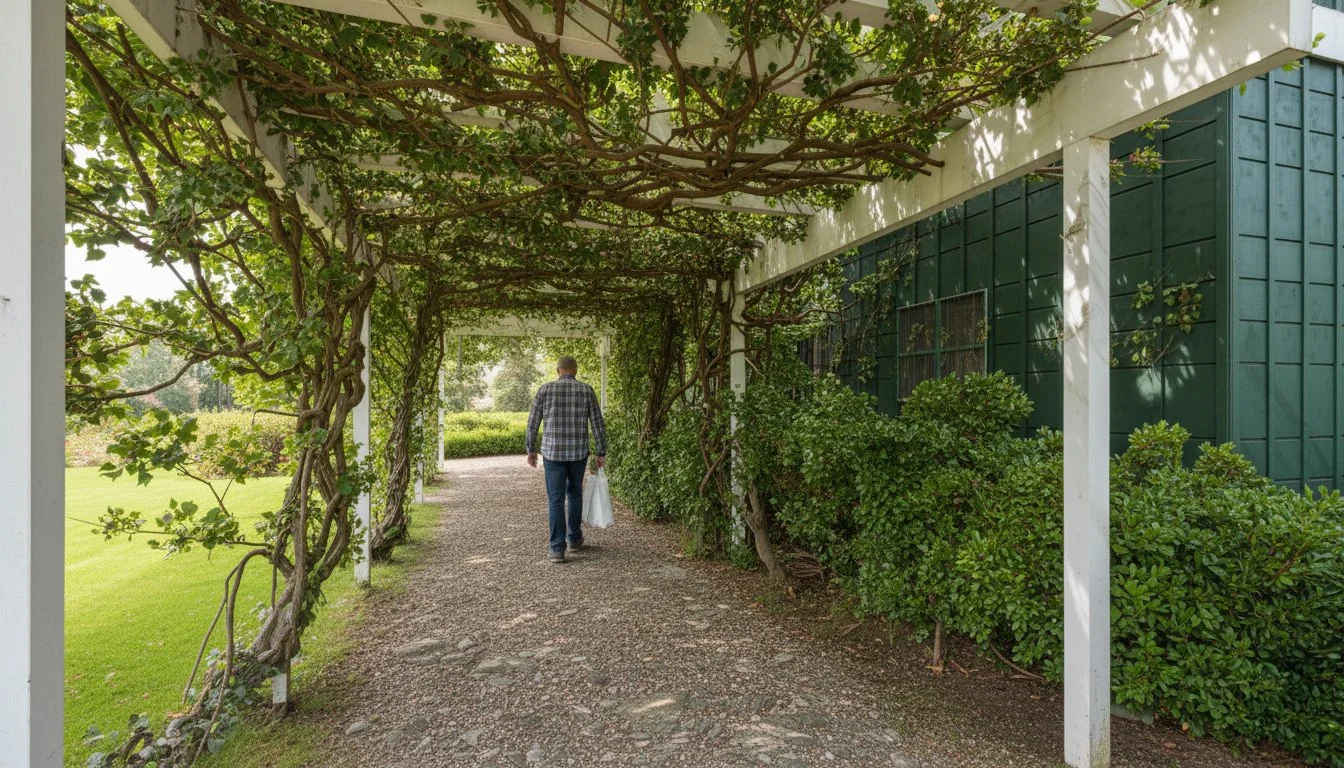
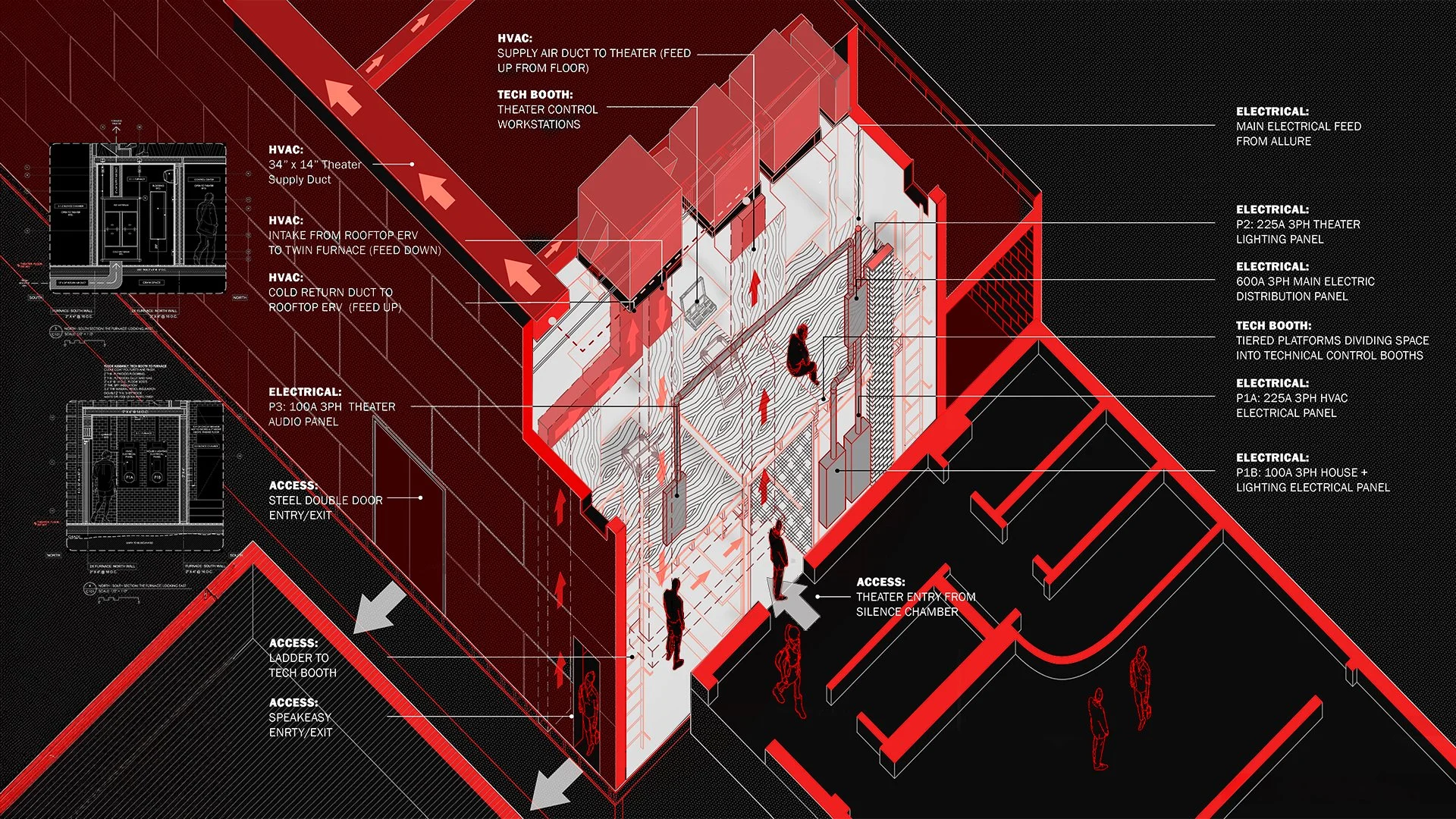
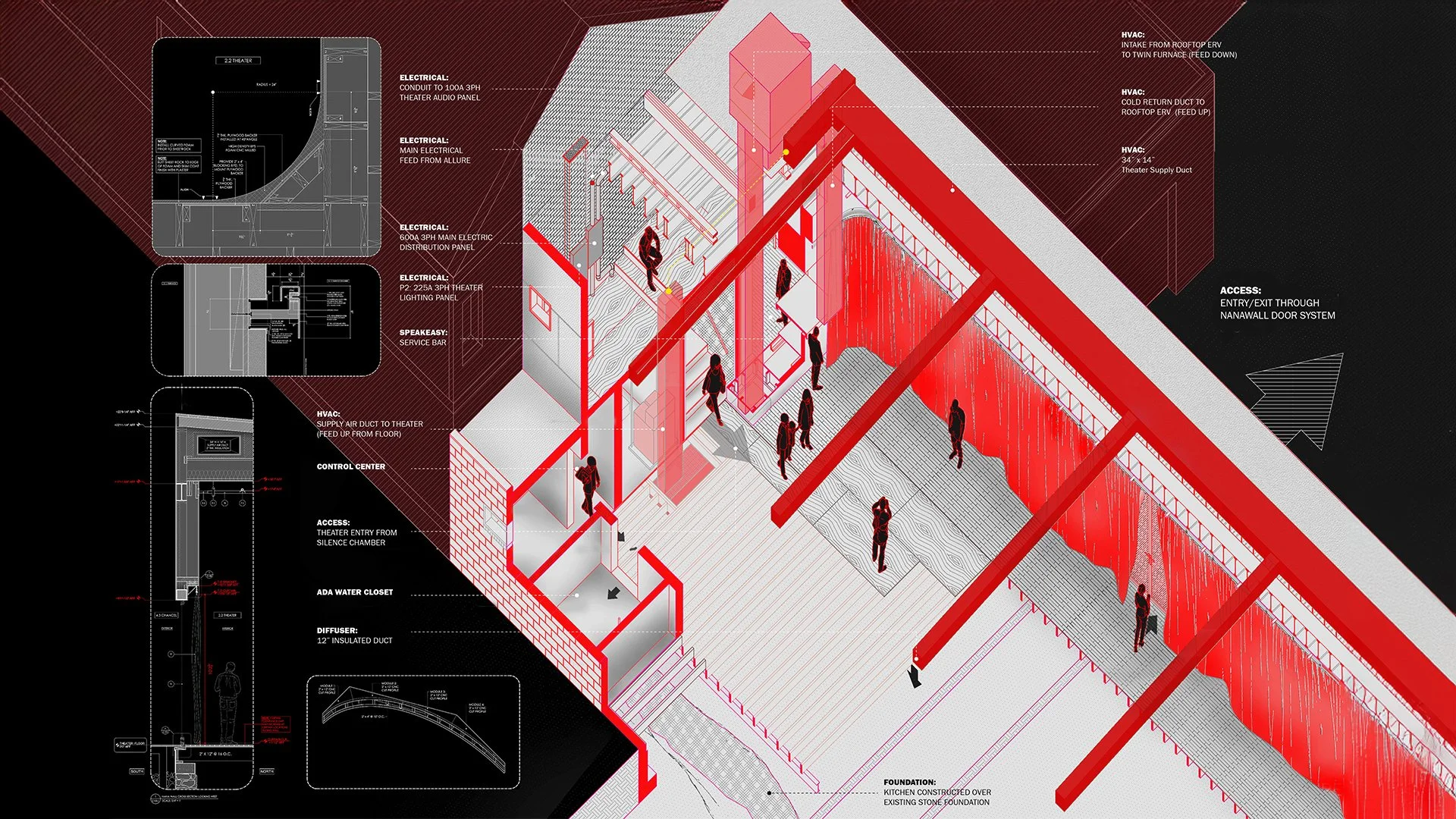
We provide architectural visualization services that transform ideas, drawings, and models into clear, compelling visual narratives. Our work bridges design intent and audience understanding—helping clients, stakeholders, and communities see, evaluate, and engage with projects before they are built.
Using a combination of advanced 3D modeling, real-time rendering, animation, and AI-enhanced workflows, we produce visuals that range from early conceptual studies to high-end photorealistic imagery. Each visualization is tailored to its purpose—whether for design development, client presentations, public review, fundraising, or marketing.
Our visualization services include:
Photorealistic still renderings (exterior and interior)
Conceptual and diagrammatic visuals for early-stage design
Animations and cinematic sequences to communicate spatial experience over time
Immersive environments using VR/AR and real-time engines
We treat visualization as an active design tool, not just a final deliverable. Through iterative feedback and close collaboration, our visuals support decision-making, clarify complex ideas, and tell stories that connect architecture, environment, and people in meaningful ways.




Custom Fabrication
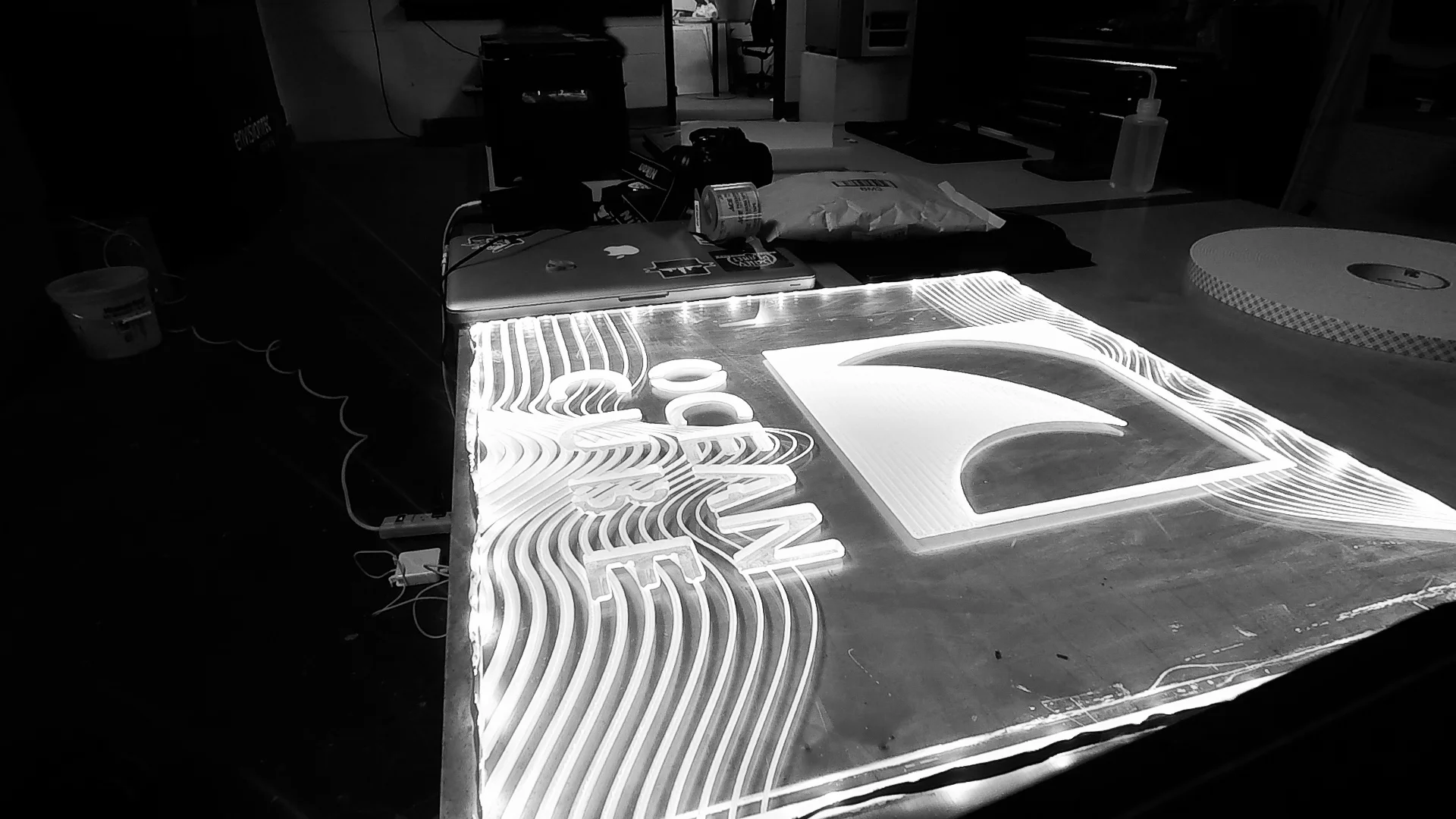
We specialize in custom fabrication that bridges digital design and material reality. Our workflow translates complex architectural ideas into precise, buildable components using a combination of advanced digital tools and hands-on making.
From one-off prototypes to full-scale installations, we work across materials and methods—including CNC milling, robotic fabrication, 3D printing (PLA, clay, and experimental composites), laser cutting, and hybrid analog–digital processes. Each fabrication strategy is tailored to the project’s intent, scale, budget, and context.
Our approach emphasizes:
Design-to-fabrication workflows that reduce friction between concept and construction
Iterative prototyping, allowing ideas to evolve through testing and material feedback
Custom detailing and assemblies that respond to spatial, structural, and experiential goals
Collaborative processes with architects, artists, institutions, and community partners
Whether producing architectural components, exhibition elements, public art installations, or research-driven prototypes, we treat fabrication as an extension of design—where material intelligence, craft, and technology work together to create meaningful, performative outcomes.
3D Scanning / Surveying
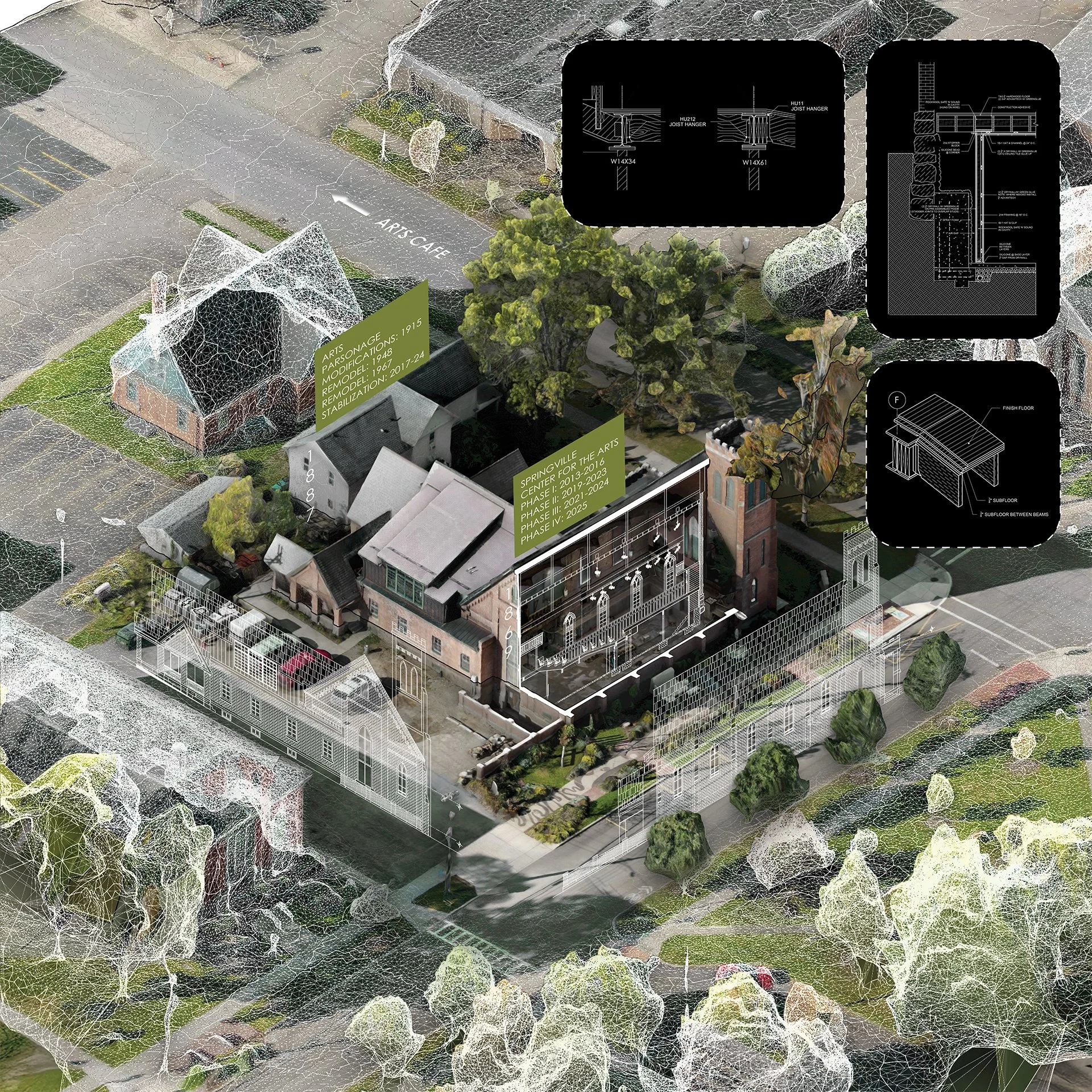
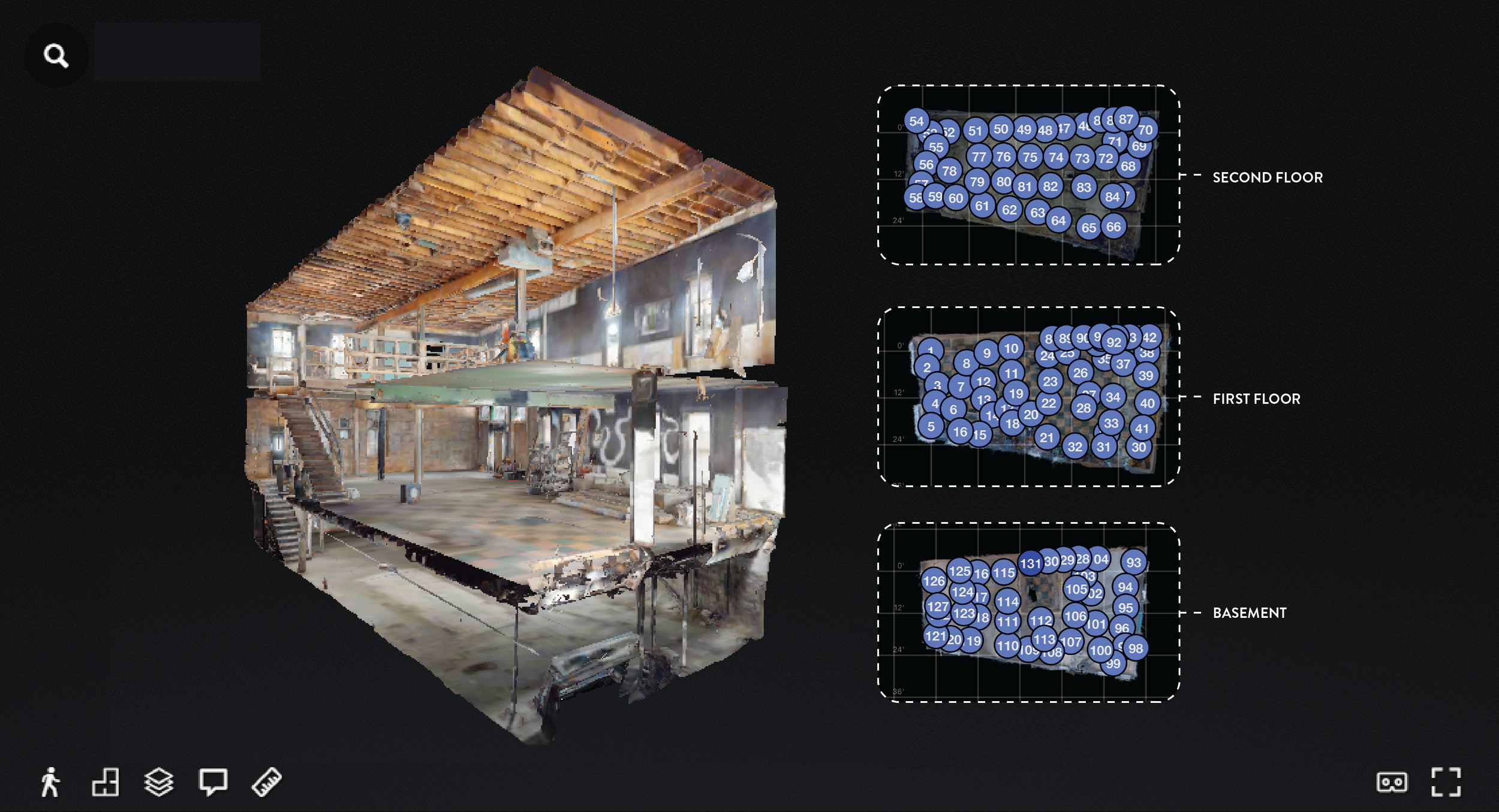
We provide high-resolution 3D scanning services that capture existing conditions with precision and depth—transforming physical spaces and objects into accurate, usable digital assets. Our scanning workflows support design, documentation, preservation, and visualization across architectural, artistic, and research-driven projects.
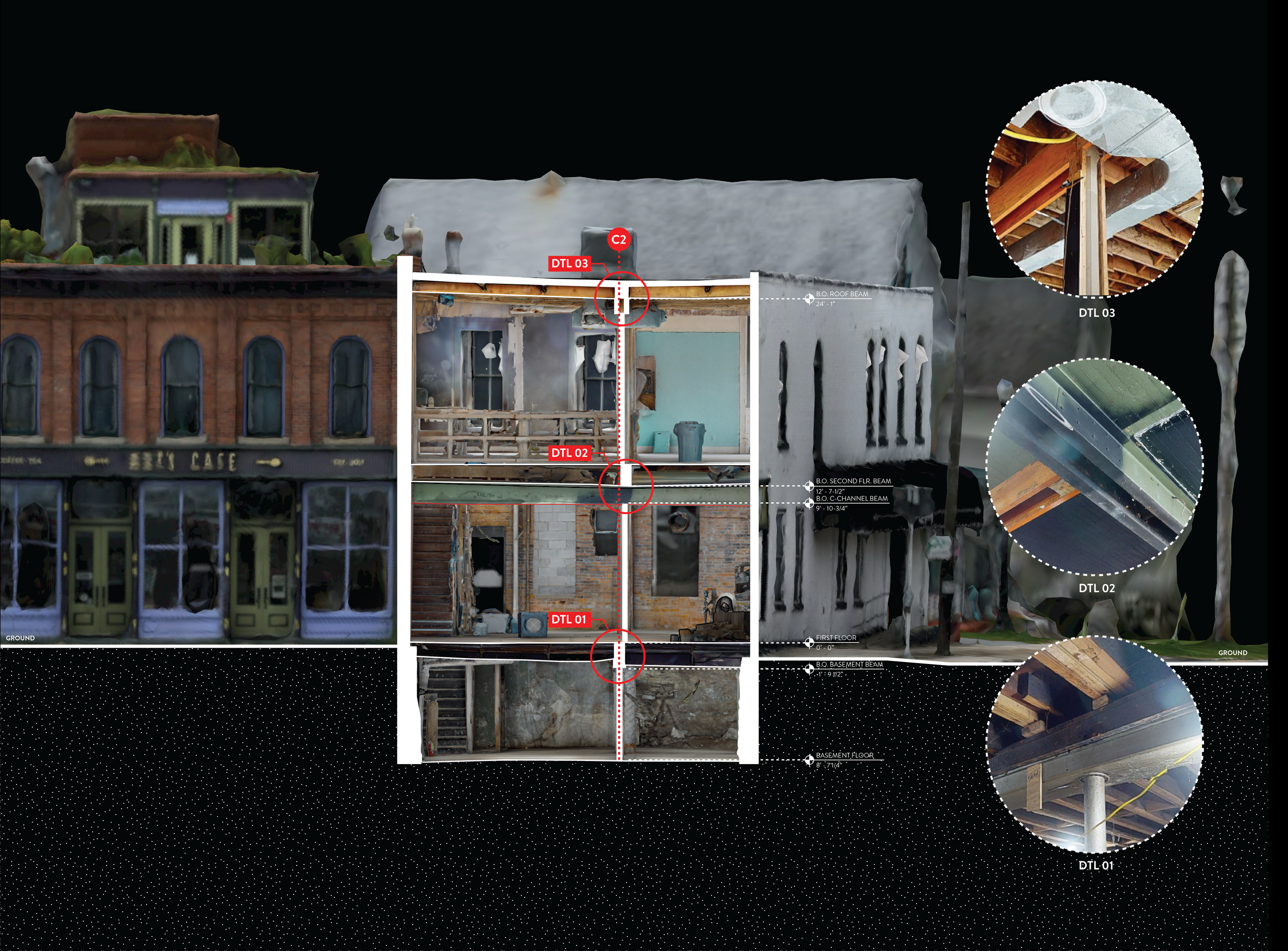
Using a combination of LiDAR scanning, photogrammetry, and hybrid capture techniques, we generate detailed digital twins that record geometry, material texture, and spatial relationships. These models become a foundation for downstream workflows including design development, fabrication, immersive visualization, and archival documentation.
Our 3D scanning services support:
Existing-conditions documentation for renovations, adaptive reuse, and historic preservation
Digital twin creation for visualization, analysis, and long-term asset management
Scan-to-BIM and scan-to-model workflows compatible with Rhino, Revit, and other design platforms
Object and artifact scanning for fabrication, exhibition, and research applications
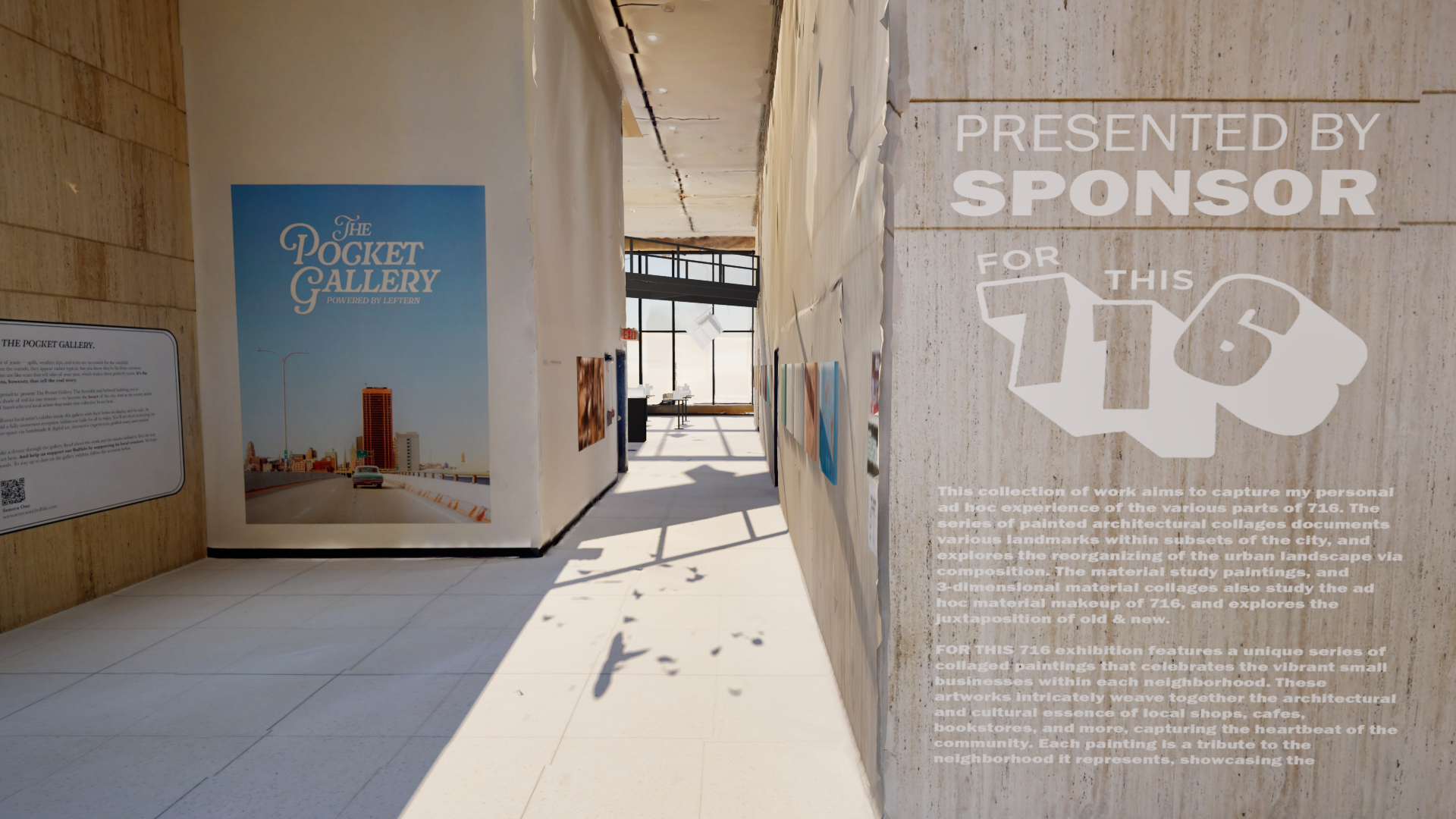
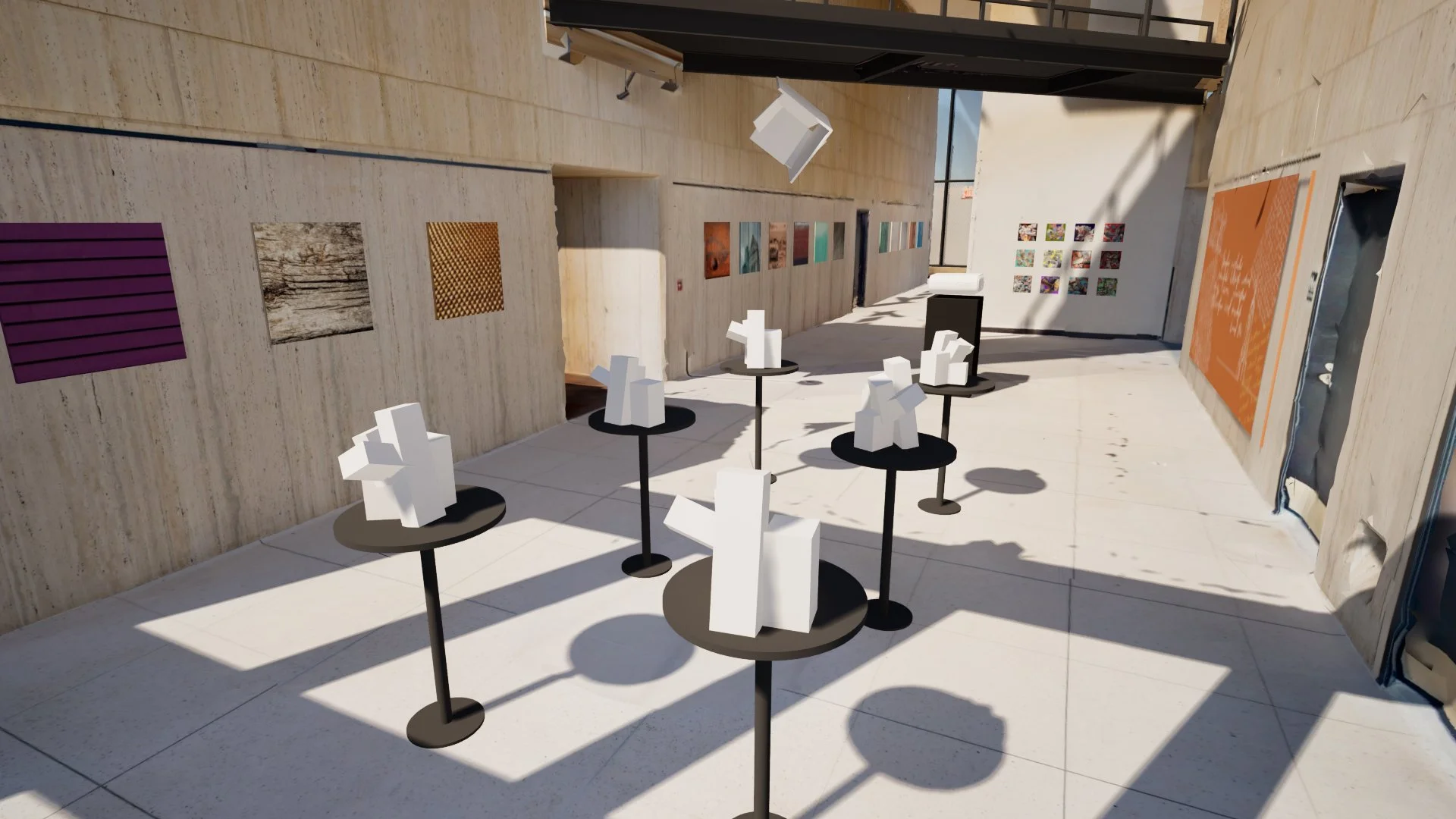
VR/AR and immersive environments, enabling spatial experiences beyond the physical site
We approach scanning not just as data capture, but as a design-intelligent process—translating real-world complexity into flexible digital models that inform decision-making, storytelling, and future transformation.
Space Planning
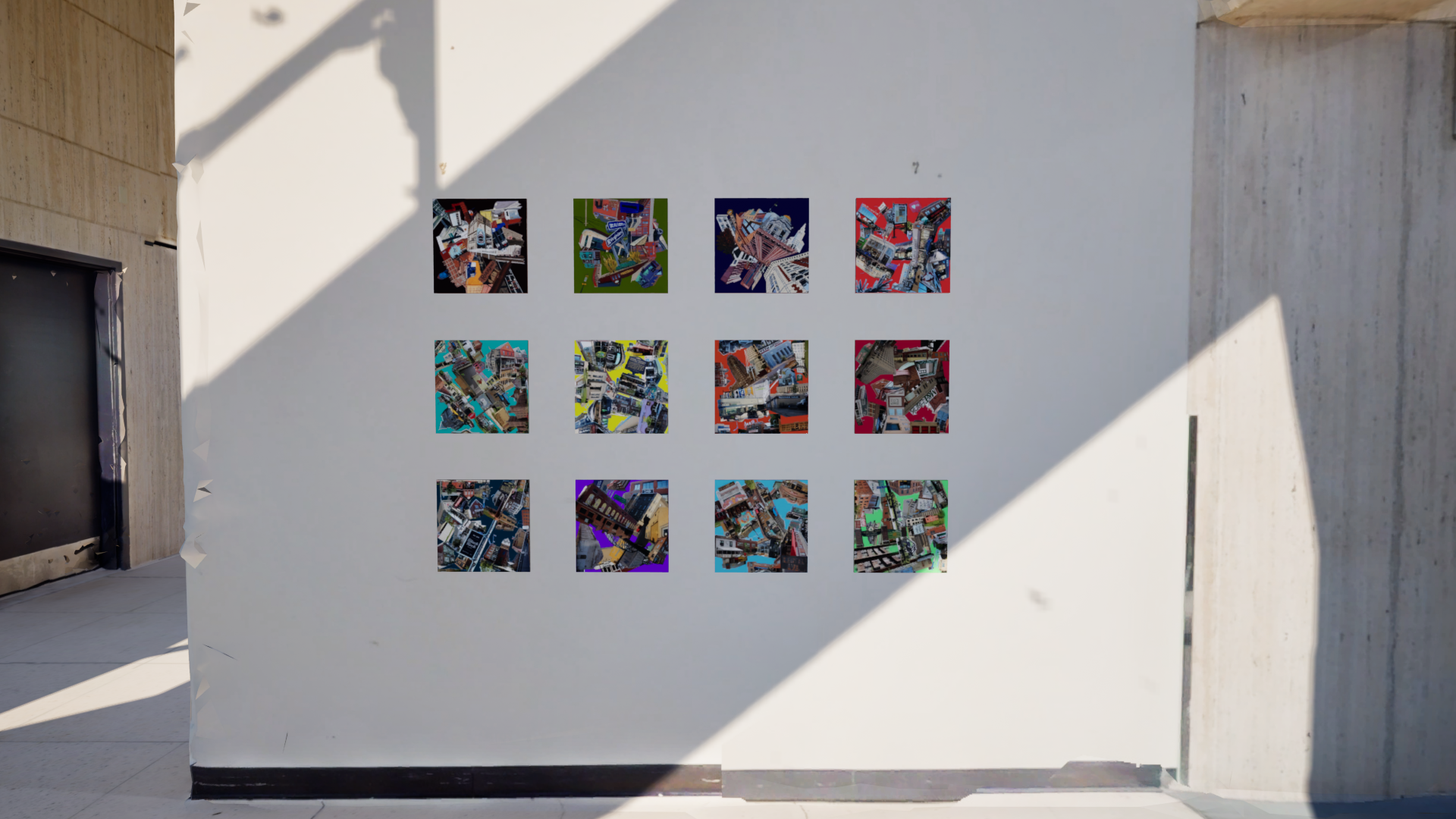
We offer space planning services that translate programmatic needs into clear, flexible, and human-centered spatial systems. Our approach balances function, flow, and experience, ensuring that spaces work efficiently while supporting how people actually occupy, move through, and adapt them over time.
Grounded in architectural thinking and informed by data, we develop space plans that respond to use patterns, adjacencies, circulation, and accessibility. Whether working within an existing building or shaping a new interior framework, we see space planning as a strategic tool—one that aligns organizational goals, spatial performance, and design intent.
Our space planning services include:
Program analysis and adjacency studies to clarify spatial relationships and priorities
Test fits and layout iterations to explore multiple planning scenarios
Circulation, zoning, and occupancy strategies that support intuitive navigation and use
Adaptive reuse planning, working within the constraints and opportunities of existing structures
Coordination with visualization, fabrication, and digital workflows to ensure plans translate seamlessly into built outcomes
We treat space planning as an iterative and collaborative process, using diagrams, models, and visual studies to test ideas early and refine them through feedback. The result is spatial frameworks that are efficient, expressive, and resilient—designed to evolve alongside the people and communities they serve.
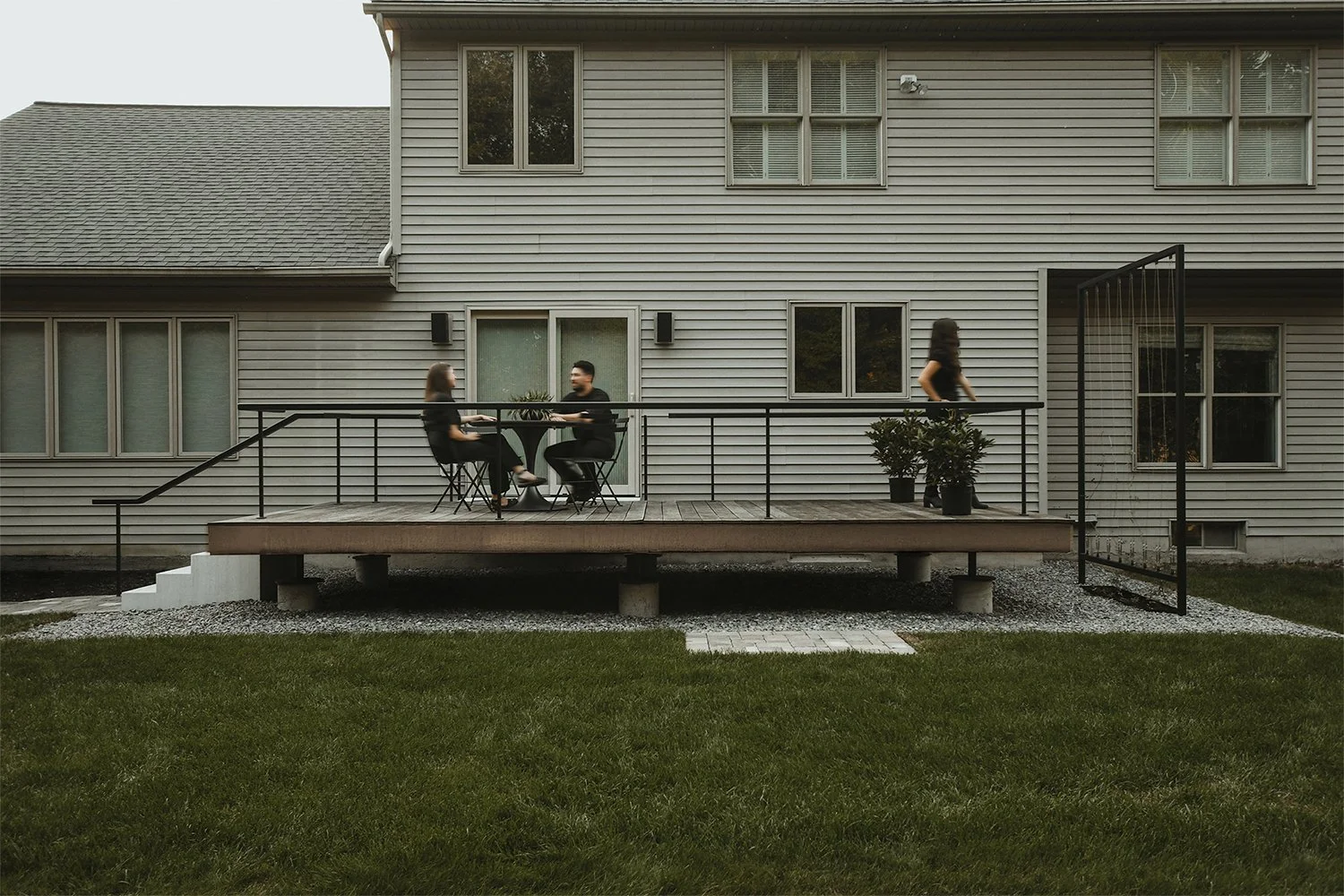
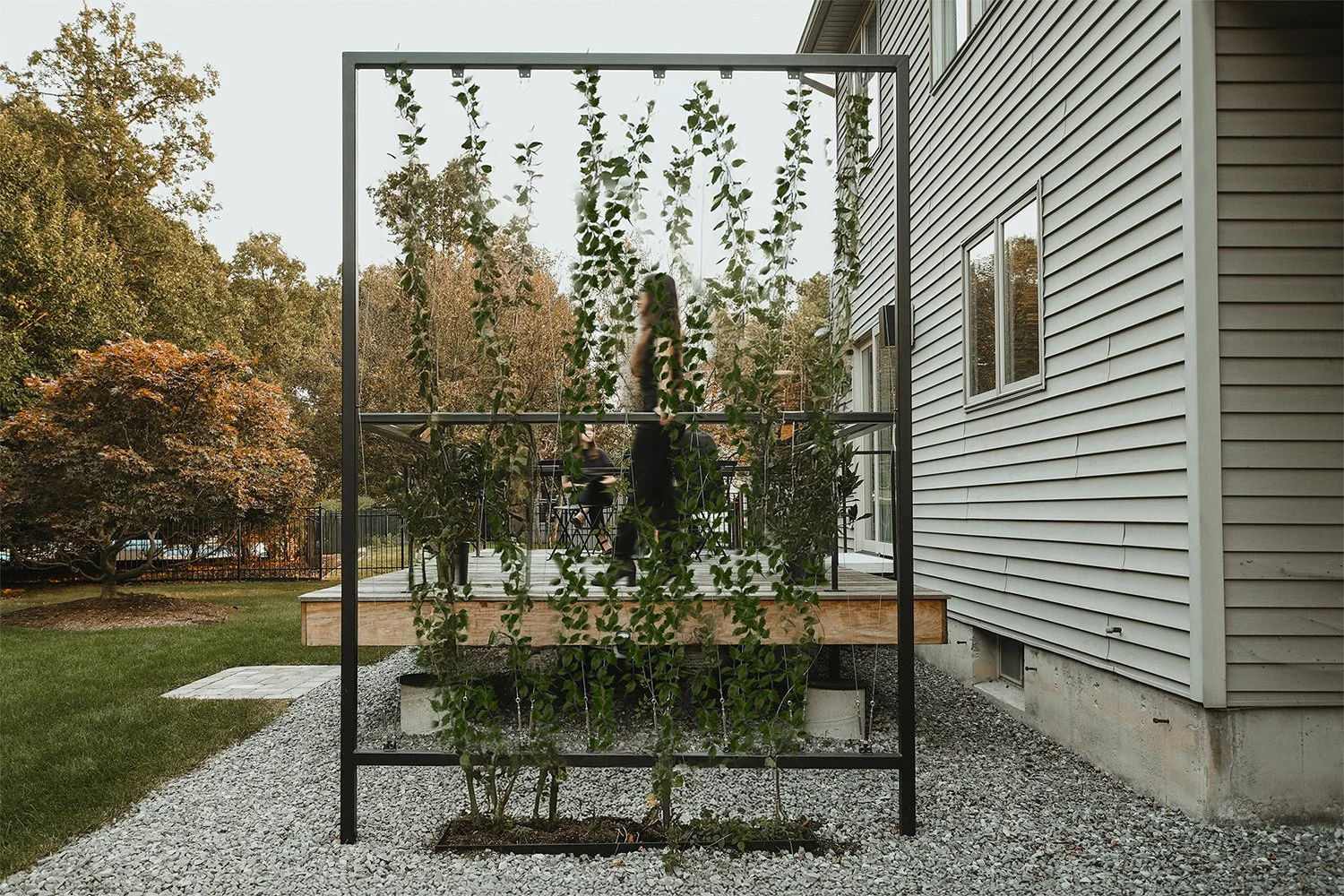
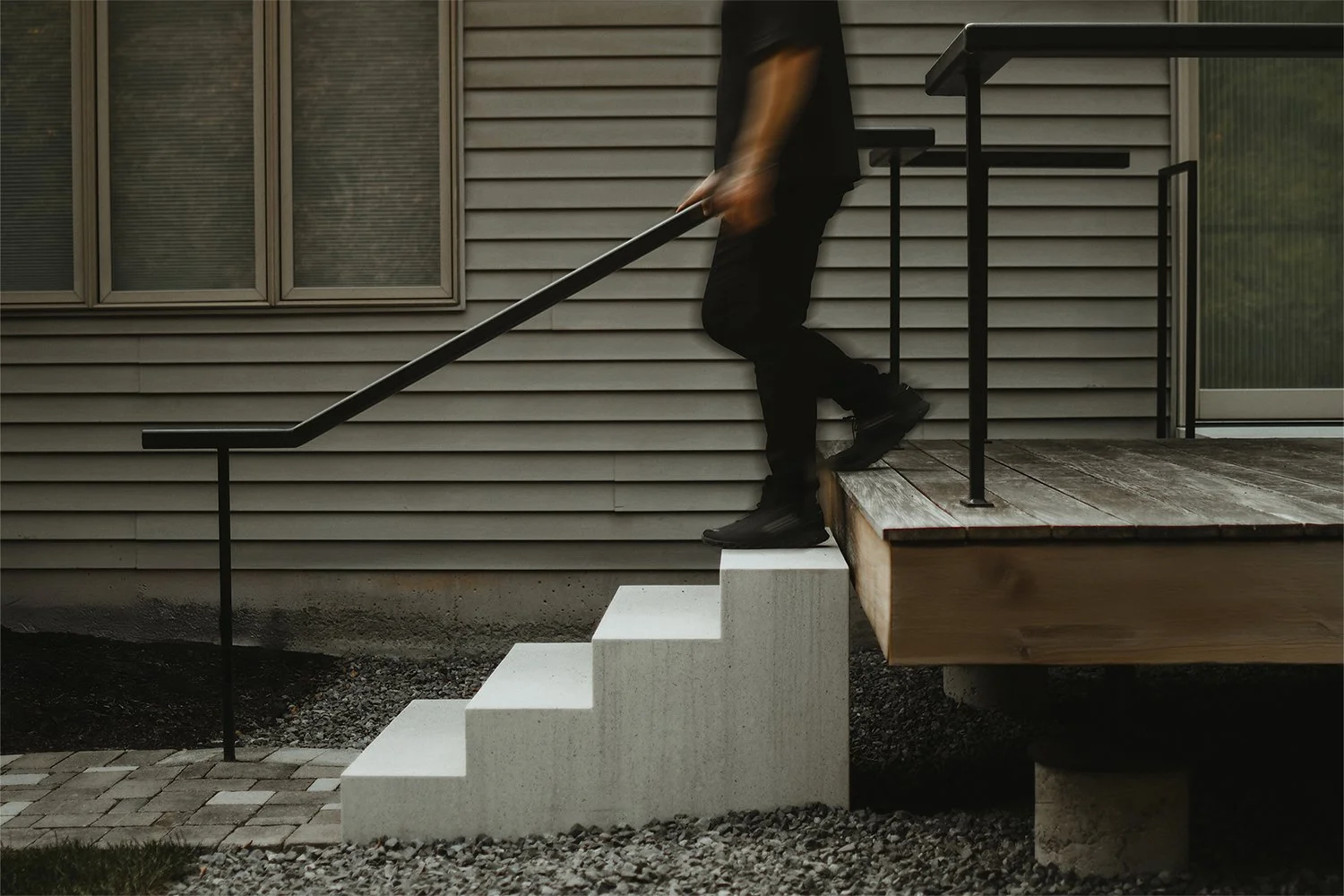
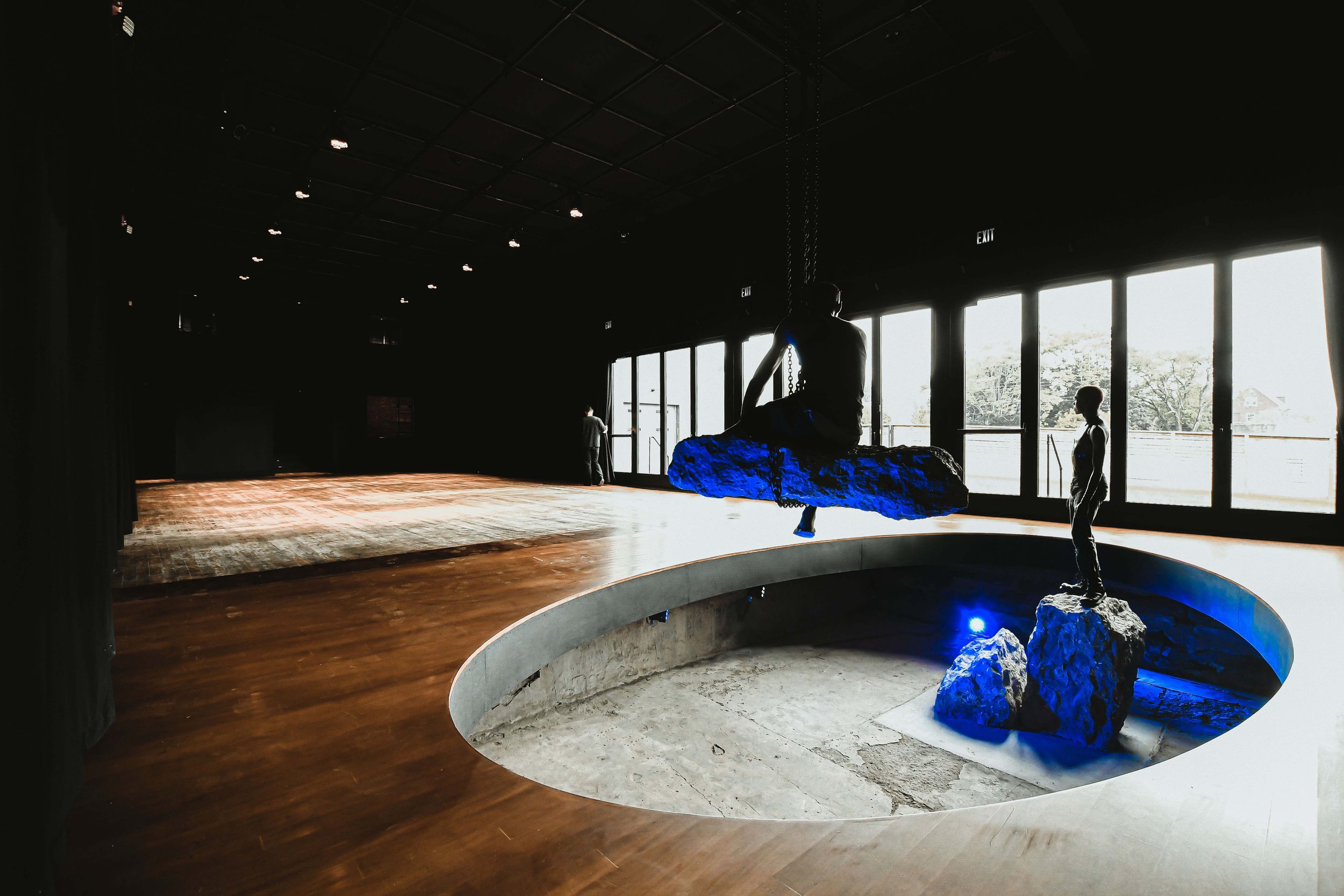
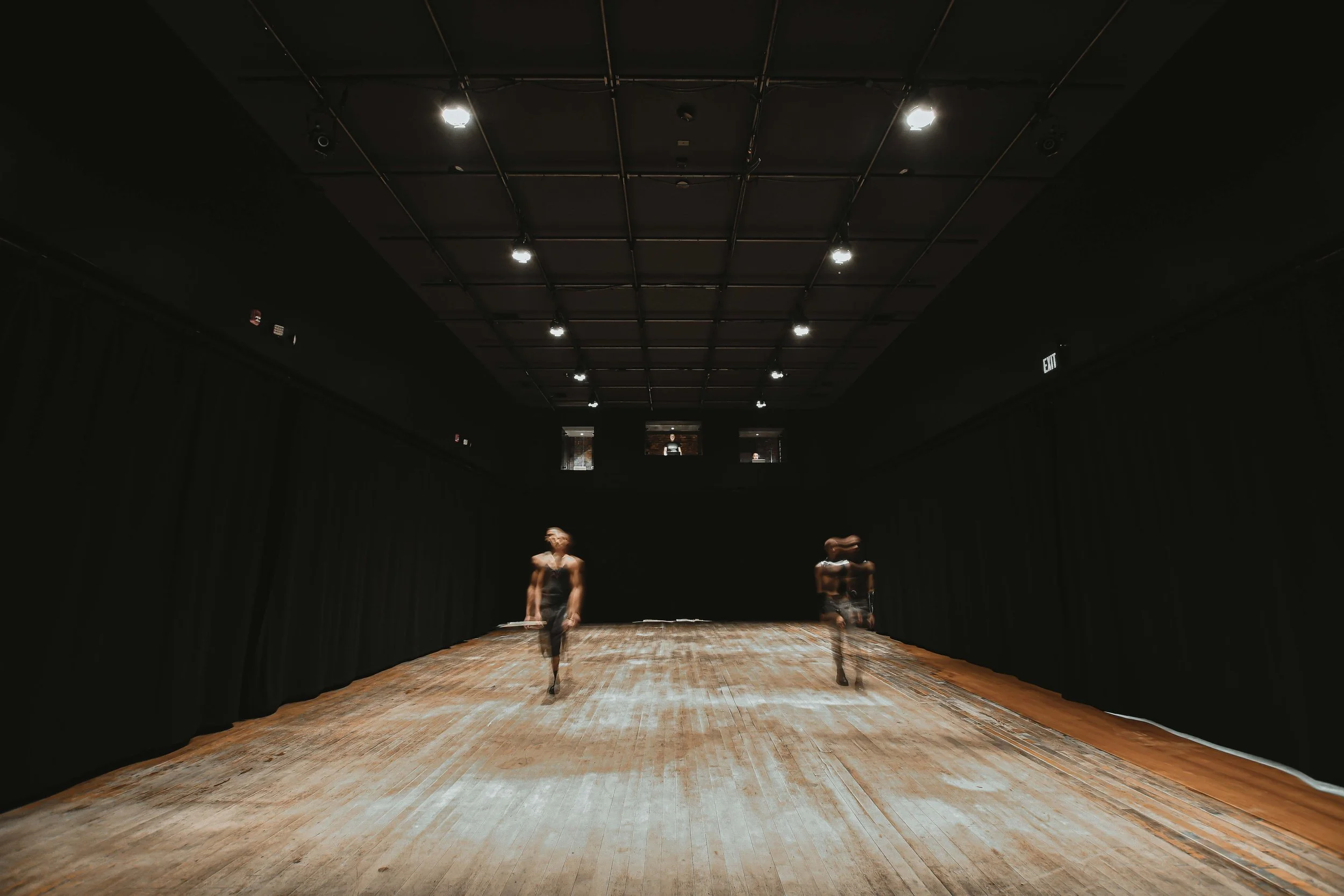
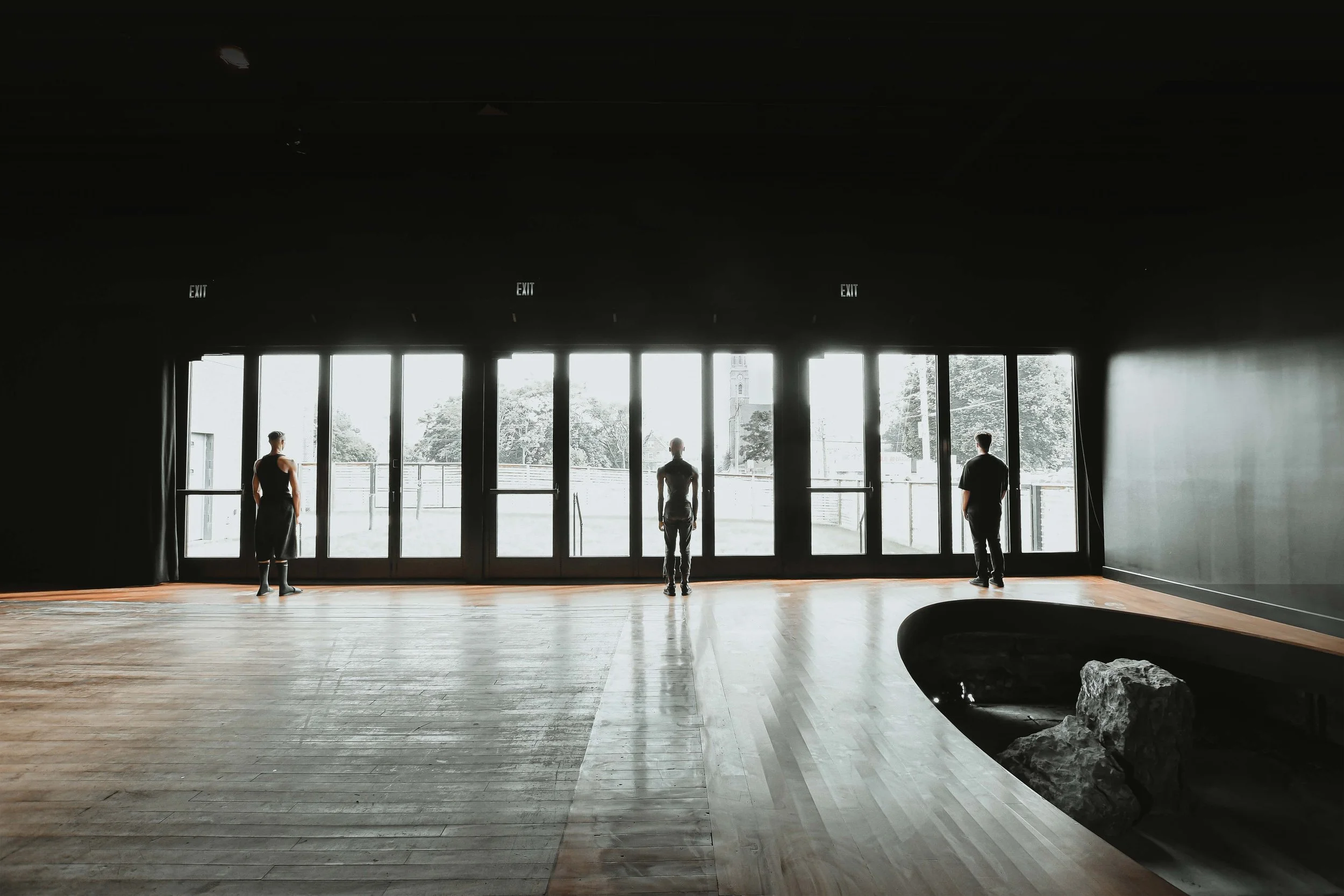
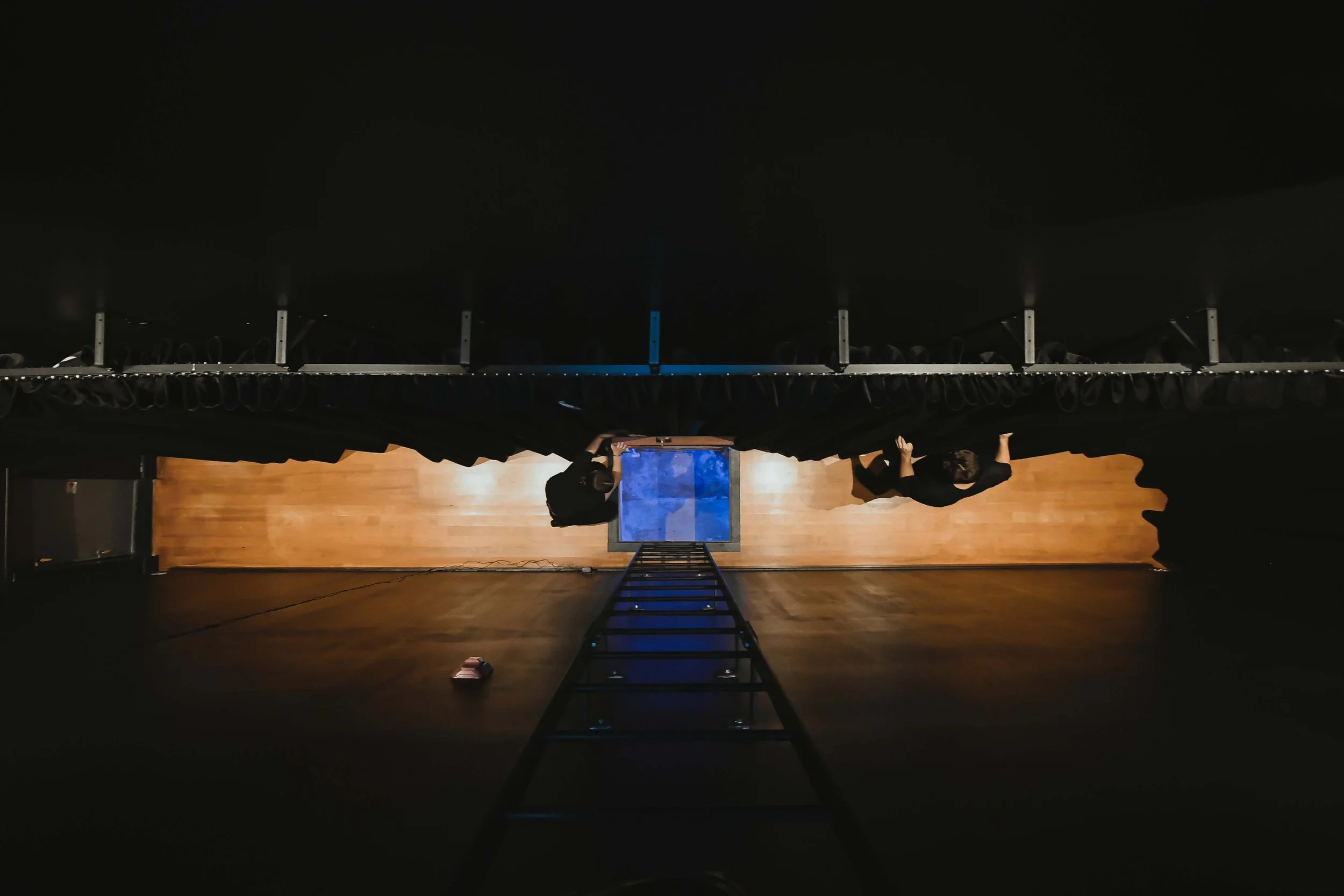
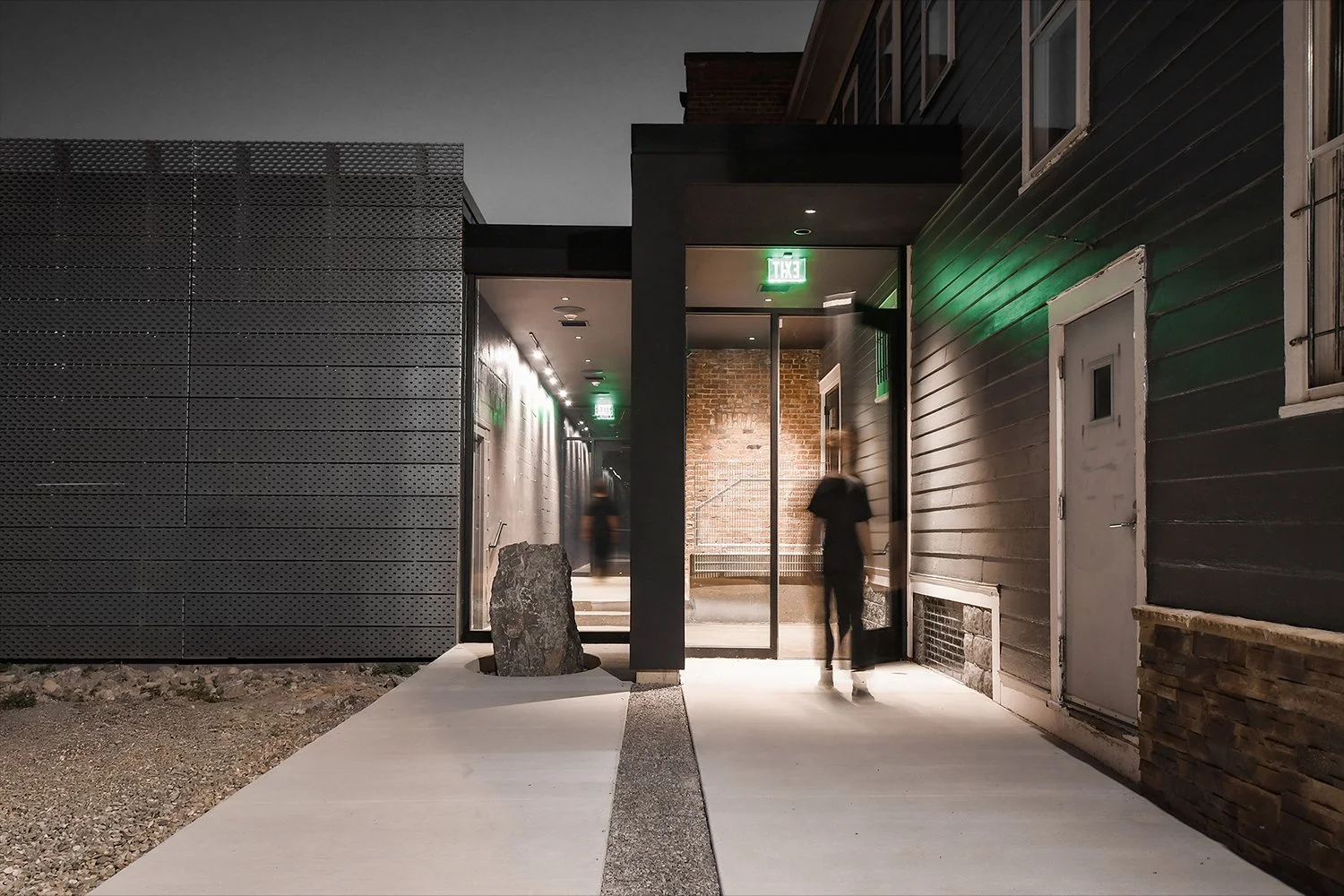
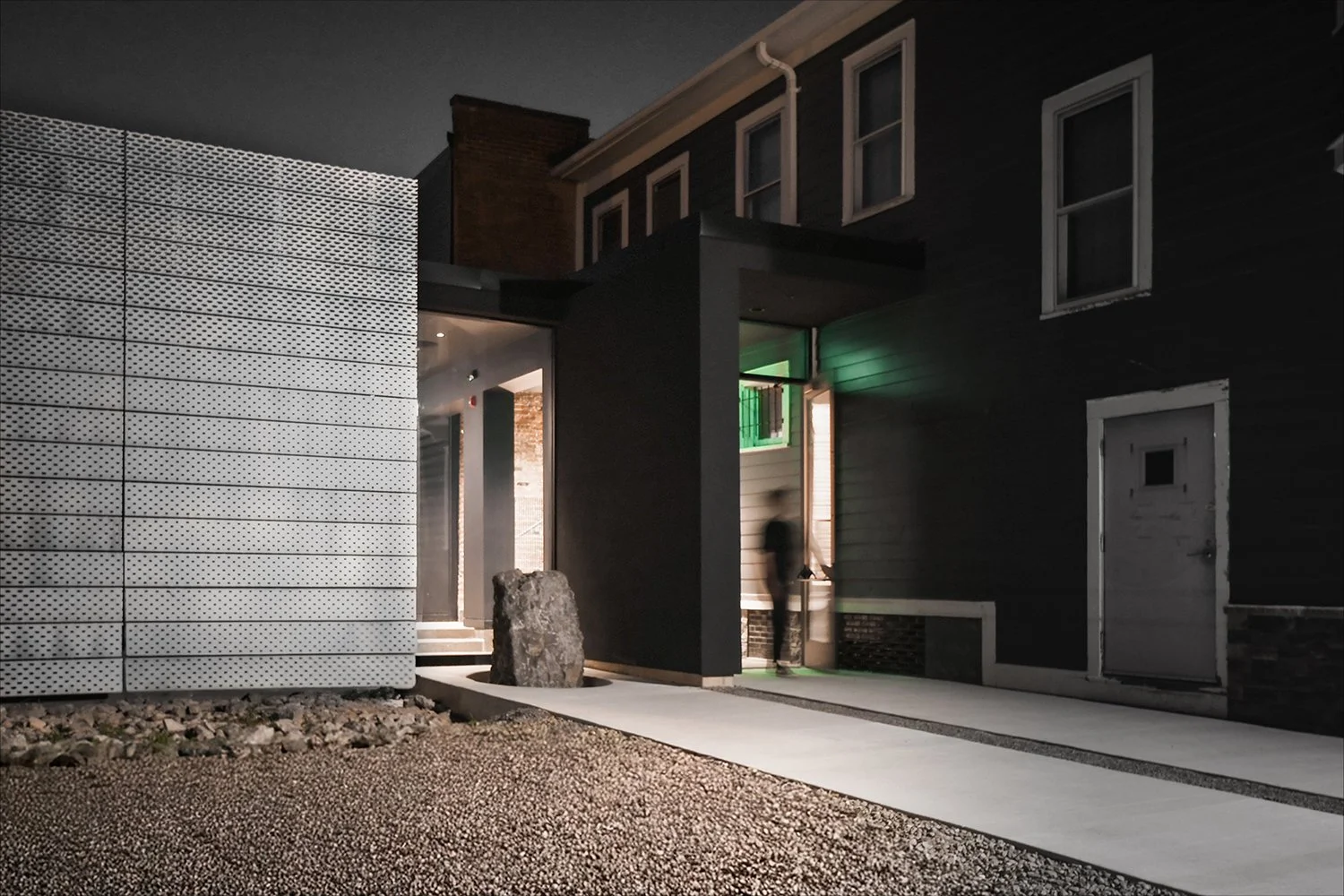
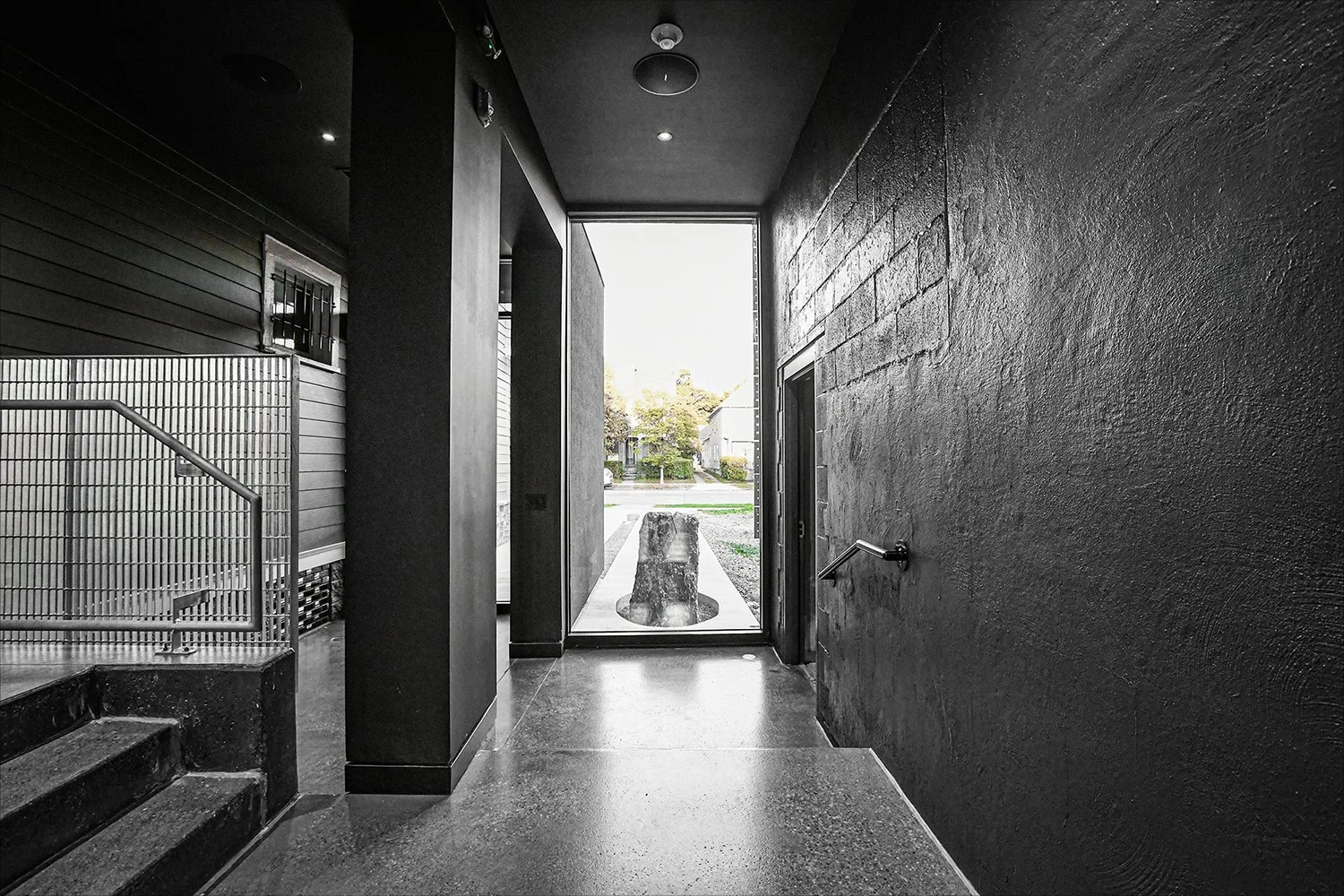
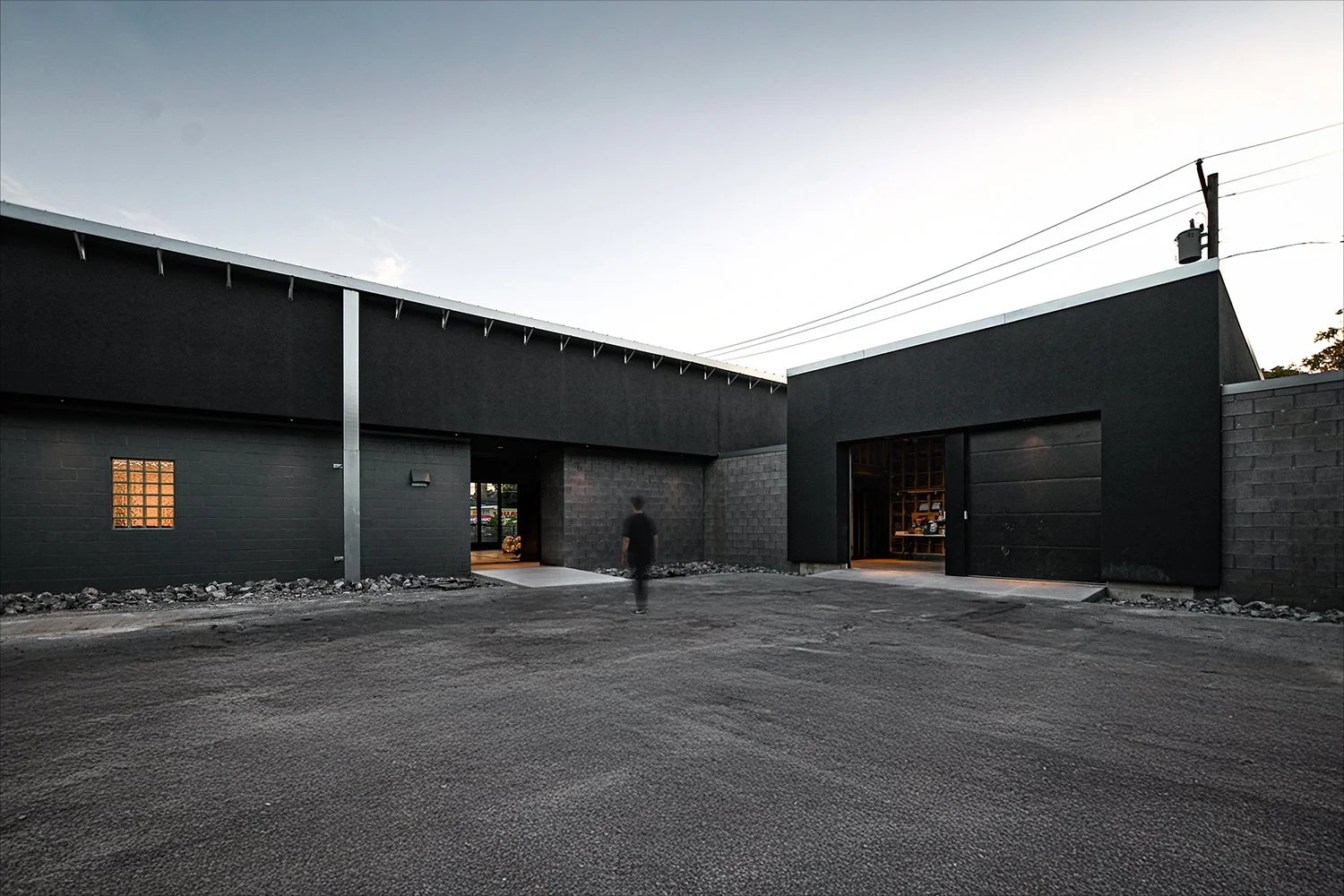
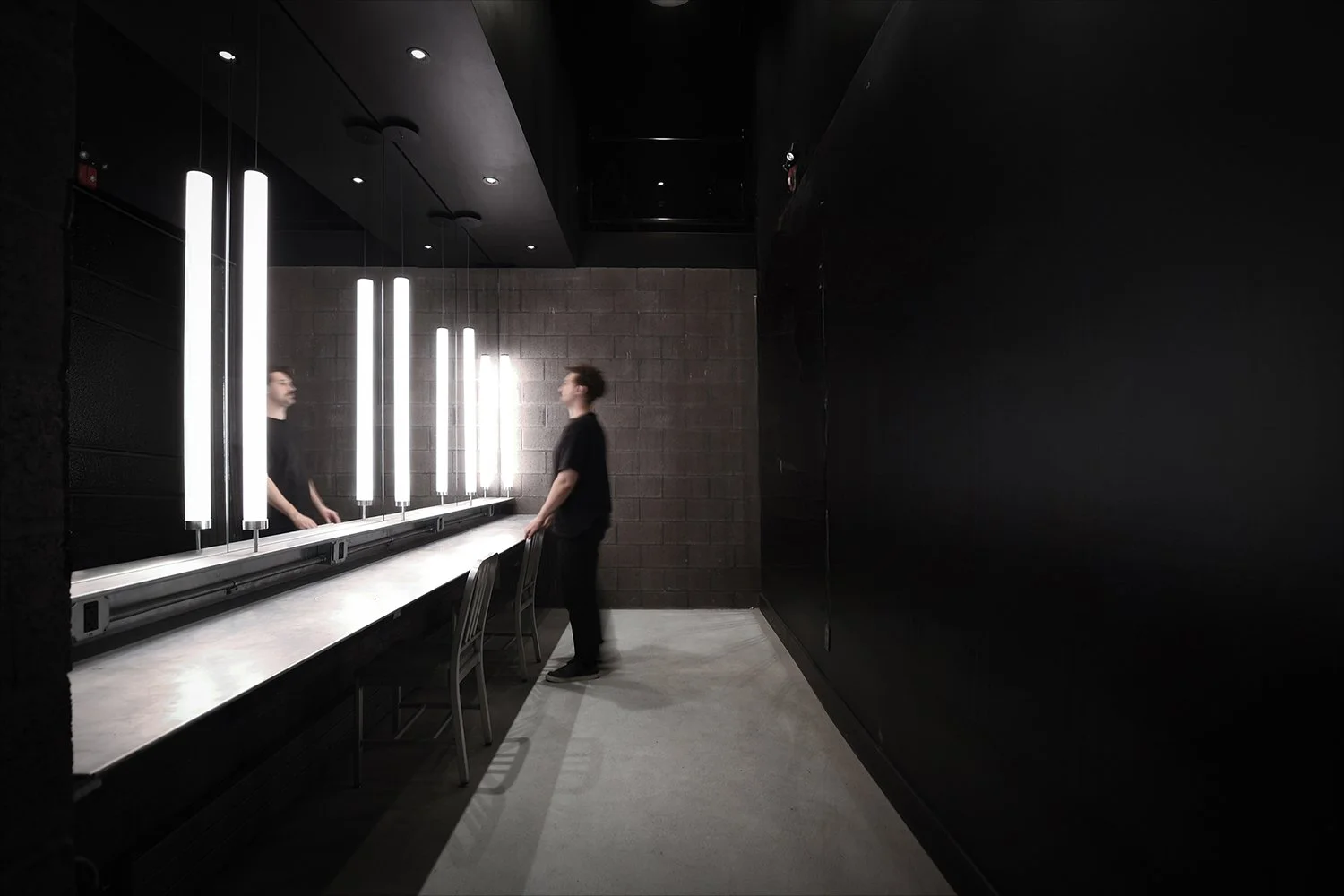
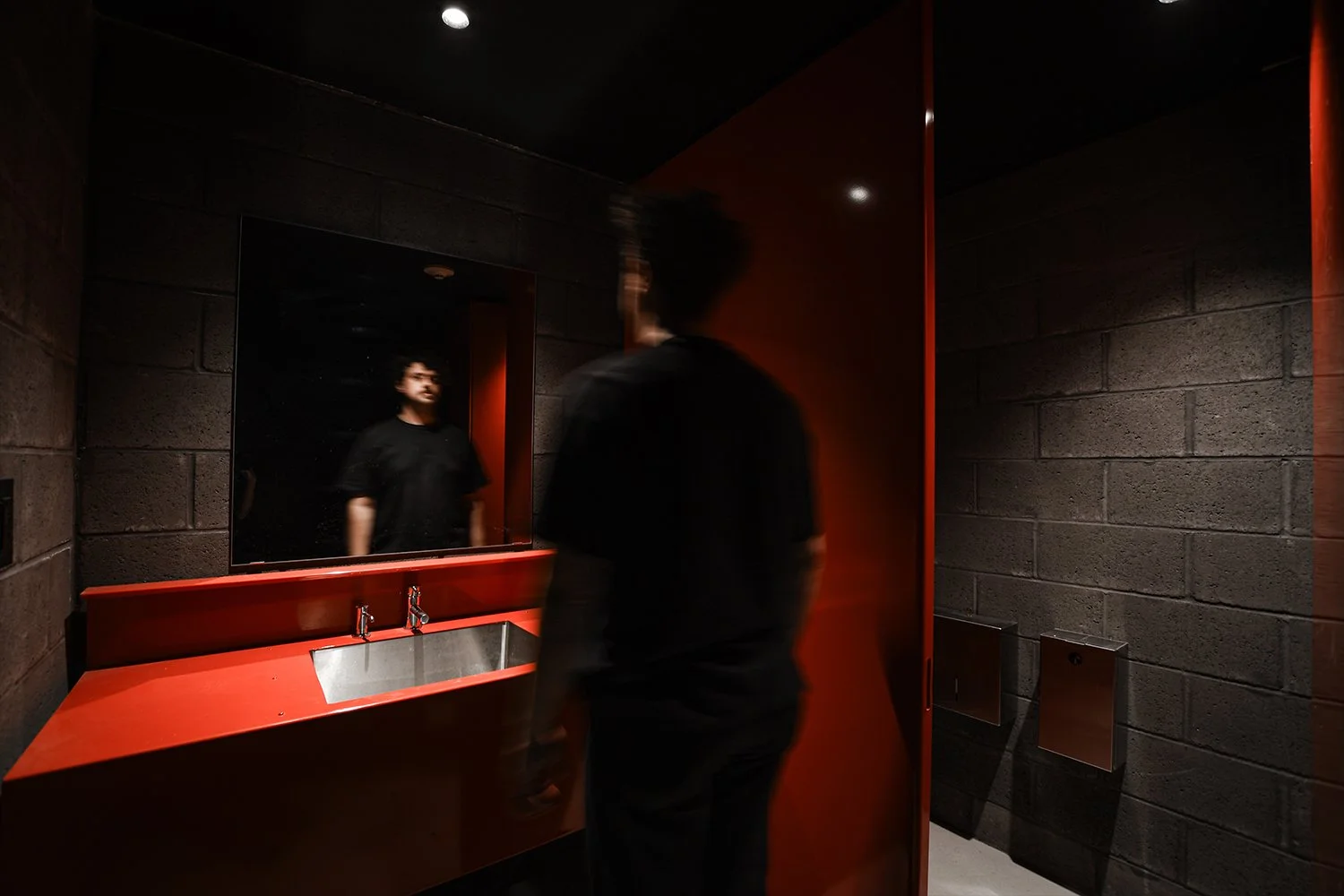
Architecture/Interior Design Photography
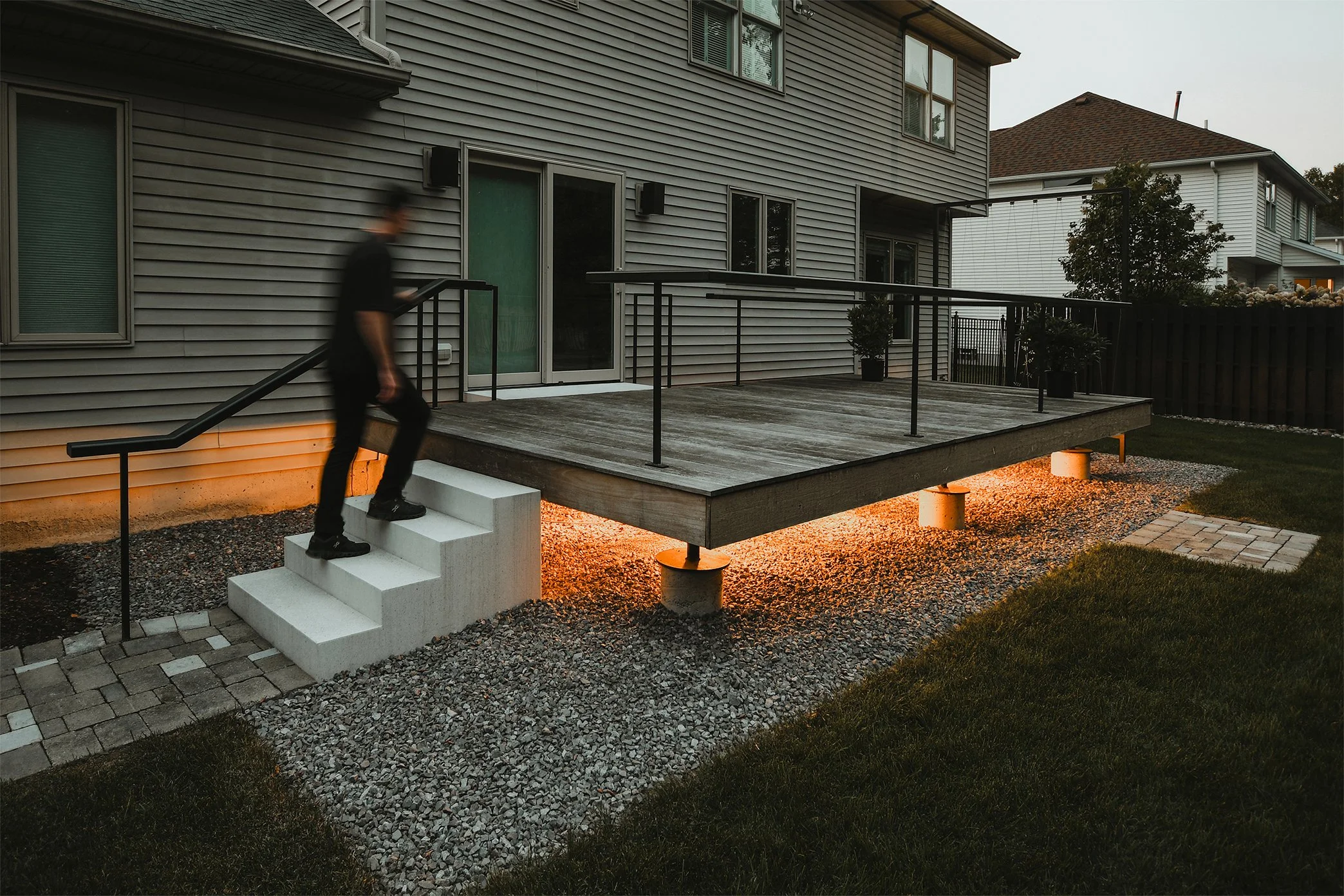
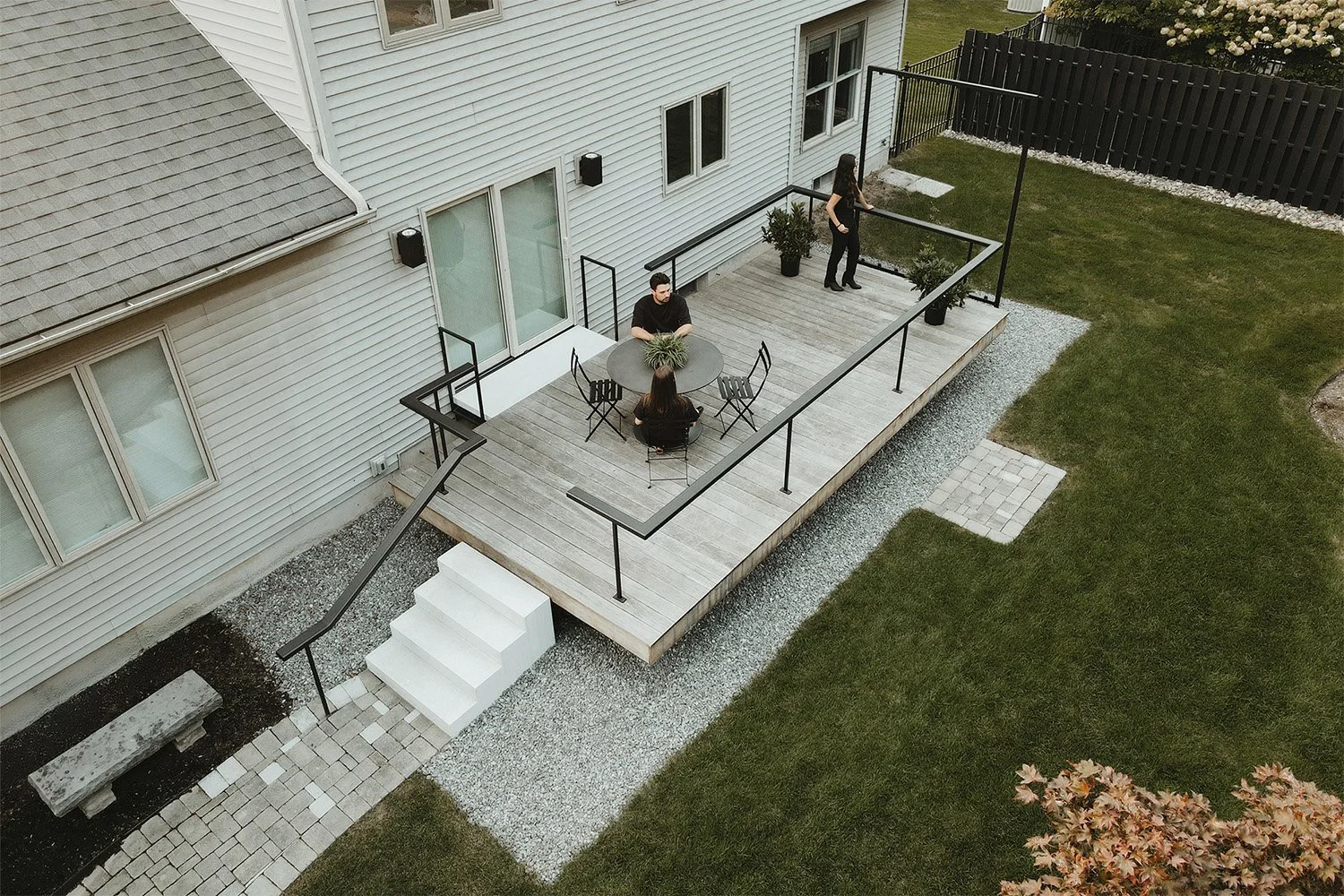
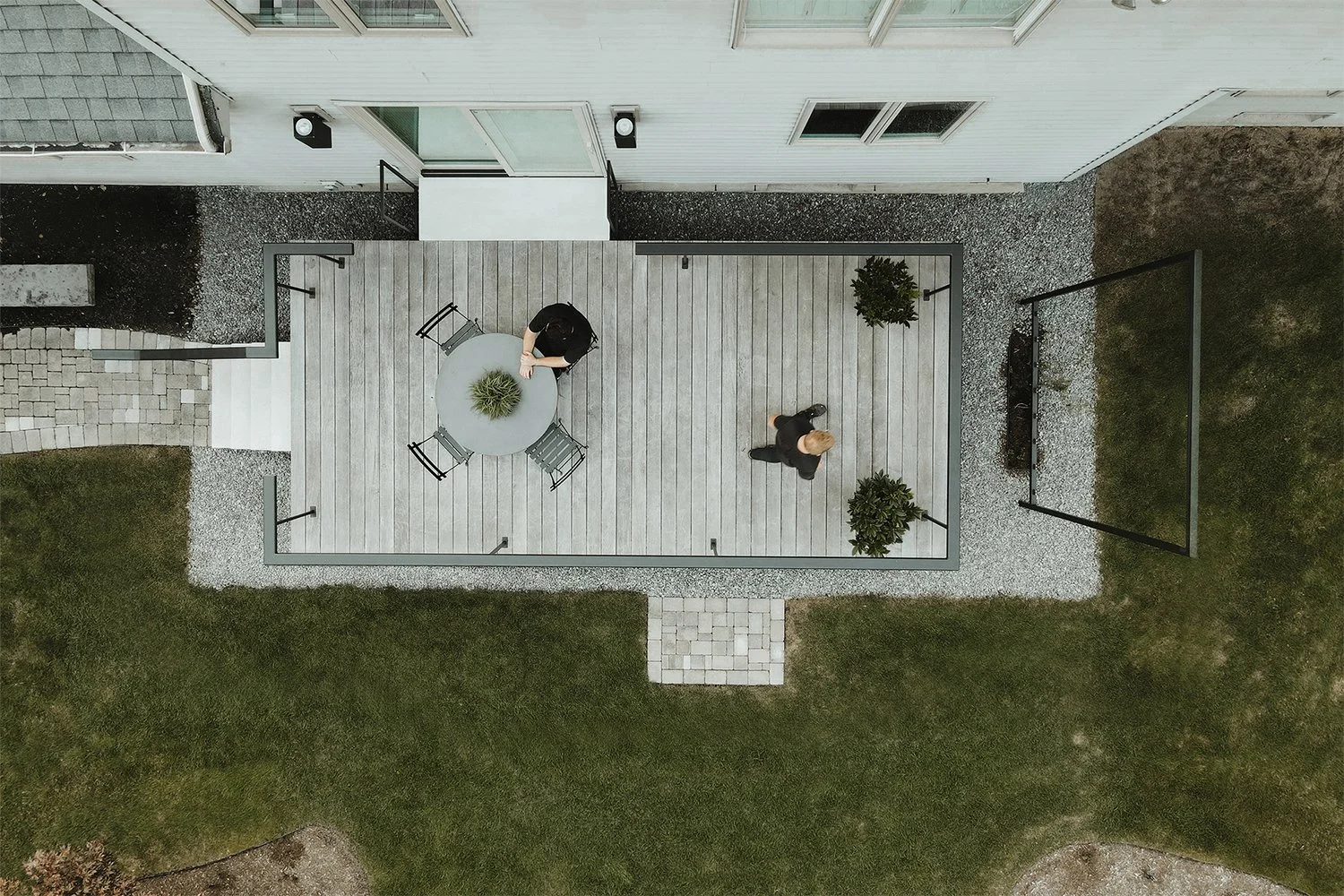
Samples above for Studio NORTH ArchitectureWe provide architecture and interior design photography that captures spaces as they are experienced—through light, material, scale, and movement. Our approach goes beyond documentation, focusing on how architecture is inhabited, how details perform, and how environments shape human experience.
Working closely with architects, designers, artists, and developers, we create images that communicate design intent and spatial clarity. Each shoot is carefully composed to highlight material textures, craftsmanship, circulation, and the relationship between interior and exterior conditions.
Our photography services include:
Architectural photography for completed buildings and installations
Interior photography emphasizing light, materiality, spatial flow, and design-oriented narratives
Detail and material studies highlighting construction, finishes, and custom elements
Contextual and occupancy shots to convey scale, use, and atmosphere
Editorial and portfolio imagery for websites, publications, grants, and marketing
We treat photography as an extension of the design process—using composition, timing, and natural light to tell clear visual stories. The result is a refined set of images that are honest, expressive, and tailored to how your work will be shared, published, and remembered.