Student: Julia Wade
Abstract
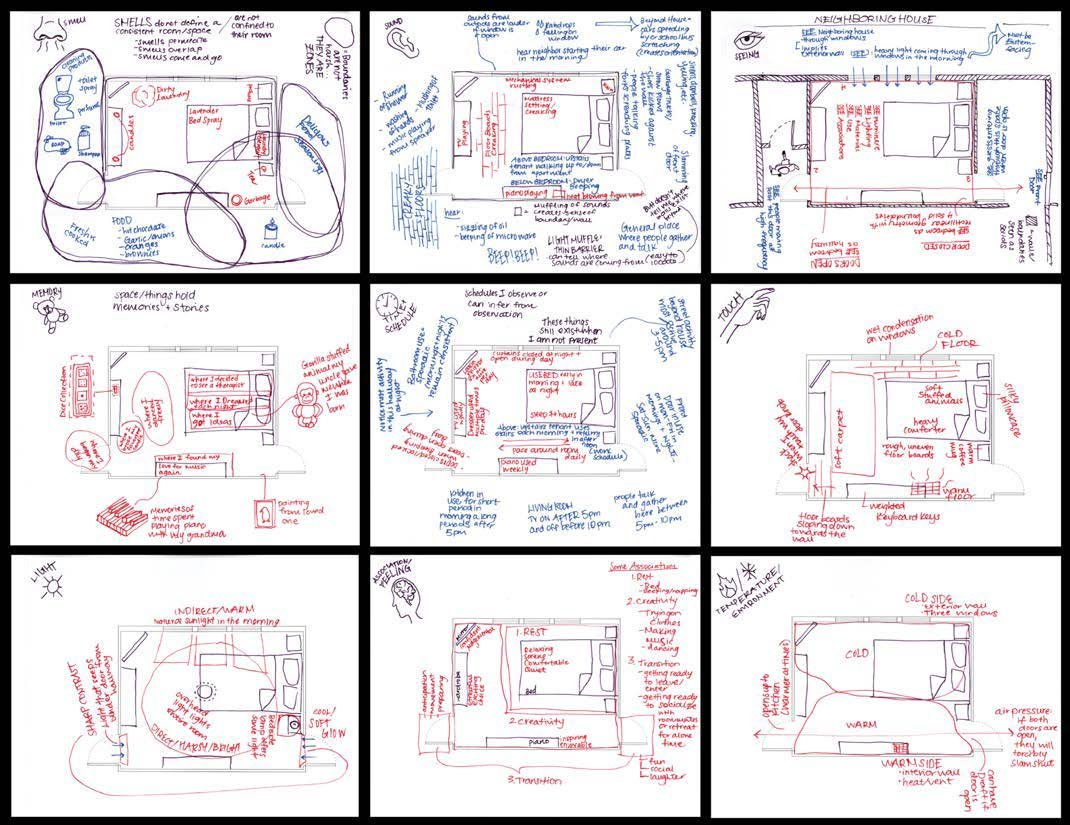
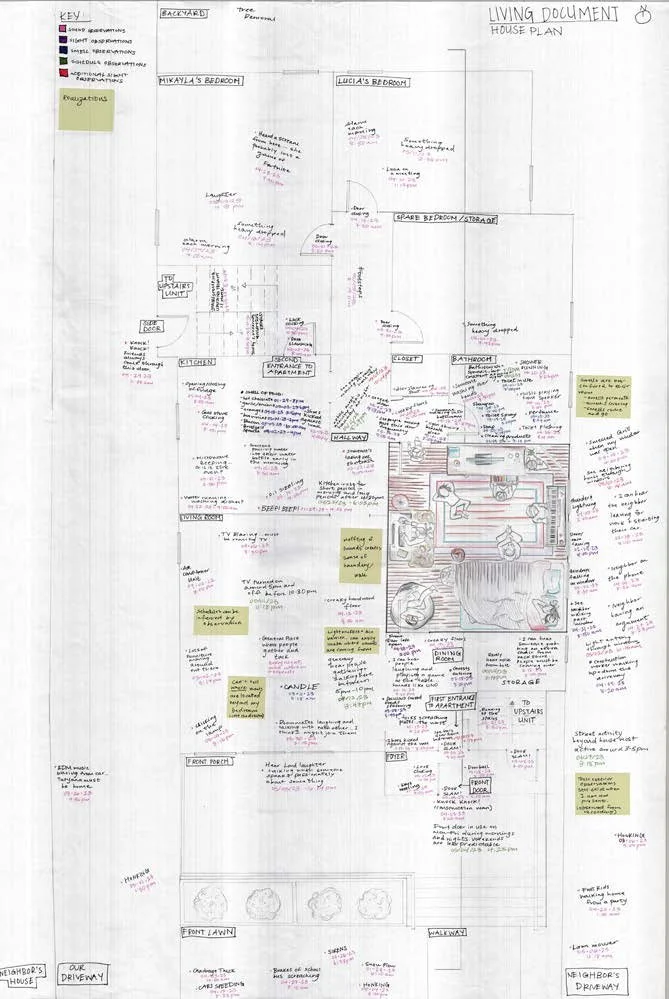
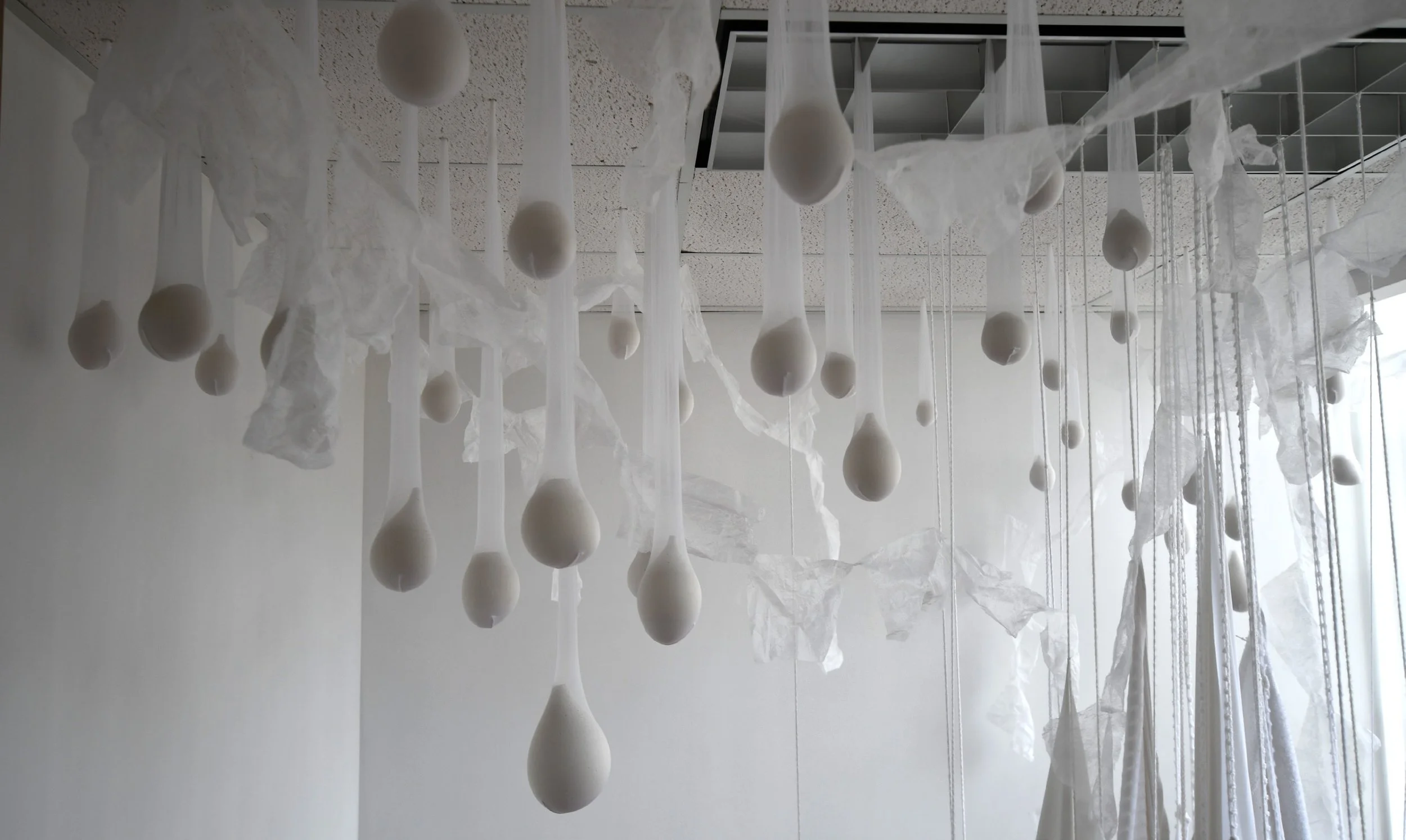
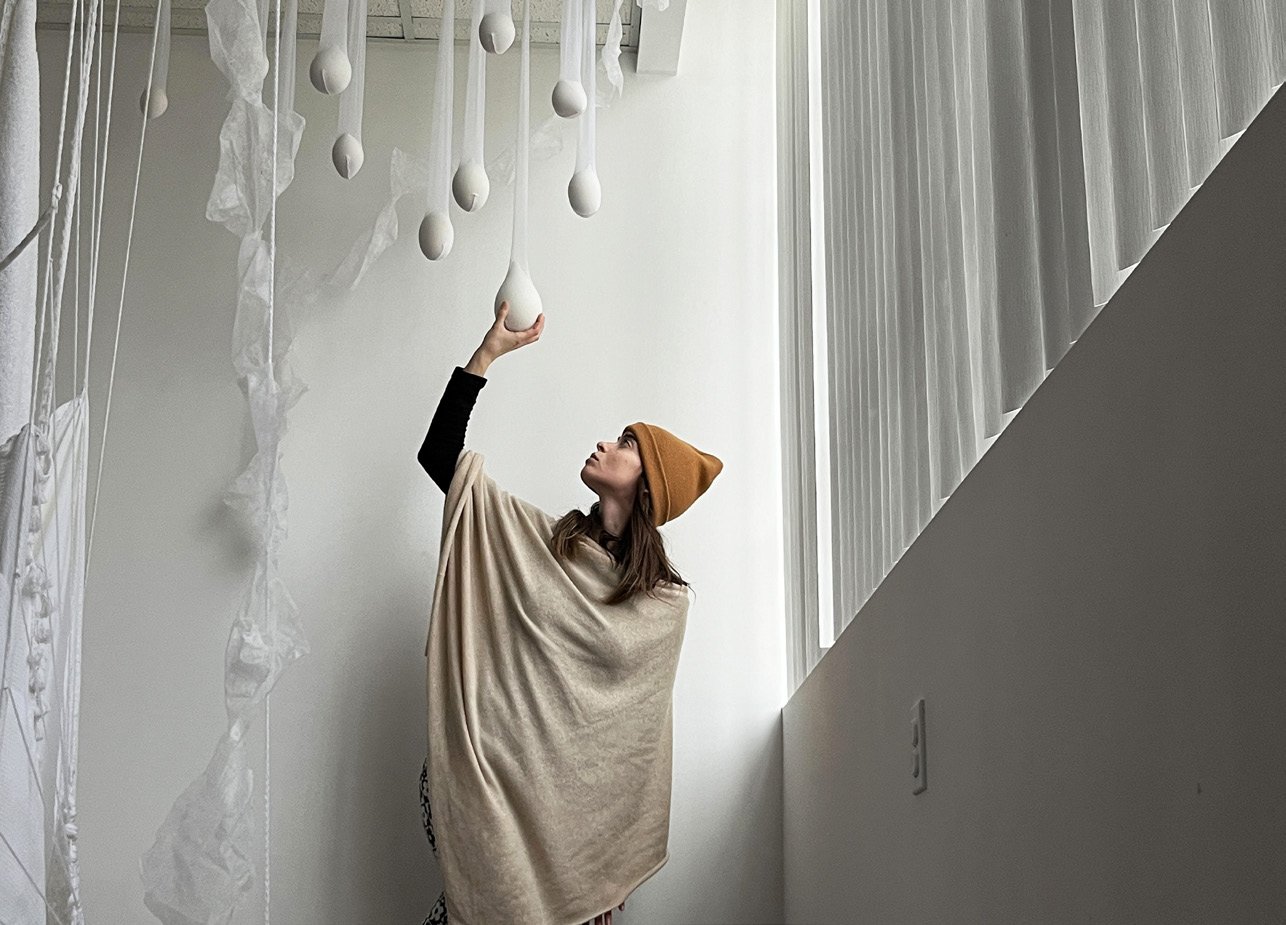
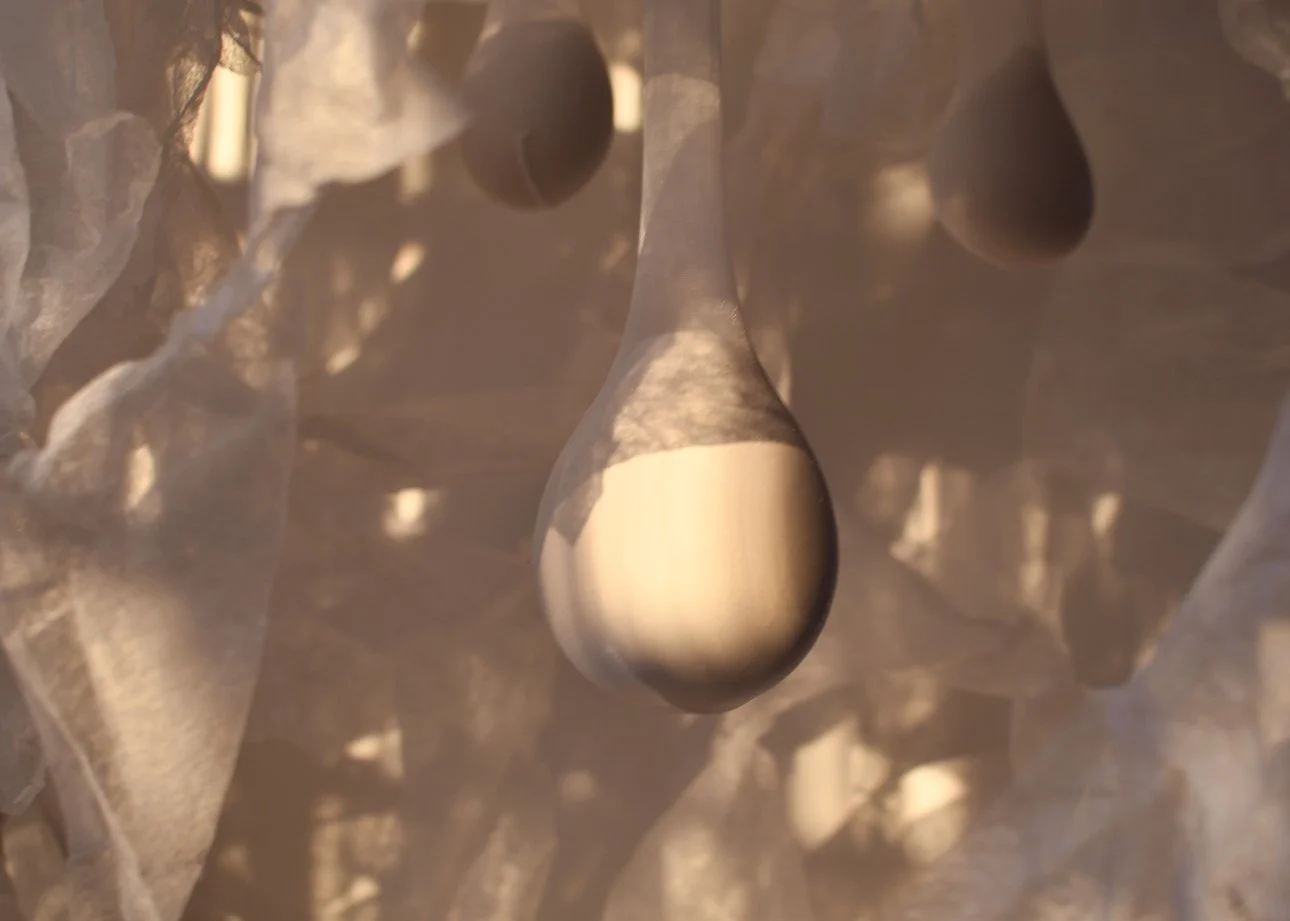
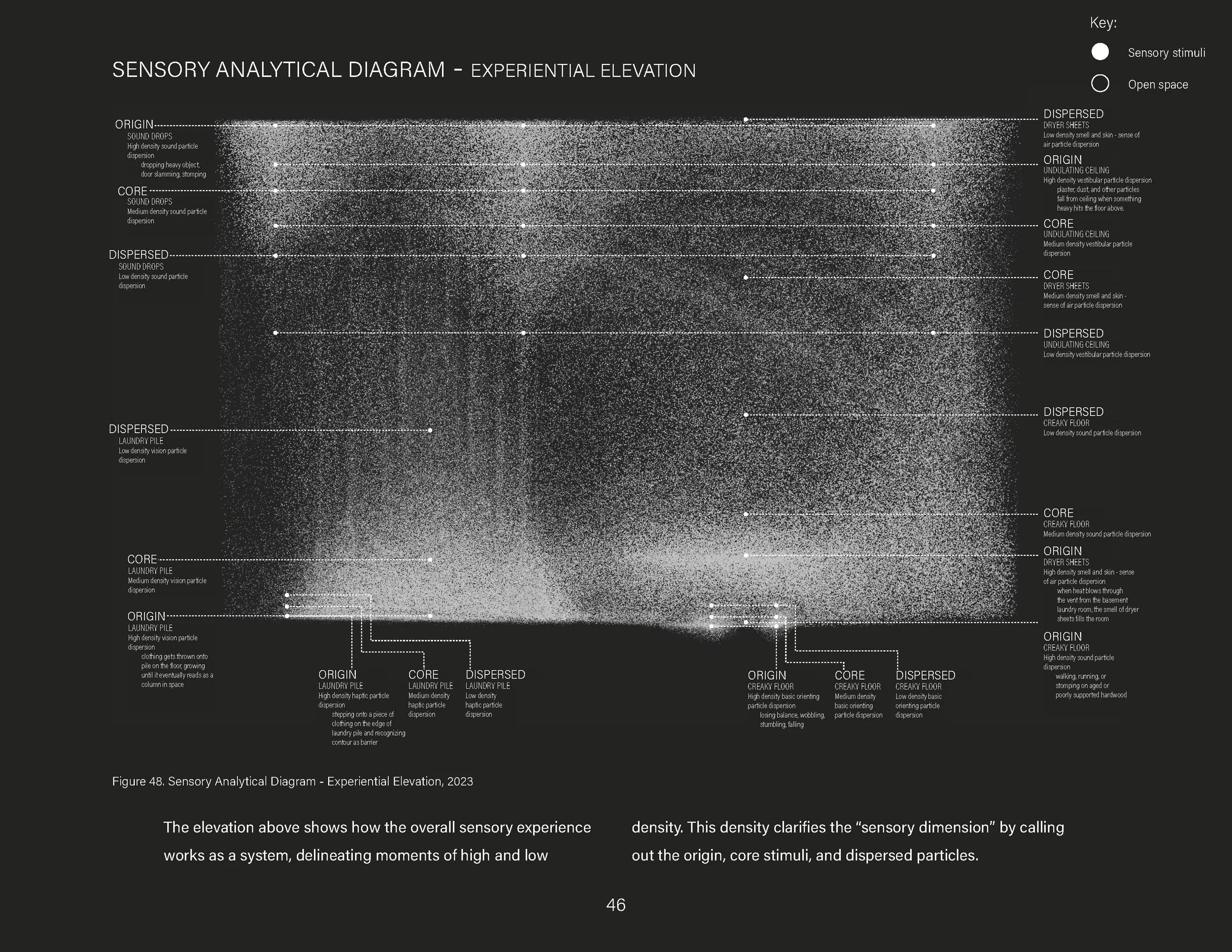
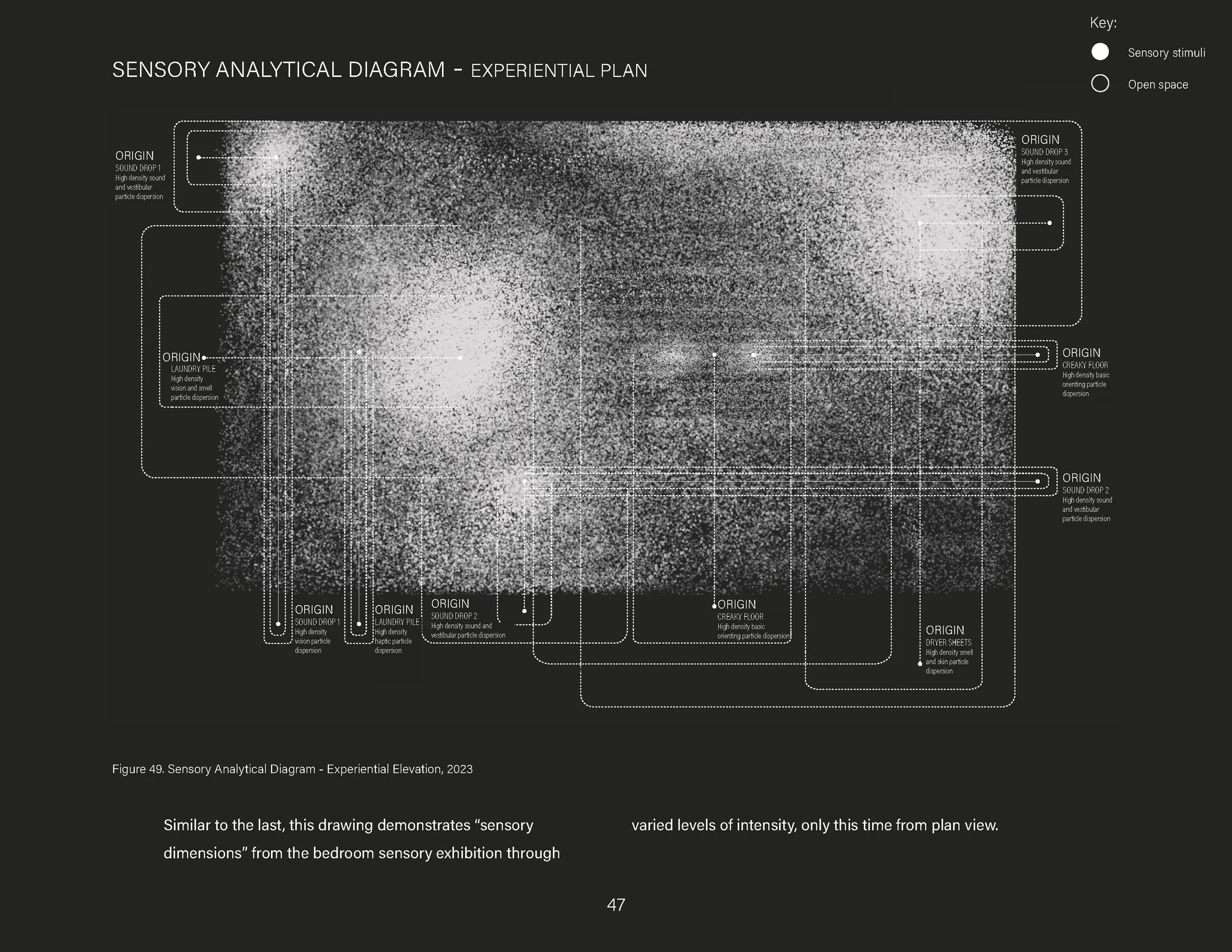
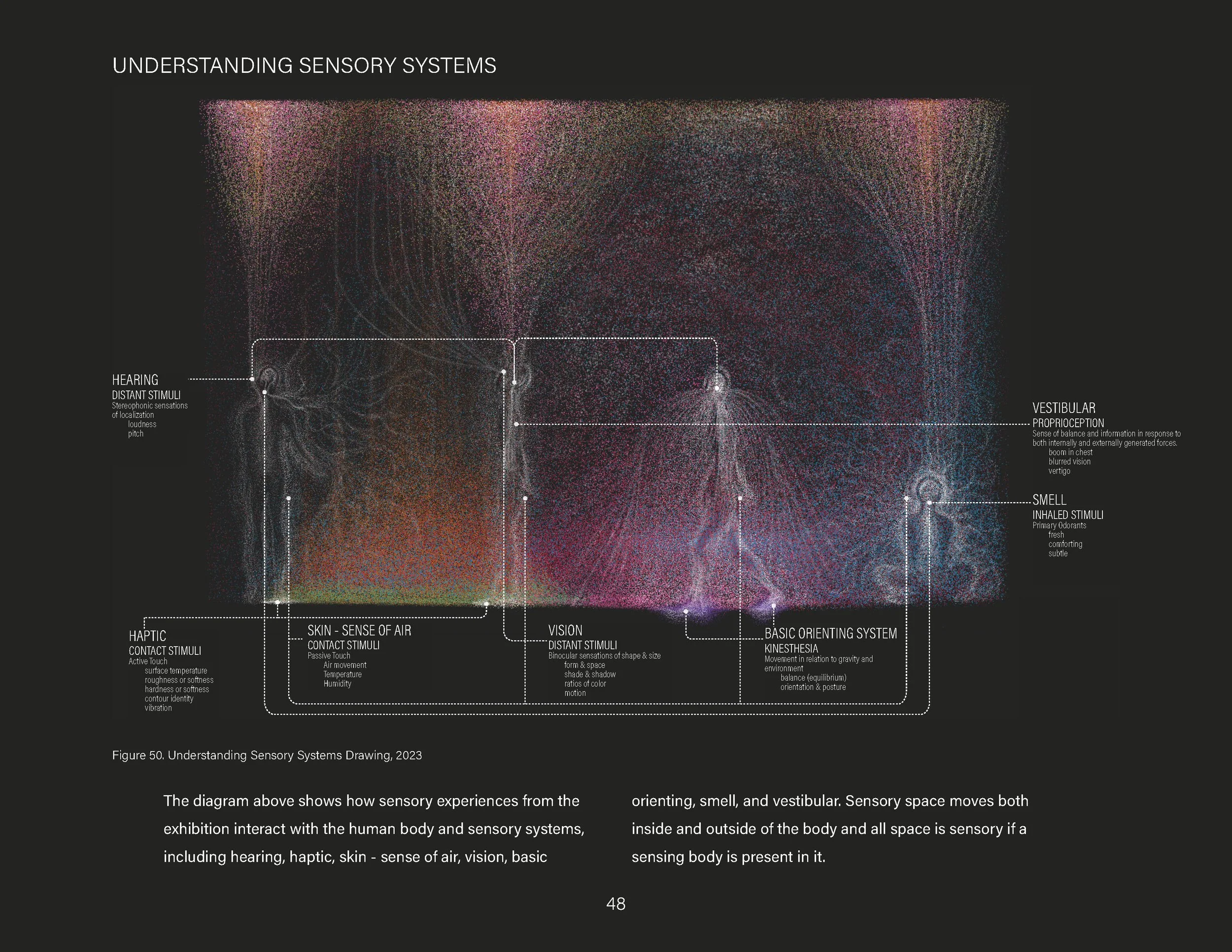
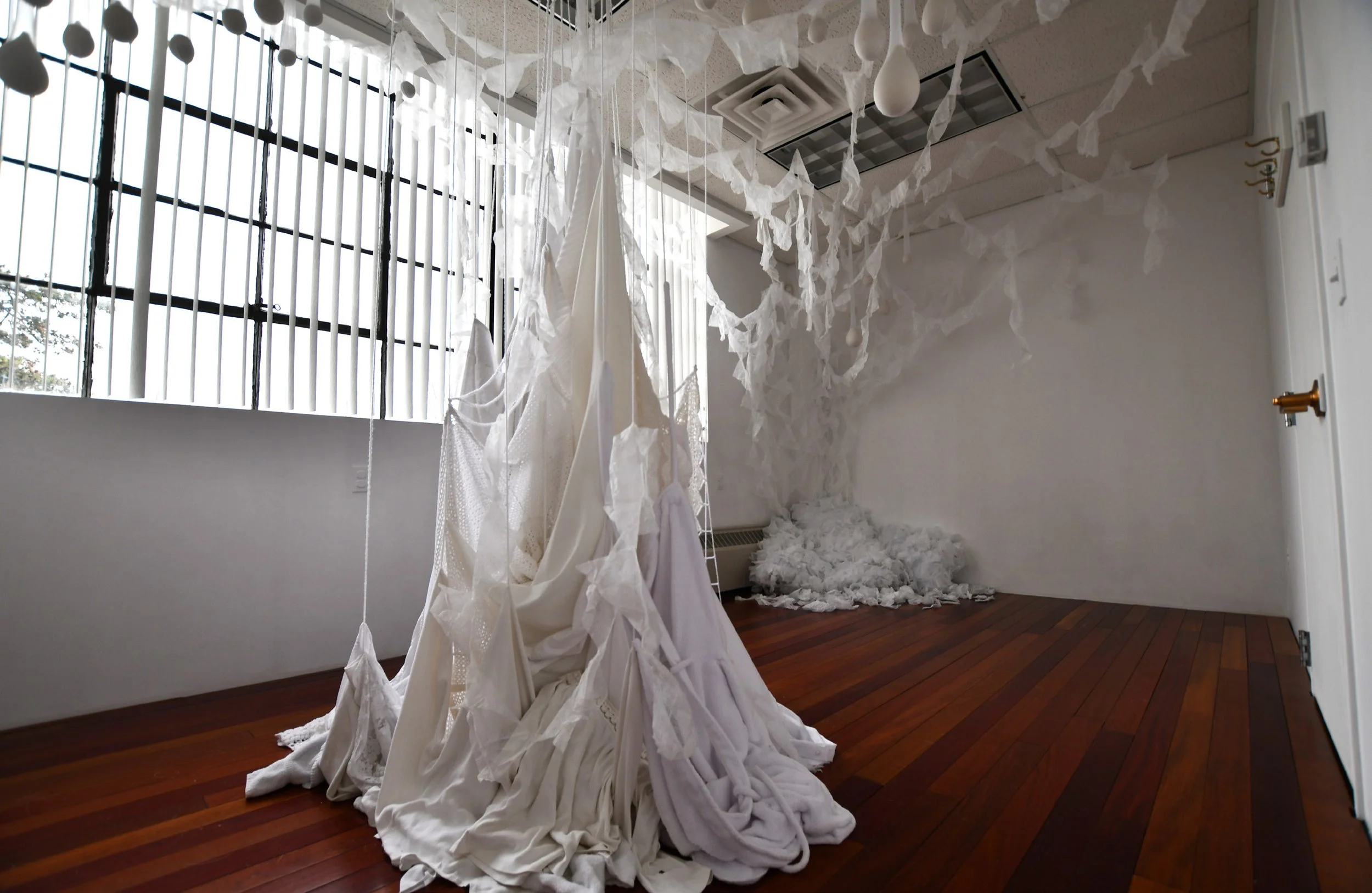
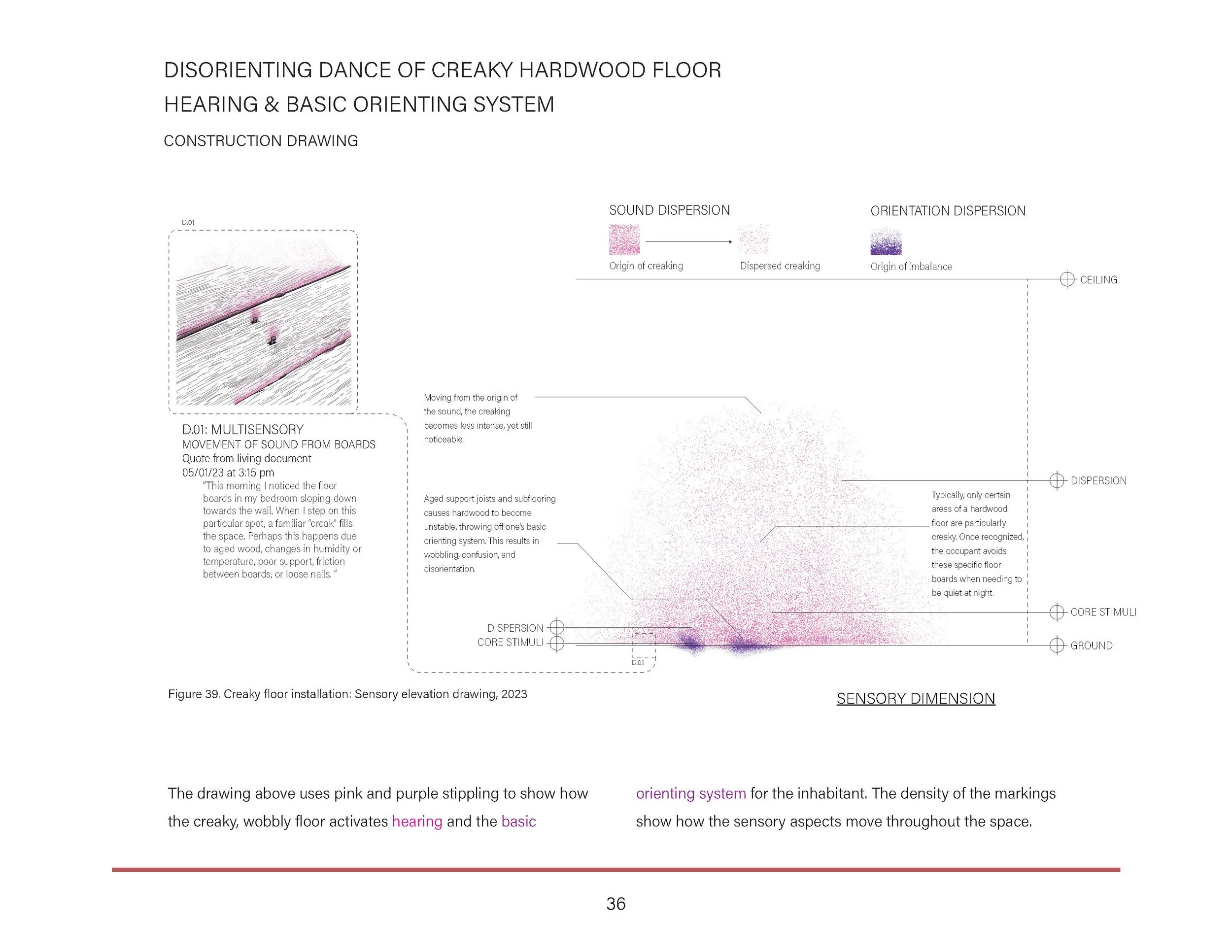
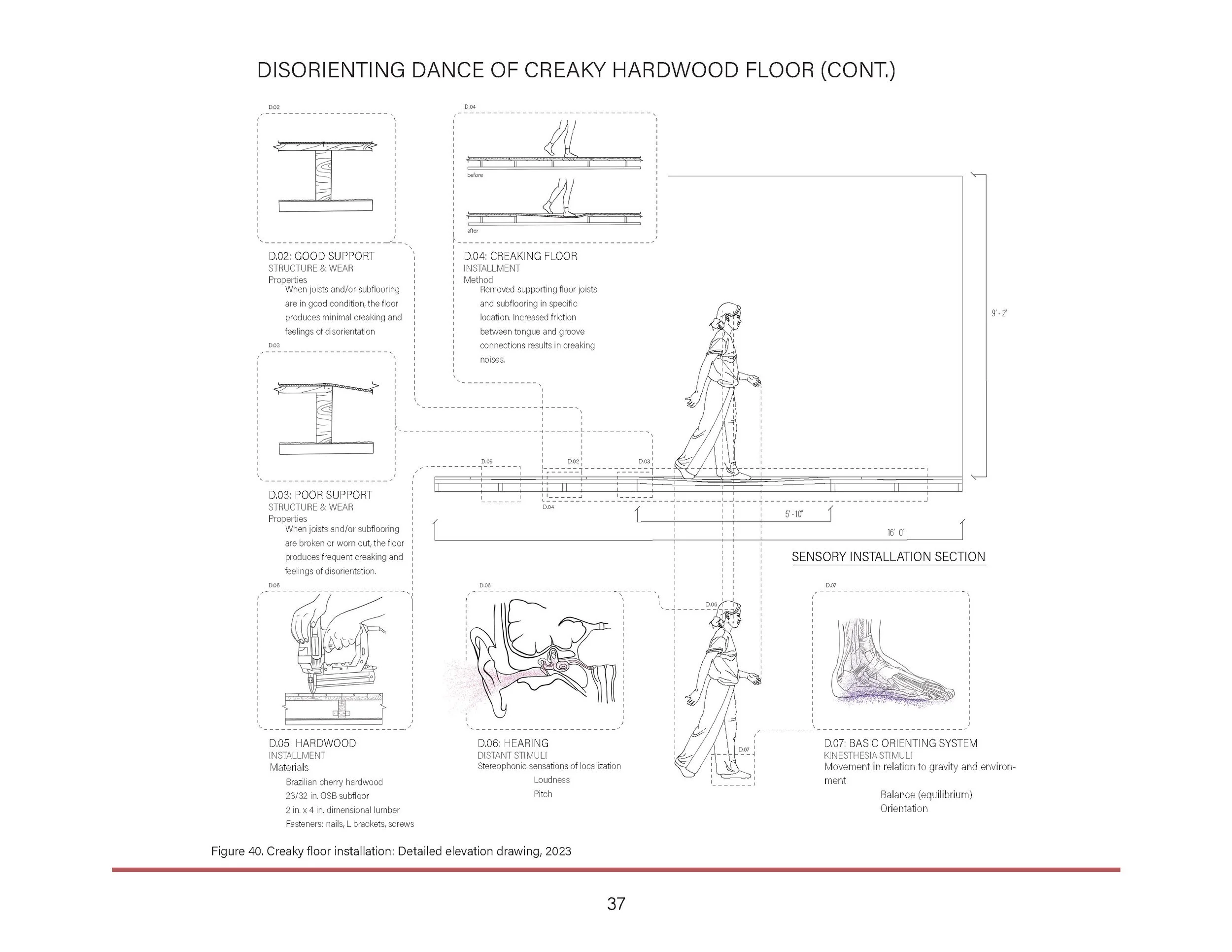
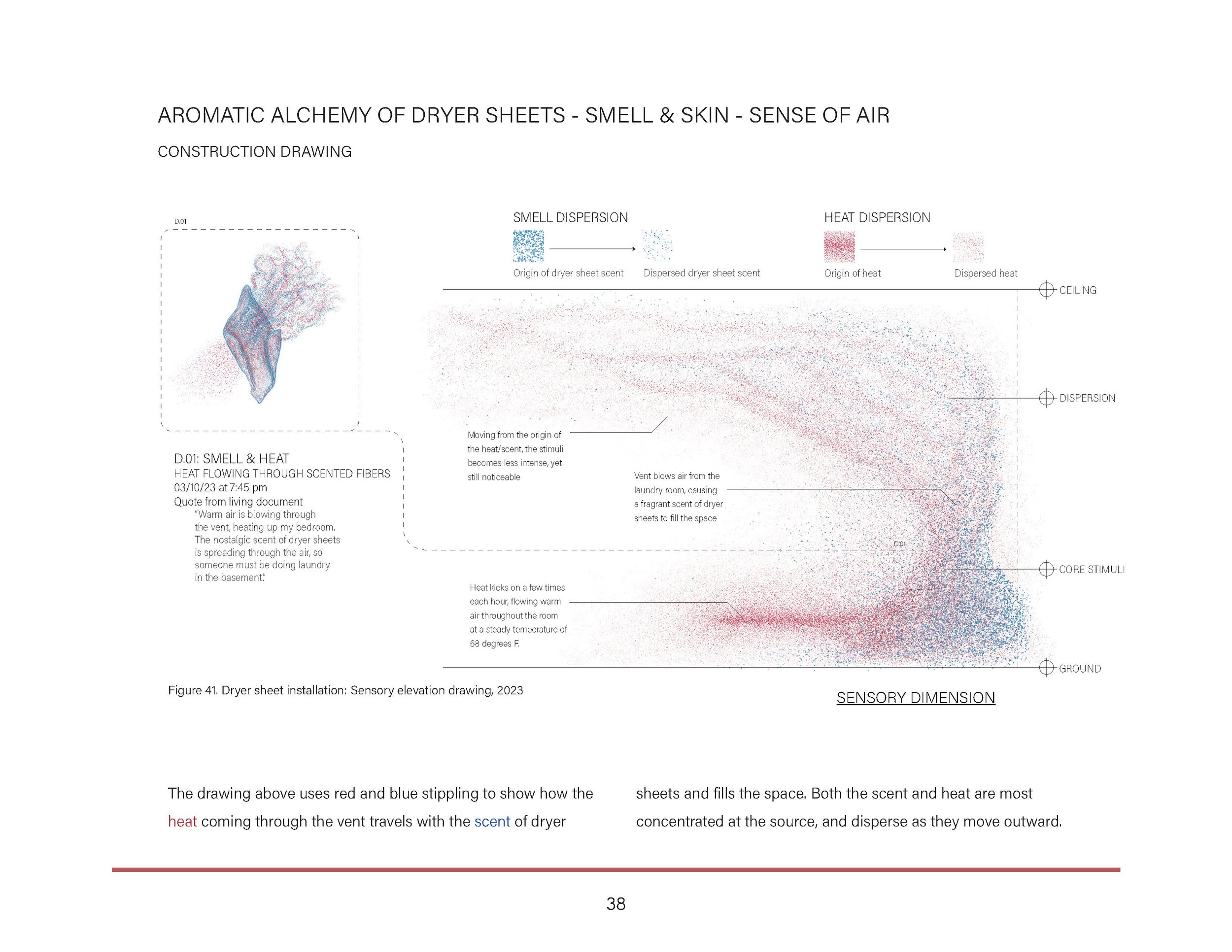
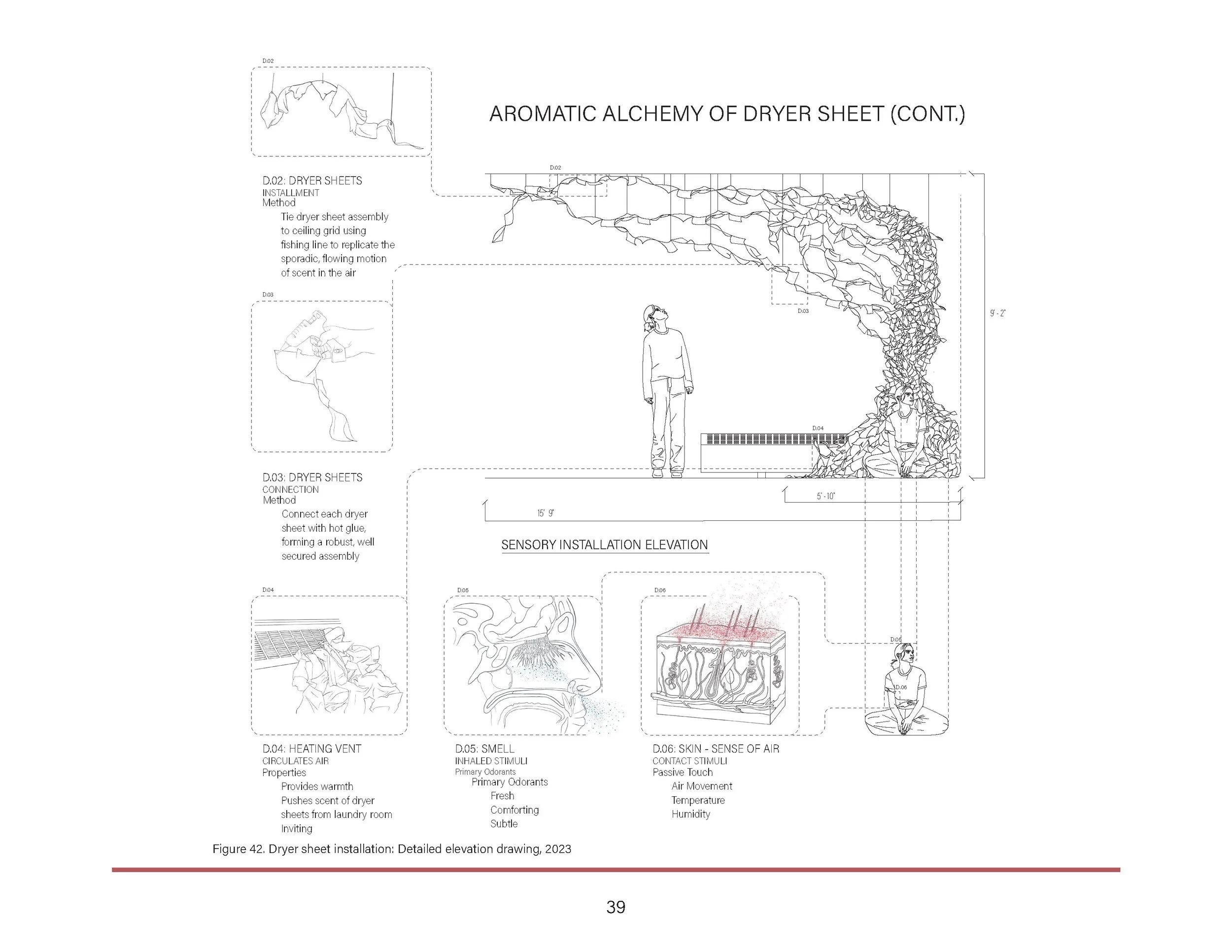
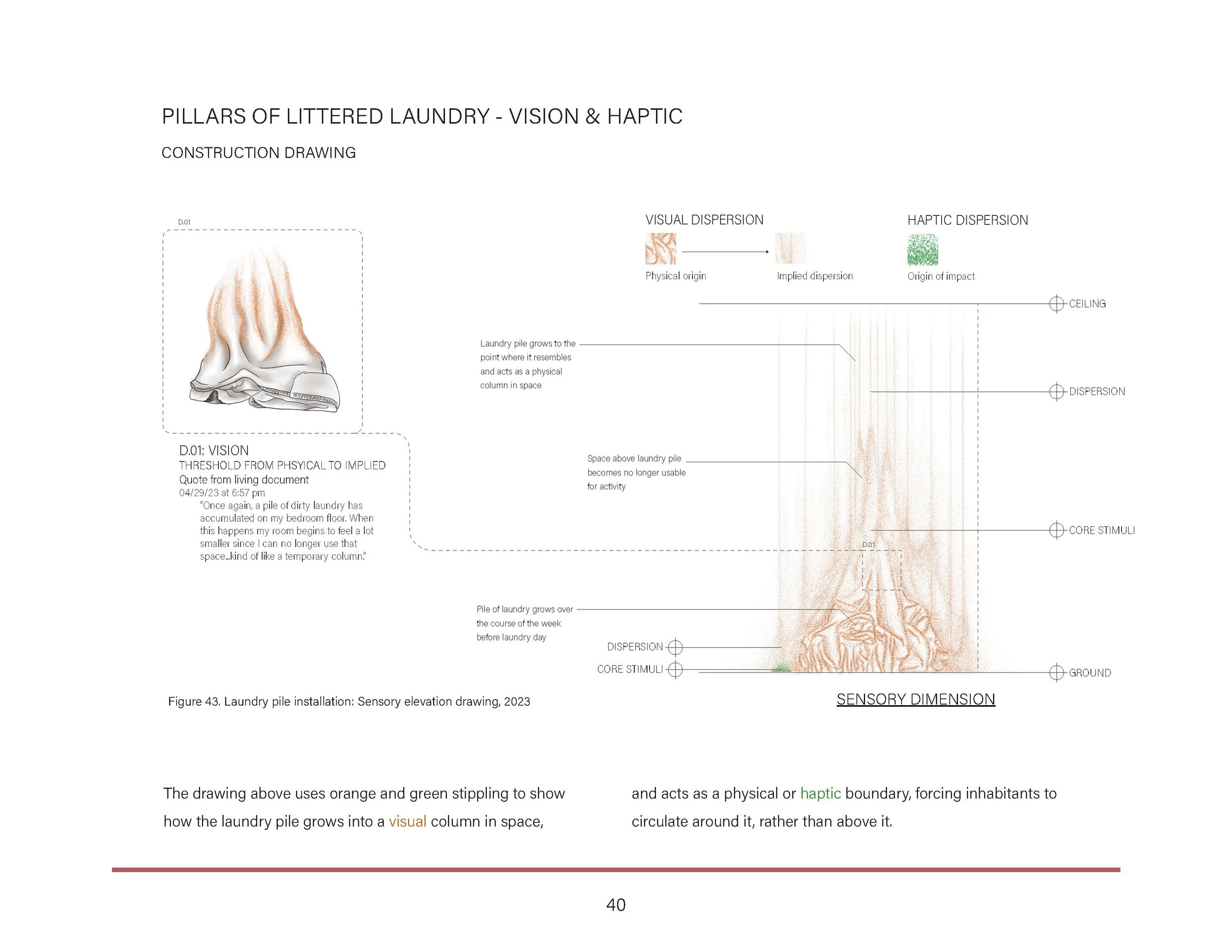
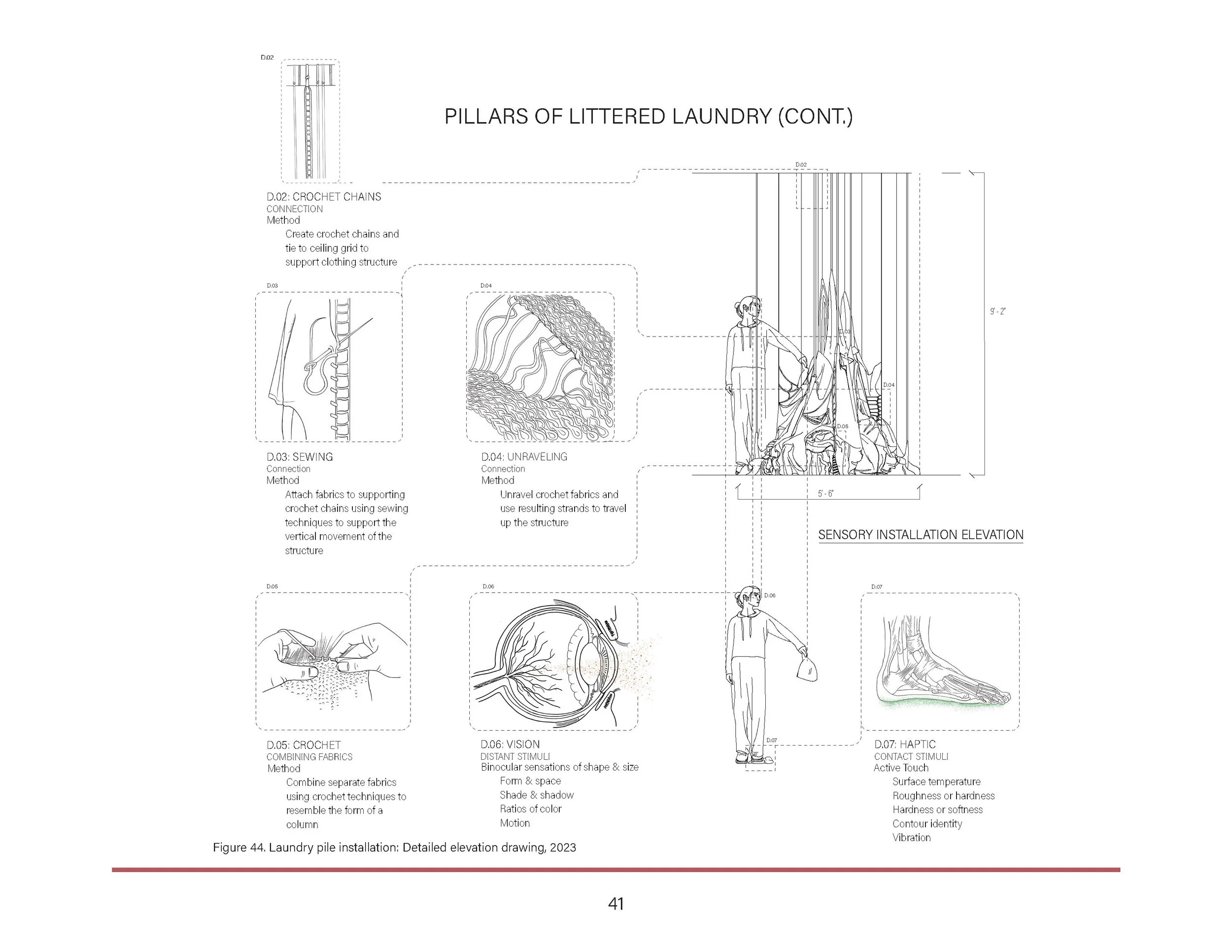
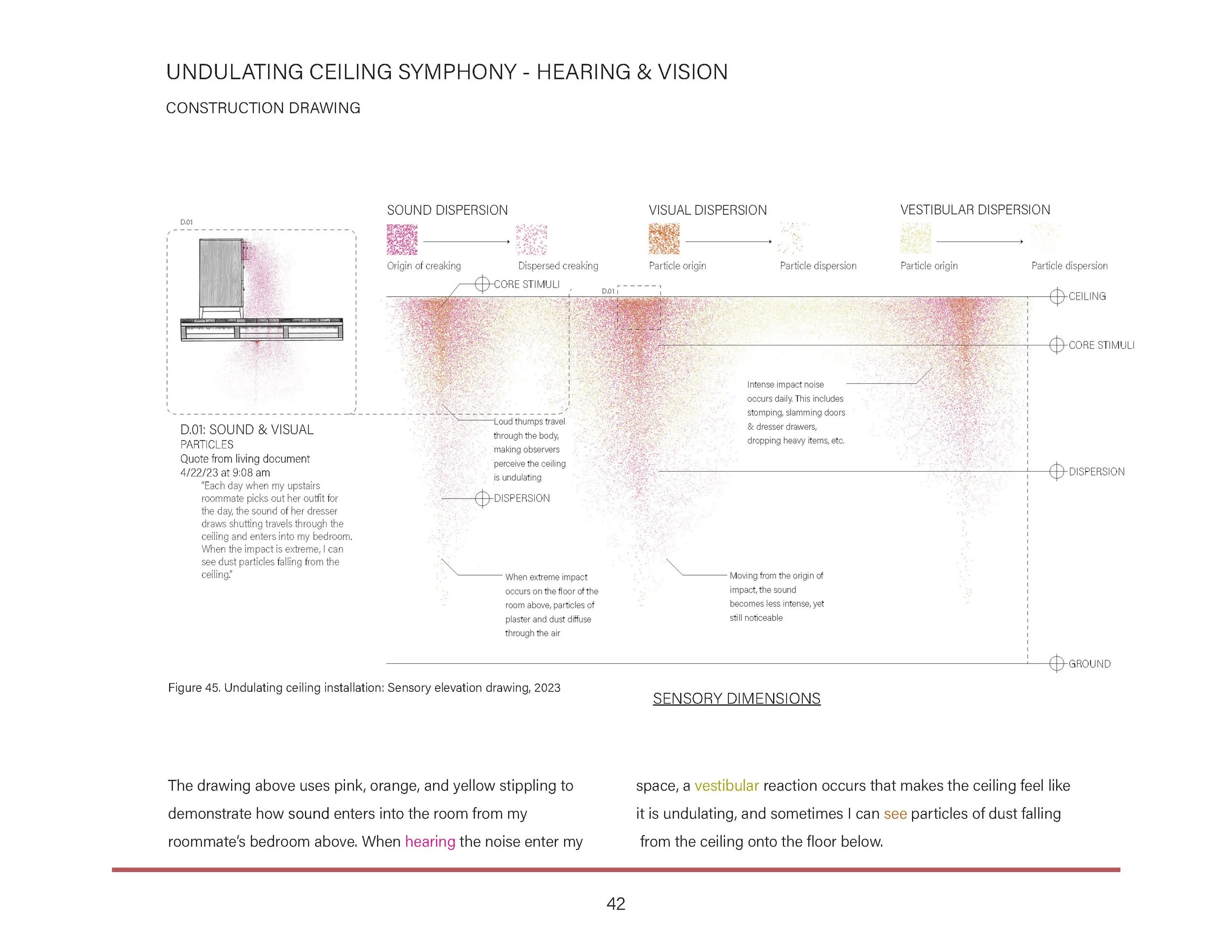
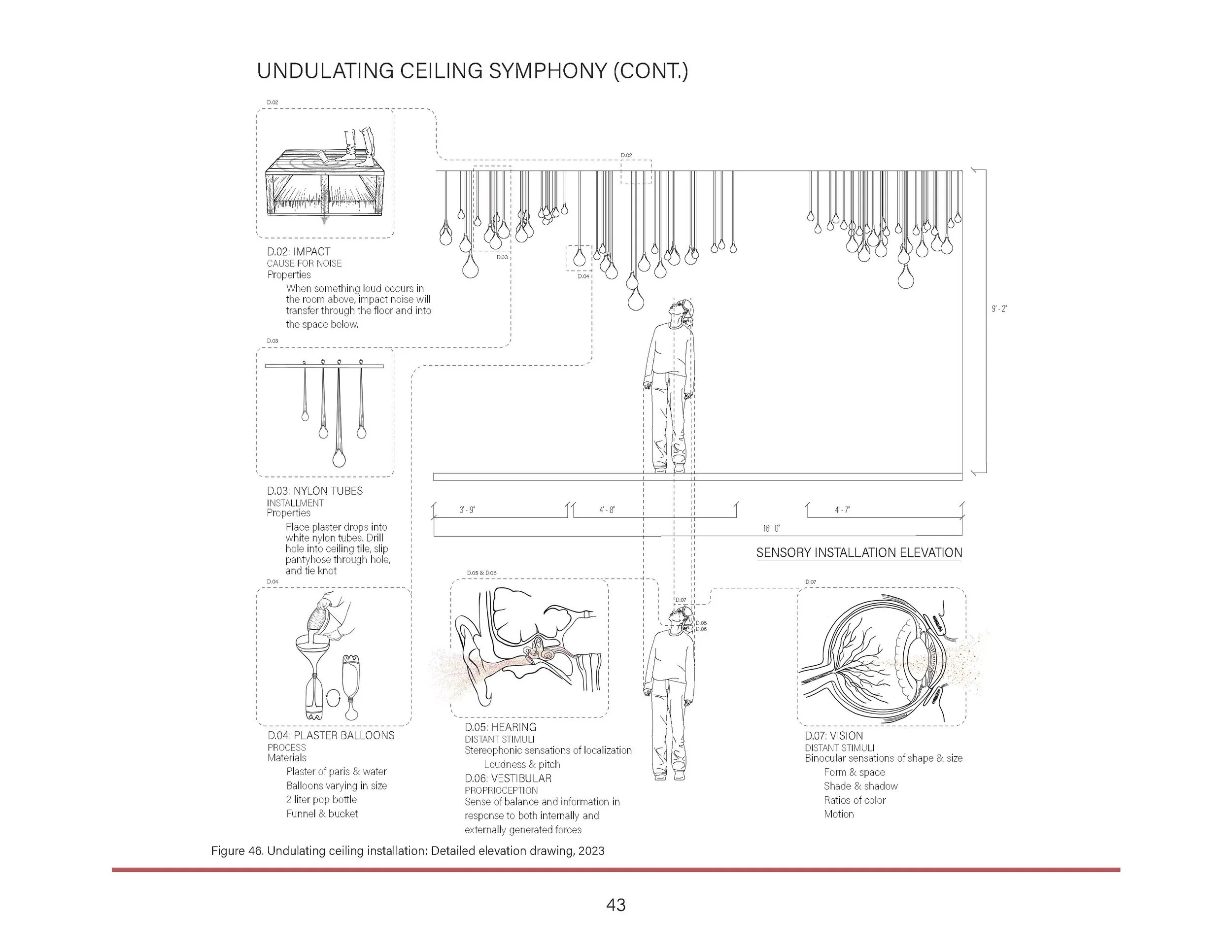
A multisensory approach to reading inhabited spaces deepens our understanding of space as a fluid and interconnected system that includes material, non-material, and bodily experiences. By considering space as a multisensory system with weaving parts, this thesis explores how material components become activated by the body, creating a sensory output. When received by the body, that output affects how we move through and inhabit space. In essence, sensory elements join space and the body together. This research delves into the intricate relationship between the multisensory system and spatial perception, specifically focusing on how sensory experiences influence and shape our understanding of the physical world around us.